Sacred vs. Commercial Tobacco: The Indigenous Perspective on Smoking Bans
Following the British government’s sweeping new Tobacco and Vapes Bill, Canadian health advocates are pushing for similar “smoke-free generation” laws. However, this legislative momentum has sparked urgent calls from Indigenous leaders, warning lawmakers not to conflate the devastating impacts of commercial cigarettes with the sacred, ceremonial use of traditional tobacco.
The UK’s landmark legislation, which makes it illegal to sell tobacco to anyone born on or after January 1, 2009, has a clear and commendable goal: preventing youth from developing a habit that drains health systems and causes immense suffering. Commercial cigarettes kill, and nicotine addiction traps individuals in destructive cycles.
As this public health debate transitions to Canada, a deeper, historical question is emerging among Indigenous populations: what happens when the state can no longer differentiate between a commercial product and a sacred medicine?
For Indigenous peoples, tobacco was not born in a package behind a convenience store counter, covered in taxes and warning labels. It is a medicine, an offering, and a relationship. Reclaiming tobacco is fundamentally tied to reclaiming Indigenous identity in a country that has historically attempted to regulate, criminalize, and suppress traditional spiritual practices.
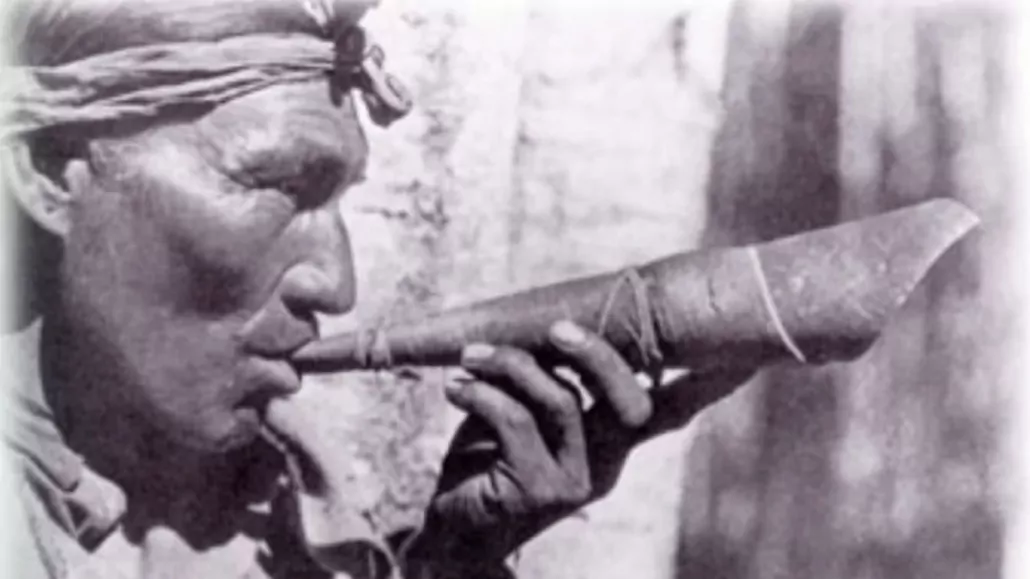
Elder Dr. Winston Wuttunee from the Red Pheasant Cree Nation teaches that in ceremony, tobacco is transformed. It is not simply consumed; it carries hope and prayer to the Great Mystery. The plant passes through fire, entering the body with breath, water, and intention, before being exhaled as smoke to travel where humans cannot.
Advocates emphasize that the plant itself is not profane. Rather, tobacco became profane when Western society altered its fundamental purpose. This transformation is viewed as an old colonial story, characterized by several key shifts:
- From Ceremony to Branding: Sacred relationships and spiritual offerings were systematically stripped away and replaced by corporate branding and transactional sales.
- From Medicine to Addiction: Corporations engineered the plant for dependency, learning how to extract massive profits from human addiction.
- From Appropriation to Condemnation: A sacred Indigenous element was emptied of its meaning, repackaged, sold globally, and is now being condemned as a social plague by the very society that commodified it.
Millions have died not because tobacco was inherently a medicine, but because that medicine was aggressively bent toward a global market. The same societal structures that helped turn tobacco into a deadly commercial addiction now present themselves as the ultimate authorities to save people from it.
While the British law represents sensible public health policy for a commercial market, applying similar frameworks in Canada requires extreme care. Governments must not treat all smoke as identical. Broad, categorical laws—simply defining things as legal or illegal, permitted or banned—often fail because they cannot accommodate Indigenous differences.
This push for legislative nuance does not ignore the very real harms of smoking. Indigenous communities are acutely aware of the damage commercial tobacco has inflicted on their own families. However, a cigarette smoked outside a store is fundamentally different from tobacco lifted in prayer inside a lodge or held before a ceremonial pipe.
A society can successfully protect its children from commercial addiction while simultaneously respecting sacred traditions. If governments truly wish to end the damage caused by the commercial tobacco industry, they must approach new legislation with humility, recognizing that the problem was never the plant itself, but the creation of a bad spirit around it for profit.

- Indonesia: Denpasar Updates Smoke-Free Bylaw to Tighten Vape Rules - October 20, 2026
- Teen Girls Surpass Boys in Vaping Rates, Reversing Historic Trends - October 20, 2026
- Alabama: Irondale Proposes Public Vaping Ban with Fines Reaching $200 - October 20, 2026