
Algeria’s Booming E-Cigarette Market Faces Regulation
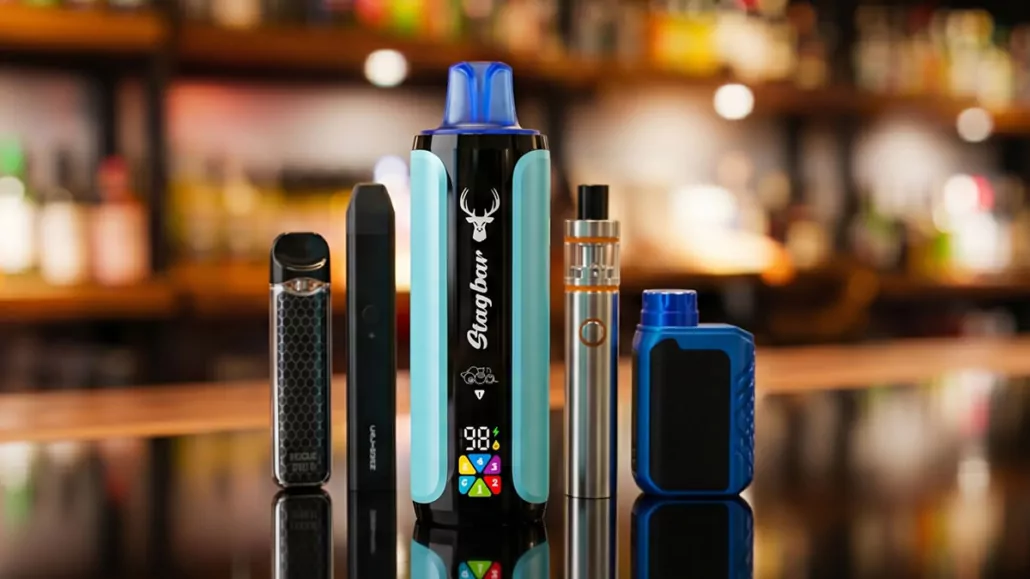
A rapid surge in e-cigarette consumption across Algeria has created a highly lucrative but unstructured market. With zero local hardware manufacturing and a heavy reliance on imports from China and Europe, the sector is currently vulnerable to informal distribution channels. Consumer protection agencies and sociologists are now urging the government to implement strict traceability and regulatory frameworks to combat illicit products and protect a growing demographic of young users.
Market Structure: Import Dependency vs. Local Operations
The Algerian vaping market is characterized by a stark contrast between high consumer demand and a total absence of domestic hardware production. The following table outlines the current structural dynamics of the sector.
| Market Component | Current Status in Algeria |
|---|---|
| Hardware Production | Non-existent. 100% reliant on imports (primarily from China and Europe). |
| E-Liquid Manufacturing | Embryonic. Limited to small-scale, artisanal blending and assembly. |
| Distribution Channels | Highly fragmented. Includes specialized boutiques, online platforms, and informal street commerce. |
| Regulatory Oversight | Partial. Legal to sell, but lacking comprehensive traceability and age-gating enforcement. |
The Demographic Shift: From Cessation to Youth Culture
Initially adopted as a smoking cessation tool, the e-cigarette has undergone a rapid demographic shift in Algeria. Retailers in major urban centers, such as Algiers, report a distinct change in their customer base. Lamine, a specialized vendor, noted that while early adopters were primarily former smokers, the current influx consists largely of young people driven by curiosity.
This shift is fueled by the sensory appeal and perceived safety of modern devices. For 24-year-old student Amayes, the transition was seamless: “I never really smoked cigarettes. I started with a puff out of curiosity. It’s more discreet, it smells good, and we don’t see it as something dangerous.” This normalization of nicotine consumption among non-smokers represents a critical public health challenge for Algerian authorities.
Supply Chain Vulnerabilities and the Informal Economy
Because domestic operators like Demat Algérie remain focused exclusively on traditional tobacco, the vaping sector is entirely dependent on foreign supply chains. Distributors such as E-Smoke Algérie and Vapo Clope offer a wide variety of rechargeable devices, disposable vapes, and flavored e-liquids. However, this reliance on imports has opened the door to a sprawling informal economy.
The Algerian Organization for Consumer Protection and its Environment (Apoce) has issued severe warnings regarding the influx of illegally introduced products. Many devices bypass official customs controls, entering the market without safety verification. In response to these gray-market operations, the Ministry of Commerce has initiated targeted crackdowns, seizing and withdrawing products deemed non-compliant or potentially hazardous to public health.
Sociological Impact and the Normalization of Nicotine
Beyond its economic footprint, vaping has become a distinct social phenomenon in Algeria. Sociologist Abderrahim Djawad Kacimi analyzes the trend as a marker of modern identity. “Vaping is not just a consumer product. It is part of a logic of social affirmation, particularly among young people,” Kacimi explains. “It is perceived as less stigmatizing than the classic cigarette.”
However, this destigmatization carries inherent risks. The ambivalence of the e-cigarette—acting simultaneously as a harm-reduction tool for adults and a gateway to nicotine addiction for youth—requires a nuanced policy response.
Expert Verdict: The Urgent Need for Structuring
The Algerian vaping market has reached a critical inflection point. The current state of partial regulation is unsustainable given the rapid expansion of informal sales channels and the increasing youth adoption rate. To stabilize the sector, the Algerian government must implement comprehensive regulatory frameworks focusing on strict product traceability, mandatory safety testing for imports, and rigorous enforcement of age restrictions at the retail level. Without these structural guardrails, the economic opportunity of the vaping boom risks being overshadowed by a new wave of unregulated nicotine dependency.

- Indonesia: Denpasar Updates Smoke-Free Bylaw to Tighten Vape Rules - October 20, 2026
- Teen Girls Surpass Boys in Vaping Rates, Reversing Historic Trends - October 20, 2026
- Alabama: Irondale Proposes Public Vaping Ban with Fines Reaching $200 - October 20, 2026
Related posts:
 Austria Styria State Banning Nicotine Pouches for Minors
 Vapes Increasingly Pushed Underground in the US and UK
 Vaping Laws in California – Is it Legal to Vape in California?
 Poland Disposable Vape Ban Debate: Concerns Raised
 South Korea Vape Laws 2025: Guide for Travel & Rules
 Crystal Pro Max vs Hayati Pro Max: 4000 Puffs Disposable Vape Showdown

