
Argentina Lifts Vape Ban: Imposes Strict New Regulations
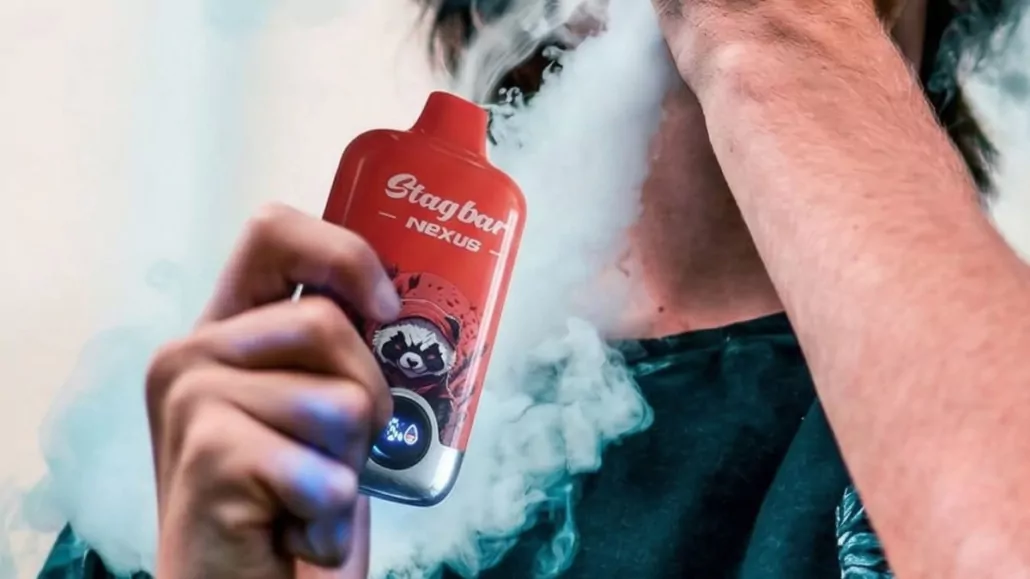
The Argentine Ministry of Health has officially lifted a decade-long ban on vaporizers and nicotine pouches, replacing it with a comprehensive regulatory system. Published in the Official Gazette as Resolution 549/2026, this major policy shift acknowledges that prohibition failed to curb usage, instead driving a booming black market devoid of health standards.
Government data reveals that despite the previous ban, 35.5% of adolescents used vapes or e-cigarettes in the past year. Authorities argue that regulating the market—aligning with strategies used in the US and UK—will allow for effective state oversight, quality control, and better protection for minors.
Under the new framework, next-generation nicotine products are legally classified as tobacco products. They must comply with existing national tobacco control laws, which mandate clear health warnings on packaging and strictly prohibit youth-appealing designs, celebrity imagery, or misleading messages.
To specifically target the youth vaping epidemic, the Ministry of Health has implemented strict product and flavor limitations:
| Product Category | Permitted Features | Prohibited Features |
|---|---|---|
| E-liquids & Heated Tobacco | Tobacco flavor only | All non-tobacco flavors (e.g., fruit, candy) |
| Nicotine Pouches | Tobacco or menthol flavors | All other flavors |
| Disposable Vapes | None | Completely banned (pre-filled formats) |
To enforce these new standards, the government has created the National Registry of Tobacco and Nicotine Products (RNPTN). Manufacturers and importers are now required to register every product through a digital platform before it can enter the market.
The registration process demands rigorous transparency. Companies must submit complete ingredient formulas, toxicological information, and emission analysis certificates from accredited laboratories. Registrations are valid for five years and are subject to periodic renewal.
Furthermore, companies must report sales volumes and consumer age demographics. This data will help the state build epidemiological monitoring tools, strengthen health surveillance, and continuously adjust regulations based on scientific evidence and market trends.
- Read more: Argentina Considers Full Ban on E-Cigarette Sales by 2026
- News reference: Nuevo marco normativo para los productos de tabaco y nicotina

- Indonesia: Denpasar Updates Smoke-Free Bylaw to Tighten Vape Rules - October 20, 2026
- Teen Girls Surpass Boys in Vaping Rates, Reversing Historic Trends - October 20, 2026
- Alabama: Irondale Proposes Public Vaping Ban with Fines Reaching $200 - October 20, 2026
Related posts:
 Spanish Study: Vaping and Heated Tobacco Reduce Cigarette Consumption by 42%
 The Data That Proves the Australian Vape Ban is A Failure
 Michigan Moves to Mandate Tobacco and Vape Retail Licenses
 flum float reviewFlum Float Disposable Vape Review – Convenient Vaping With Limitations
 Idaho House Introduces Bill to Ban Specific E-Cigarette Brands
 Pennsylvania Vape Deadline: New Law May Ban Disposable Vapes

