
UK Disposable Vape Ban: 6 Months Later, What’s Changed?
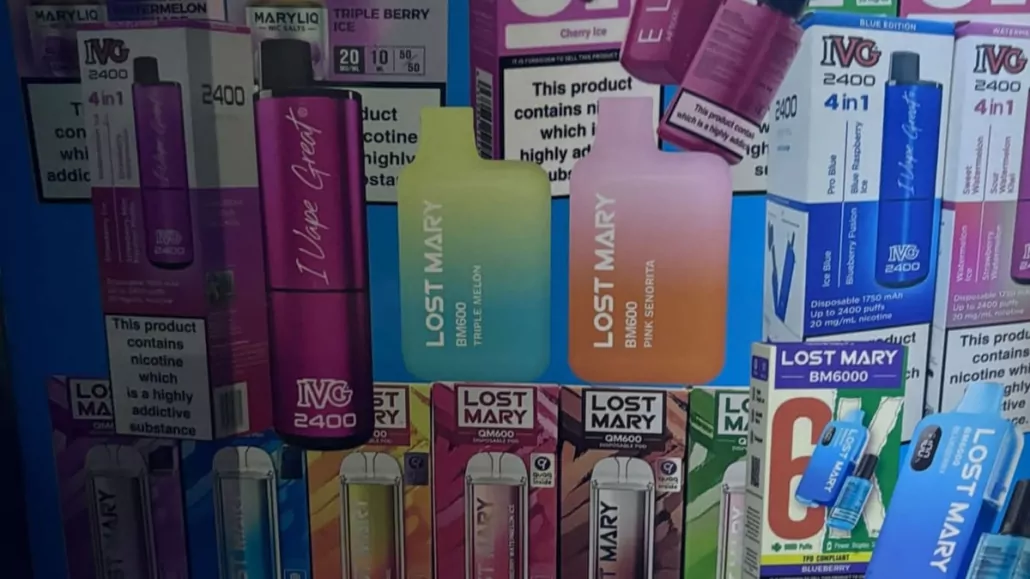
December 1st will mark exactly six months since the UK government implemented a nationwide ban on the sale and supply of single-use disposable vapes. Enacted on June 1, 2025, the legislation was hailed as a decisive move to curb the alarming rise in youth vaping, protect adult smokers, and address a growing environmental crisis. Yet, half a year later, the on-the-ground reality suggests a more complex picture where old habits die hard, and the ban’s effectiveness is being called into question.
For many, particularly within the university student demographic, the ban seems to have barely scratched the surface of vaping culture. “On the surface, nothing seems to have really changed,” observes one report. The allure of disposable vapes – their convenience, discreet nature, punchy flavors, and high nicotine hit – remains potent. Statistics from 2023 painted a stark picture: 69% of vapers aged 11-17 used disposables, and a 2022 survey found over half of university students had used one since the start of the term, with 27% admitting addiction.
The Student Perspective: “No Differences”
Interviews with students at the University of Bristol reveal a disconnect between policy and practice. Many cite sociability, stress relief, and the “better scent” compared to cigarettes as reasons for vaping, factors unaffected by the device’s disposability. Isabelle, a second-year student, argues the ban simply “incentivises people to buy other kinds of vape,” predicting a transition to rechargeables rather than cessation. More concerningly, first-year student Lottie reports seeing “no differences,” claiming disposable vapes are “still displayed in shops” and that “younger and younger generations are picking up the habit.”
A significant barrier to the ban’s success appears to be the “economical charm” of disposables. With single-use devices costing as little as £4 compared to £25 for a reusable kit, the upfront cost remains a hurdle for students, potentially driving them towards illicit or lingering stocks of disposables. There was also a noted lack of awareness among students that the ban had even passed.
Environmental Wins vs. Health Stagnation
While the health impact remains ambiguous, the environmental argument for the ban is robust. Material Focus reported that in 2024, five million single-use vapes were discarded weekly, wasting critical resources like lithium (enough to power 5,000 electric vehicles annually) and leaking toxic cobalt and copper into the ecosystem. A reduction in these numbers would undeniably benefit wildlife and reduce waste fire emissions.
However, if students like Lottie are correct and disposables remain accessible, these environmental benefits may be negligible. Furthermore, on the health front, the ban hasn’t yet delivered a clear victory. Users report either continuing to find disposables, switching to rechargeables, or, most worryingly, turning to tobacco. The fear persists that until single-use vapes are genuinely eradicated from shelves, their low price point will continue to serve as an entry point for school-aged children into nicotine addiction.
Despite the pessimism, the ban represents a necessary step forward in rethinking consumption and waste. It challenges businesses to adopt greener models and signals a governmental stance against unsustainable practices. While it may not have immediately extinguished the vaping trend, it serves as a wake-up call. Whether it can effectively dismantle the culture of convenience and addiction it targets remains to be seen in the longer term.

- Indonesia: Denpasar Updates Smoke-Free Bylaw to Tighten Vape Rules - October 20, 2026
- Teen Girls Surpass Boys in Vaping Rates, Reversing Historic Trends - October 20, 2026
- Alabama: Irondale Proposes Public Vaping Ban with Fines Reaching $200 - October 20, 2026
Related posts:
 UK’s Generational Smoking Ban Hits Roadblock Over Northern Ireland and EU Law
 Singapore Health Sciences Authority Responds to E-Cigarette Search Controversy
 Kazakhstan Introduces Strict Vape Ban: Understanding the New Law and Its Consequences
 Korea E-liquid Safety Association Holds Seminar on Tobacco Law Amendment, Raises Concerns Over Constitutionality
 Singapore Imposes Hefty Fines on Students Caught Vaping as Authorities Seize S$7M Worth of E-cigarettes
 PHA Survey Reveals Over 40% Youth Vaping in Northern Ireland

