
Alarmist Cancer Study Threatens New Zealand’s Vaping Cessation Strategy
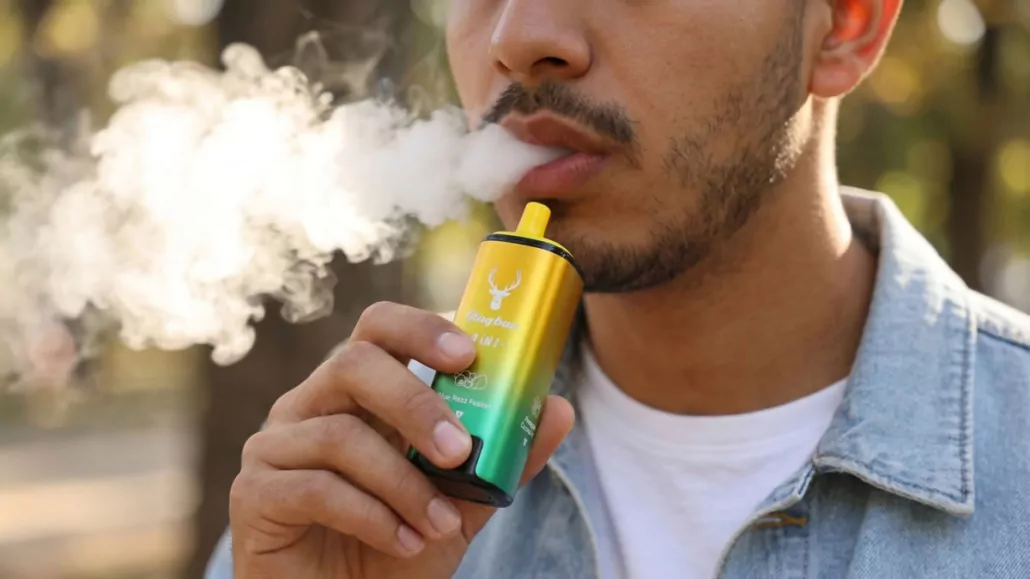
A recent Australian UNSW study linking vaping to cancer has sparked severe industry skepticism. New Zealand’s Action on Smoking and Health (ASH) warns that alarmist research lacking dosage context threatens public health. Experts fear this narrative will deter smokers from utilizing e-cigarettes, driving them back to highly toxic combustible tobacco.
Methodological Flaws: Sweeping Statements vs. Clinical Dosage
Researchers at the University of New South Wales reviewed eight years of data, concluding vapes carry lung and oral cancer risks. Lead author Bernard Stewart argued e-cigarettes can no longer be deemed safer than smoking. However, Ben Youdan, director of ASH, heavily criticized the methodology. He noted the review makes sweeping statements without quantifying actual exposure levels. For instance, while vapes contain trace toxicants, users absorb only a fraction of the carcinogens found in combustible cigarettes. This represents a massive risk reduction, not an equivalent cancer threat.
The core issue lies in the interpretation of chemical analyses. Detecting a chemical does not automatically equate to a clinical cancer risk. Youdan emphasized that failing to report the specific dose exposure misleads the public, creating a false equivalency between vaping and smoking.
The Threat to Smokefree Goals and Public Health
The health trade-offs of misinterpreting this data are severe. New Zealand relies heavily on vaping as a cessation tool to achieve its smokefree goals, particularly for Māori and Pasifika demographics. High-quality epidemiological evidence confirms vaping’s efficacy in smoking cessation. If public perception shifts to believe vaping equals smoking in harm, the healthcare system will bear the cost of relapsed smokers.
| New Zealand Demographic (2024/25) | Daily Smoking Prevalence | Public Health Impact |
|---|---|---|
| Adults (Overall) | 6.8% | Marked 15-year drop driven by cessation tools. |
| Youth (Aged 15-24) | 3.2% | Record low, though youth vaping requires monitoring. |
| Māori & Pasifika | Higher than average | Misinformation threatens targeted smokefree goals. |
Epidemiology vs. Panic
While youth vaping remains a regulatory challenge—currently outpacing 2011 teen smoking rates—the overarching smoking prevalence has plummeted. Ministry of Health data confirms the success of current harm reduction strategies. Furthermore, researchers concede there is still no epidemiological link between vaping and cancer after two decades of global use. Public health advocates insist that future regulations must be driven by dose-specific science, not alarmist headlines that inadvertently protect the combustible tobacco industry.
- Read more: New Zealand Seeks Vape Suppliers for Quit Smoking Services
- Reference: Concern vaping study will drive people back to cigarettes

- Indonesia: Denpasar Updates Smoke-Free Bylaw to Tighten Vape Rules - October 20, 2026
- Teen Girls Surpass Boys in Vaping Rates, Reversing Historic Trends - October 20, 2026
- Alabama: Irondale Proposes Public Vaping Ban with Fines Reaching $200 - October 20, 2026
Related posts:
 Philippine Government Allows Sale of Uncertified Vape Products Until September 7, 2024
 How to Spot a Fake Vape as Illicit Vapes Seizures Soaring
 Scotland Smoking Ban 20th Anniversary: 96% Drop in Secondhand Smoke
 AIR BAR Diamond Box 20000 Puff Disposable Vape Review
 North Carolina: Raleigh Bans Indoor Vaping in New Smoking Ordinance

