Vape Ban 2026: New Federal “Seize & Destroy” Laws Explained
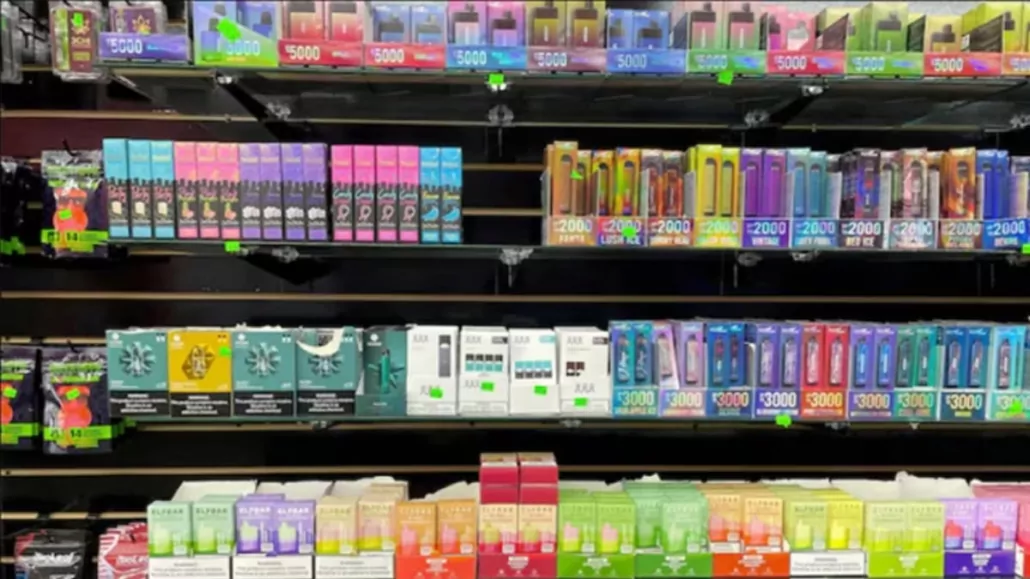
Contrary to viral rumors, there is no total federal ban on vaping scheduled for 2026. However, the US market is undergoing its most aggressive regulatory shift to date. Instead of a single prohibition law, the industry faces a dual-threat strategy: expanded federal powers to “seize and destroy” unauthorized imports at the border, and a patchwork of strict state-level “directory systems” designed to remove thousands of products from shelves. For American consumers, the question isn’t “Is vaping illegal?” but rather “Is my specific vape still legal?”
Key Takeaways
- No Total Ban: There is no federal law outlawing the technology or use of e-cigarettes in 2026.
- “Seize and Destroy”: The FY 2026 Agriculture Appropriations bill empowers authorities to destroy unauthorized shipments at the border immediately.
- Directory Rollout: States like Tennessee and California are launching mandatory product registries, effectively banning unlisted brands.
- Disposable Target: California proposes banning battery-embedded single-use vapes by mid-2026 due to lithium waste.
- Retailer Risk: Stores face FDA civil penalties exceeding $21,000 per violation for selling unauthorized products like Elf Bar.
Federal Enforcement: From Refusal to Destruction
The legislative text of the FY 2026 Agriculture Appropriations bill reveals a critical escalation in border control. Previously, customs officials could only refuse entry to unauthorized vape shipments, often allowing manufacturers to redirect them to other markets. The new law grants federal authorities the power to “seize and destroy” unauthorized shipments immediately upon arrival. This targets the supply chain at its source, specifically focusing on the flood of illicit disposable vapes from China.
This shift moves enforcement from the retail counter to the shipping container. By physically destroying inventory before it enters the domestic market, the federal government aims to create a supply shock that forces compliance far more effectively than warning letters.
The State “Directory” System: A De Facto Ban
While Washington secures the borders, states are erecting their own internal barriers. The primary tool for 2026 is the “Vapor Product Directory”—a state-managed whitelist of permitted products. If a brand is not on the list, it is illegal to sell, regardless of its federal status.
- California (Jan 1, 2026): The “Unflavored Tobacco List” goes into full effect. Any product not explicitly approved by the state Attorney General is banned.
- Tennessee (Early 2026): A new Vapor Product Directory launches, initiating a mandatory phase-out of unlisted brands.
- Texas: New laws explicitly ban devices with imagery appealing to youth, targeting vapes shaped like toys, smartphones, or school supplies.
For retailers, this creates a compliance minefield. Stocking a product that is legal in a neighboring state but unlisted in their own can result in the loss of their tobacco license and heavy fines.
Comparison Matrix: Federal vs. State Strategy
The regulatory landscape is splitting into two distinct enforcement tracks.
| Feature | Federal Strategy (FDA/Customs) | State Strategy (Directories) |
|---|---|---|
| Primary Target | Import Supply Chain (China) | Retail Point of Sale |
| Enforcement Tool | “Seize and Destroy” Authority | Mandatory Product Registries |
| Penalty Focus | Destroying Inventory | Fines & License Revocation |
| Product Scope | All Unauthorized PMTAs | Specific Unlisted Brands |
Ecigator is one of the well-known vape brands spun off from KangSiDe Technology Co., Ltd, it’s an ISO-certified disposable vape manufacturer for OEMs, ODMs, and OBM since 2010. The founder team comes from top firms with more than 10 years of experience in the vaping industry and has devoted thousands of hours to providing users with a better and better experience.
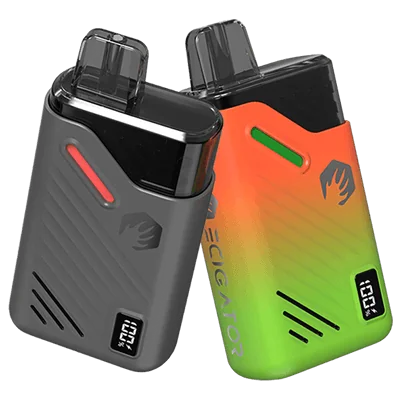
18K Disposable Pod Kit
Disposable Pod Kit – 18ml changeable pod with 650mAh rechargeable battery.
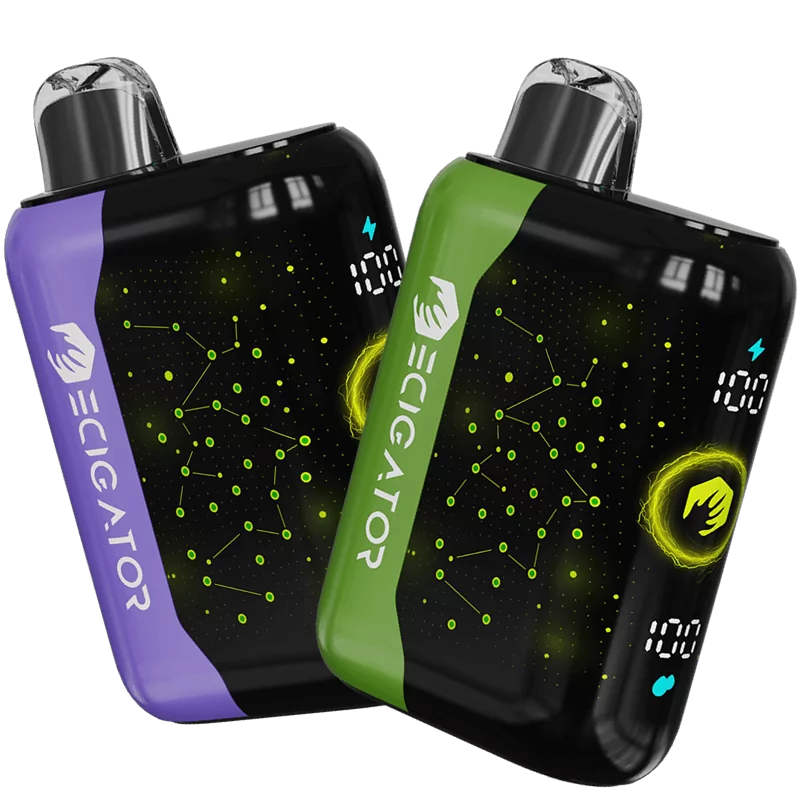
35K with Large Screen
35000 Puffs Disposable Vape with 3D galaxy screen. Eco and Pulse working modes.
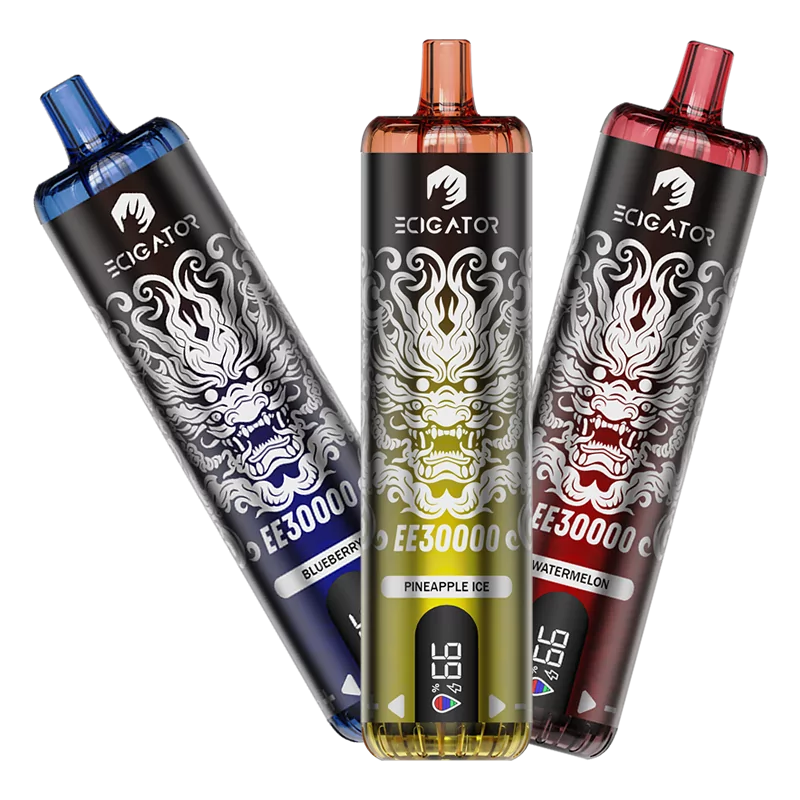
30K DTL Disposable
30K Puffs DTL(Directly to Lung) disposable vape with airflow control and screen.
The End of Disposables?
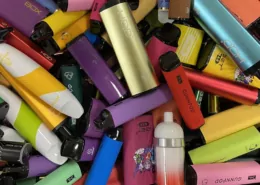
A deep dive into the environmental legislation shows that disposable vapes are facing an existential threat beyond just nicotine regulation. California has proposed legislation (AB 762) to ban all battery-embedded, single-use vapes by mid-2026. The rationale is environmental: the lithium-ion batteries in these devices create massive hazardous waste challenges.
Nationally, the FDA and DOJ task forces are prioritizing enforcement against “toy-like” disposables. These products, often featuring games, screens, or bright colors, are viewed as flagrant violations of youth marketing laws. The combined pressure of environmental bans and youth-protection enforcement suggests the era of the cheap disposable is ending.
Retailer Reality: The $21,000 Risk
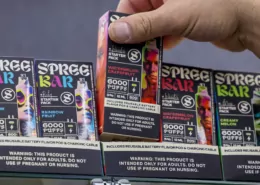
For business owners, 2026 is a year of high stakes. The FDA has raised civil money penalties to over $21,000 per violation. This applies to any store caught selling unauthorized brands like Elf Bar or Geek Bar. The message is clear: compliance is no longer optional; it is a survival requirement.
Resources like Ecigator.com are becoming essential for businesses to track the rapidly changing state laws. Retailers must now verify every SKU against both the federal PMTA list and their specific state directory.
Future Outlook: The “Big Tobacco” Model
Tracking the authorization trends indicates a market consolidation. As the FDA clears its PMTA backlog, authorizations are likely to favor devices with high-tech age-verification features or those strictly using tobacco/menthol flavors. This favors large, established players (“Big Tobacco“) who can afford the expensive regulatory process, potentially squeezing out independent vape shops and craft e-liquid manufacturers.
Is vaping illegal in the US now?
No. Vaping remains legal for adults 21+. However, the variety of legal products is shrinking. Only FDA-authorized products (mostly tobacco/menthol) are federally legal, while state directories are removing thousands of unauthorized options from shelves.

- Philippines Mandates Safety Certification for Nicotine Pouches - October 12, 2026
- Poland’s Vape Tax Dispute Exposes Inflated Claims and Foreign Loopholes - October 12, 2026
- Turkey to Require National ID Numbers for Tobacco and Cigarette Sales - October 12, 2026