Argentina Considers Full Ban on E-Cigarette Sales by 2026

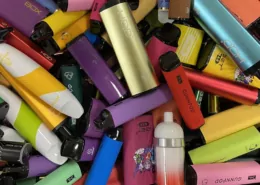
A legislative proposal circulating in the Argentine Congress could fundamentally reshape the country’s nicotine market by banning the commercial sale of all vaping products and e-liquids by 2026. The draft law, driven by public health concerns and the precautionary principle, aims to eliminate the retail availability of e-cigarettes, with very limited exceptions for sanctioned medical or research purposes. If passed in its current form, the bill will introduce significant changes for consumers, retailers, and importers through strict penalties and enhanced enforcement.
What Would Change for Consumers and Businesses?
Should the project advance without significant modifications, the daily landscape of purchasing and using vaping products in Argentina would be visibly transformed. The most sensitive and impactful changes would include:
- Progressive Closure of Specialty Vape Shops: Retailers specializing in vape products would face a mandated phase-out, requiring them to clear their existing authorized stock and ultimately close their doors.
- Ban on Advertising and Retail Displays: All forms of advertising, promotion, and in-store displays for vaping products would be prohibited across both physical and digital channels.
- Stricter Customs and Border Controls: The law would reinforce customs enforcement to limit informal or personal importation of vaping products and crack down on cross-border online sales.
- Shift in Public Health Focus: There would be a greater emphasis on directing individuals towards approved tobacco cessation programs and therapies, rather than using vaping as a harm reduction alternative.
- Enhanced Enforcement Near Youth Areas: Fiscalization and penalties for any sales to minors would be intensified, particularly in and around school environments.
For consumers, this means legal access to vaping products within Argentina would effectively cease. They would no longer be able to purchase devices or e-liquids from local shops or online retailers. For businesses, the law would necessitate a complete pivot away from the sale of these products, impacting a supply chain of manufacturers, distributors, and thousands of retail employees.
How Argentina’s Proposal Compares to Regional and EU Regulations
To calibrate its decision, the Argentine Congress is observing the regulatory trends in neighboring countries and the European Union. The proposed ban positions Argentina among the more restrictive nations in the region. A simplified comparison shows a varied landscape:
| Jurisdiction | Current Regulation | Anticipated Measures (2026) | Minimum Age | Sanctions |
|---|---|---|---|---|
| Argentina (Proposal) | Market with regulatory gaps and disparate controls | Veto on sales and advertising; sanitary exceptions | 18+ | High fines and confiscation |
| Uruguay | Broad prohibition on commercialization | Restrictive approach maintained | 18+ | Store closures and fines |
| Chile | Regulated as tobacco products; ad restrictions | Tighter controls on flavors and labeling | 18+ | Fines and product removal |
| Mexico | Severe restrictions on importation and promotion | Consolidation of customs controls | 18+ | Confiscation and sanctions |
| European Union (TPD) | Nicotine limits, warnings, quality controls | Increased taxes and regulation of flavorings | 18+ | Penalties vary by member state |
Economic Impact and the Risk of an Informal Market
The proposed ban carries significant economic implications. The Ministry of Economy anticipates effects on VAT collection and employment within the distribution and retail chains. A primary concern is that a strict prohibition without robust enforcement capacity could drive the entire market underground. Analysts fear a shift towards an illicit trade of unlabeled, unregulated e-liquids without any quality control, potentially posing greater health risks to consumers. As one expert on illicit markets noted, “A tough law without the capacity for control can become a dead letter.” Proponents of the bill argue that with reinforced customs, coordinated operations, and prevention campaigns, this diversion to the black market can be mitigated.
In the coming weeks, the bill may undergo changes, with possibilities including a gradual phase-out, a transitional licensing scheme, or increased funding for control measures. As the clock ticks towards 2026, Argentina faces a critical decision between a complete prohibition, a strictly regulated market, or a mixed approach.

- Indonesia: Denpasar Updates Smoke-Free Bylaw to Tighten Vape Rules - October 20, 2026
- Teen Girls Surpass Boys in Vaping Rates, Reversing Historic Trends - October 20, 2026
- Alabama: Irondale Proposes Public Vaping Ban with Fines Reaching $200 - October 20, 2026