
Proposed Australian Tobacco Tax Cut Would Hand Big Tobacco a $2.3 Billion Windfall
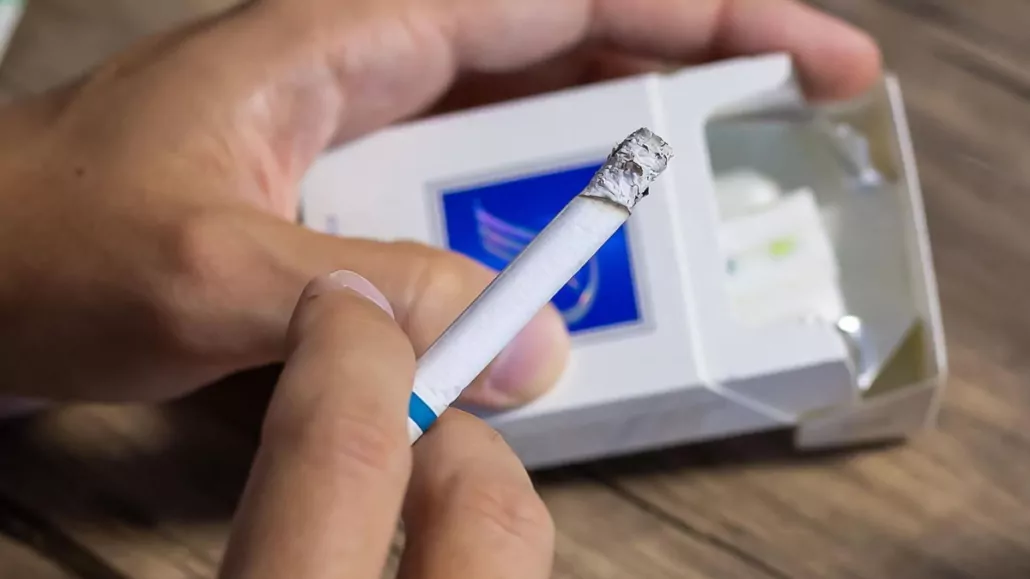
The Public Health Association of Australia (PHAA) has strongly condemned a proposed 50 percent cut to tobacco customs duties, warning it would hand a $2.3 billion annual windfall to multinational tobacco companies. This fierce pushback follows intense, closed-door industry lobbying during recent Senate inquiry hearings into illegal tobacco.
PHAA CEO Adjunct Professor Terry Slevin criticized the tobacco industry’s stealth tactics, noting that corporate representatives argued for cheaper cigarettes while 66 Australians die daily from tobacco-related diseases. He emphasized that these arguments are part of an orchestrated campaign driven by self-interest and profit, completely disregarding public health.
With the Federal Budget imminent, Slevin argued that reducing the excise would be a “perverse and unacceptable giveaway.” The industry’s products are already responsible for hundreds of thousands of deaths, alongside billions of dollars in healthcare costs and lost productivity.
According to PHAA estimates, the proposed tax cuts would disproportionately benefit the world’s largest tobacco manufacturers.
| Multinational Tobacco Company | Estimated Annual Windfall |
|---|---|
| British American Tobacco | More than $1 Billion |
| Imperial Brands | More than $600 Million |
| Philip Morris | More than $500 Million |
Addressing industry claims that lower taxes would combat the black market, Slevin stated that cutting the tobacco tax would not stop the illicit trade. Even with the proposed reduction, the price difference between legal and illegal tobacco remains large enough to drive organized criminal activity.
Instead of tax cuts, the PHAA is urging the government to focus on strict enforcement, tighter regulation of the supply chain, and greater transparency around tobacco industry lobbying. Slevin also reminded lawmakers of Australia’s obligations under the WHO Framework Convention on Tobacco Control to protect public health policy from industry influence.
Associate Professor Raglan Maddox, Program Lead of the Tobacco Free Program at the Australian National University, echoed these sentiments. He stressed that communities are working hard to reduce smoking and vaping harms, and the solution is not cheaper cigarettes, but rather protecting future generations and preventing addiction before it starts.
- Read more: Australia’s Vape Ban Backfire: Why Smoking is Rising Again
- More detail is here.
- PHAA’s submission to the inquiry is available here.

- Indonesia: Denpasar Updates Smoke-Free Bylaw to Tighten Vape Rules - October 20, 2026
- Teen Girls Surpass Boys in Vaping Rates, Reversing Historic Trends - October 20, 2026
- Alabama: Irondale Proposes Public Vaping Ban with Fines Reaching $200 - October 20, 2026
Related posts:
 Western Australia Passes Strict Tobacco Amendments: $21M Fines and Store Closures
 Synthetic Nicotine E-Cigarettes: A Regulatory Blind Spot in South Korea
 Kyrgyzstan Raises Minimum Prices for Vape and Tobacco Cigarettes
 Vape Ban in Countries: Examining the Global Debate
 Study: Vaping and Heated Tobacco Are Not Gateways to Smoking

