
Canada’s Nationwide Vape Flavor Ban Stalls 5 Years After Initial Promise
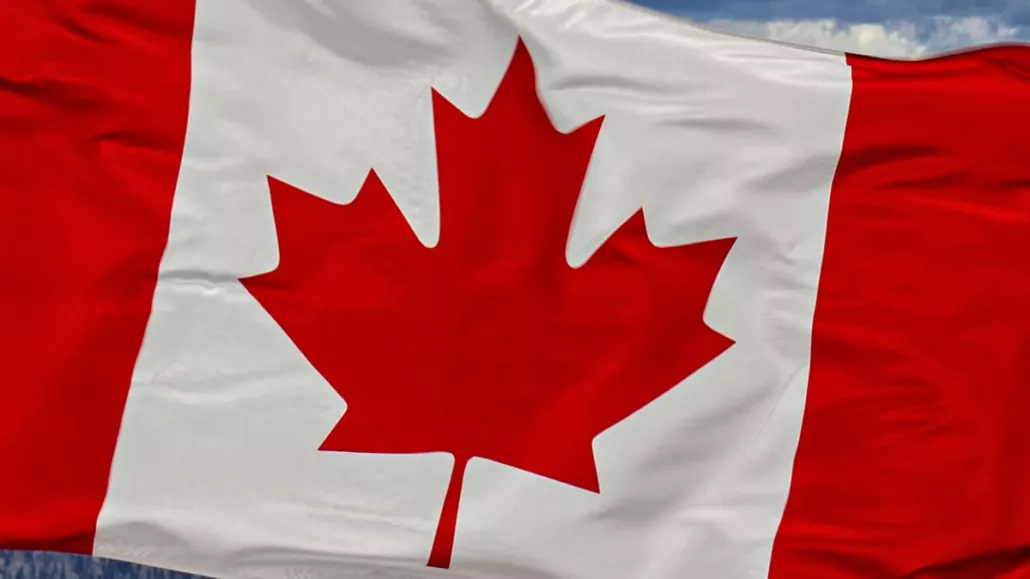
Canadian Health Minister Marjorie Michel has declined to provide a concrete timeline for implementing a long-promised nationwide ban on flavored vaping products. This hesitation comes five years after the federal government initially vowed to restrict sweet flavors to combat a staggering rise in youth nicotine addiction across the country.
In an interview with CBC News, Minister Michel stated she remains “committed to keep Canadians informed on next steps” and is “willing to move in that direction,” but would only offer “as soon as possible” when pressed for a deadline. Public records indicate that Health Canada, along with Liberal ministers, has been subject to regular lobbying from the nicotine industry seeking assurances that a federal flavor ban will not be implemented.
In 2021, Health Canada announced plans to limit nationwide vape sales to only mint, menthol, and tobacco flavors. The regulations have reportedly been ready for two years, but Ottawa has stalled. Minister Michel recently argued that she needs to ensure “everybody agrees,” pointing to ongoing collaborations with provincial and territorial counterparts.
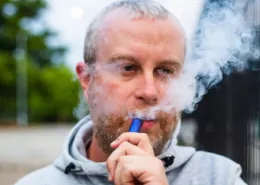
Canada currently faces one of the highest youth vaping rates globally. While vaping is recognized as less harmful than combustible cigarettes—helping one in five Canadian quitters in 2024—the majority of users are under 25 and have never smoked. For these youths, vaping acts as an introduction to highly addictive nicotine.
While the federal government delays, several provinces—including Nova Scotia, New Brunswick, P.E.I., and Quebec—have proactively implemented their own flavor restrictions. Recent data suggests these localized bans are working.
According to the Youth Tobacco and Vaping Survey conducted by the University of Waterloo School of Public Health Sciences, youth living in provinces with flavor bans reported lower vaping rates. Crucially, lead researcher David Hammond noted that the data showed no significant increase in youth smoking rates—directly challenging a primary argument made by the vaping industry.
| Stakeholder | Stance on Flavor Ban | Primary Argument |
|---|---|---|
| Health Experts & Researchers | Strongly Support | Sweet flavors heavily appeal to youth and drive addiction; bans reduce youth usage without pushing them to traditional cigarettes. |
| Vaping & Nicotine Industry | Strongly Oppose | Bans will create an unregulated illicit market, reduce tax revenue, and remove a tool that helps adult smokers transition away from cigarettes. |
| Federal Government | Delayed / Undecided | Seeking provincial consensus and evaluating the potential risks of fueling a black market before implementing national regulations. |
Michael Chaiton from the Centre for Addiction and Mental Health (CAMH) echoed Hammond’s findings, noting that while flavors make little difference in the efficacy of vaping as a cessation tool for adults, they are the primary reason young people initiate use. Both researchers stressed that a patchwork of provincial laws is difficult to enforce due to online cross-border sales, making a national ban essential.
Medical professionals are sounding the alarm over the physical toll of this delay. Dr. Hassan Mir, a cardiologist at the University of Ottawa Heart Institute, warned of a “massive tsunami of nicotine addiction.” He noted that some youth are unknowingly vaping the nicotine equivalent of 100 cigarettes a day.
“What ends up happening is that that rapidly tumbles down into a significant addiction,” Dr. Mir explained, observing that many young patients eventually transition from vapes to harsher combustible cigarettes—the exact opposite of the industry’s harm-reduction narrative.
For former smokers like Jacob Woloshin, who recently quit vaping, the appeal of flavors like “banana, mango, pineapple and ice” is undeniable, but dangerous. “It’s easy to stay addicted to vaping with the flavours,” he said. “It’s part of the addiction process.”

- Indonesia: Denpasar Updates Smoke-Free Bylaw to Tighten Vape Rules - October 20, 2026
- Teen Girls Surpass Boys in Vaping Rates, Reversing Historic Trends - October 20, 2026
- Alabama: Irondale Proposes Public Vaping Ban with Fines Reaching $200 - October 20, 2026
Related posts:
 Greece’s Proposed Vape Flavor Ban Threatens Public Health Progress
 Nevada Vape Directory Bill (SB 435) Faces Opposition
 Canadian Conservatives Pledge to Scrap Pharmacy-Only Rule for Nicotine Pouches
 Dual Use of Vapes & Cigarettes Helps Smokers Quit: Study
 New Jersey Lawmakers Propose Bill to Prohibit E-Cigarette Delivery to Those Under 21
 Jersey Bans Disposable Vapes Starting in 2025 to Address Environmental Concerns

