
Colorado Flavor Ban Debate: Denver to Vote on Repeal as Other Towns Pass Bans
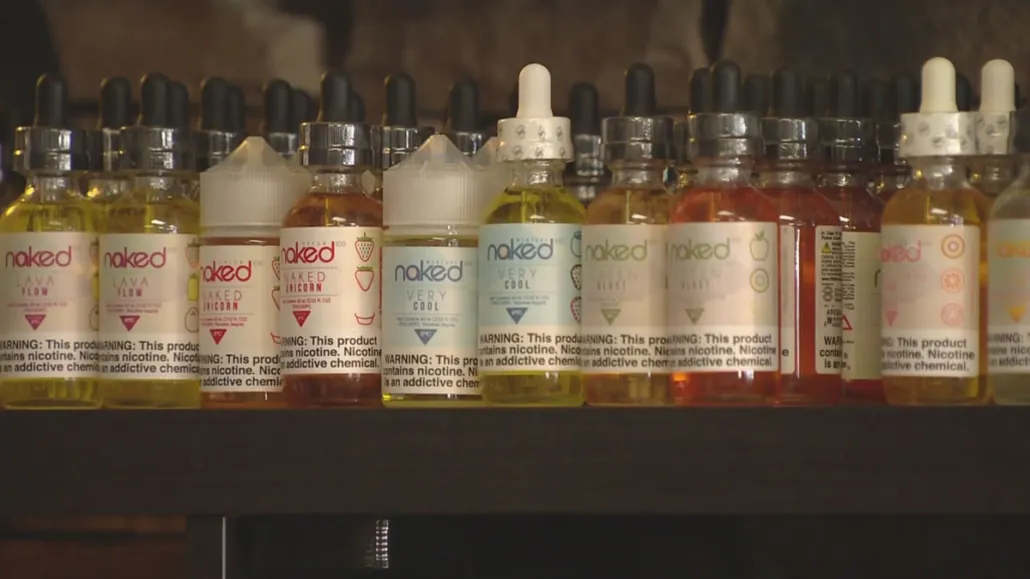
While voters in Denver are set to decide the fate of the city’s controversial flavored nicotine ban this November, other municipalities in Colorado are continuing to pass similar ordinances, creating a complex and shifting regulatory landscape across the state. This “flavor ban bandwagon” highlights the ongoing tension between public health efforts to curb youth vaping and arguments from opponents who fear negative economic impacts and restrictions on adult choices for smoking alternatives.
In December 2024, the Denver City Council passed a law to ban most flavored nicotine products, including menthol cigarettes, e-cigarettes, and vapes. However, a citizen-initiated ballot measure to repeal the ordinance quickly qualified for the November ballot. The repeal effort has gained significant momentum and funding, leading Denver officials to suspend enforcement of the ban until after the election. The pro-repeal campaign, “Citizen Power!”, has raised nearly double the funds of its opposition, with major contributions from the Rocky Mountain Smoke Free Alliance and tobacco companies Altria and Philip Morris International (PMI).
The case for repeal was arguably bolstered when the U.S. Food and Drug Administration (FDA) authorized the marketing of Zyn nicotine pouches, which it called “beneficial” as an alternative to tobacco. Zyn’s portfolio includes several flavored options, such as citrus and cool mint, which are illegal to sell in Denver under the current ban.
Despite the strong push for repeal in Denver, the trend of local flavor bans is spreading, particularly in Colorado’s mountain towns. Just last month, the town councils in Dillon and Eagle passed similar flavor bans that are set to take effect in January 2026. They join a growing list of at least 14 Colorado communities, including Aspen, Breckenridge, Carbondale, Frisco, Keystone, and Silverthorne, that have enacted such prohibitions.
Opponents of these municipal bans argue they will drive local retailers out of business without achieving the desired public health effect, as consumers will simply purchase products in neighboring communities, taking their tax revenue with them. They point to significant price differences, noting that high taxes in Colorado make nicotine products much more expensive than in neighboring states like Wyoming.
During the Eagle town council debate, representatives from PMI, which is building a $600 million Zyn manufacturing facility in Aurora, argued that their products are aimed at helping adults quit smoking. Prikita Kumar, director of PMI’s U.S. Scientific Engagement Group, stated that flavors are “essential to helping adult smokers switch” and that tobacco use is actually trending down among U.S. youth. She also pointed out the irony that municipalities banning flavored nicotine often continue to allow the sale of other age-restricted substances like alcohol and cannabis. The outcome of Denver’s November vote will be closely watched as a potential bellwether for the future of flavored nicotine regulation across Colorado.
- Article source: Flavored nicotine bans spread as Denver prohibition faces repeal

- Indonesia: Denpasar Updates Smoke-Free Bylaw to Tighten Vape Rules - October 20, 2026
- Teen Girls Surpass Boys in Vaping Rates, Reversing Historic Trends - October 20, 2026
- Alabama: Irondale Proposes Public Vaping Ban with Fines Reaching $200 - October 20, 2026
Related posts:
 California Arroyo Grande to Fully Ban on Vape Distribution
 Is Weed Legal in Texas? Guide to Marijuana, CBD, and THCA Laws
 Denver City Council Bans Sale of Flavored Vapes and Tobacco Products
 Wisconsin Vape Shops Lose Lawsuit Against New Ban
 Palau Announces Vape Illegal: Comprehensive Ban on Import, Advertising, Sales, and Use
 Russia Tightens Penalties for Selling Vapes to Minors

