
FDA Authorizes Glas E-Cigarettes: Tobacco Flavor Only
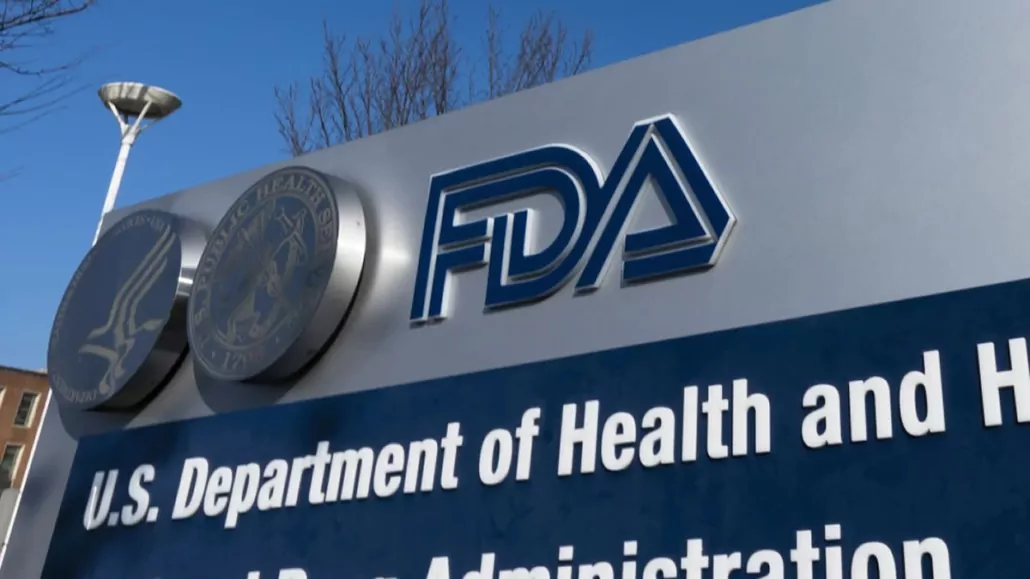
The U.S. Food and Drug Administration continues its cautious approach to the vaping market by licensing a new age-gated device while maintaining strict limits on non-tobacco flavors.
The U.S. Food and Drug Administration (FDA) has authorized the sale of a new tobacco-flavored e-cigarette from Glas, bringing the total number of permitted vape products to 41. While the agency recently issued guidance that may ease the path for “adult-oriented” flavors like coffee and spices, it maintains a high evidentiary burden for fruit and candy profiles to prevent youth nicotine addiction.
FDA Flavor Guidance and Evidentiary Requirements
The following table outlines the FDA’s current regulatory stance on flavor authorizations based on the latest agency guidance.
| Flavor Category | Evidentiary Burden | Status / Examples |
|---|---|---|
| Tobacco & Menthol | Standard | 41 Products Authorized (e.g., Glas Tobacco) |
| Adult-Oriented | Lower Burden | Coffee, Tea, Spices, Clove |
| Youth-Appealing | Heavy Burden | Fruit, Candy, Desserts |
The Glas Authorization and Age-Gating Technology
The FDA expanded its list of authorized nicotine delivery systems on March 12, adding a device and associated pods from Glas, a small U.S.-based manufacturer. Notably, Glas utilizes technology designed to age-gate its devices, a feature that aligns with the regulator’s focus on preventing underage access. Despite this technological safeguard, only the company’s tobacco flavor was approved, leaving menthol and other varieties in the pending application phase.
This move follows a subtle shift in the agency’s regulatory framework. New guidance suggests a lower burden of proof for flavors with less documented youth appeal, such as coffee or spices, while maintaining a “heavy burden of evidence” for sweet or fruit-flavored products. Mitch Zeller, former director of the FDA’s Center for Tobacco Products, argued that increasing the number of authorized flavored products is necessary to “crowd out” the booming illicit market for unregulated e-cigarettes.
Expert Verdict: Balancing Access and Prevention
The FDA’s cautious pace continues to draw criticism from both sides of the debate. While the Campaign for Tobacco Free Kids warns that any expansion of flavors could addict a new generation, industry advocates argue that the slow approval process—some applications have been pending for over five years—fuels the black market. For the FDA, the challenge remains responding to market shifts quickly enough to protect public health without driving adult smokers back to combustible tobacco. The authorization of Glas suggests that while the door is opening for innovative hardware, the “flavor wall” for tobacco alternatives remains largely intact.

- Australia Cuts Smoking Rates but Fuels Tobacco Black Market - October 10, 2026
- Mexico Passes Stricter Tobacco Law as Experts Warn of Cartel Trade - October 9, 2026
- FDA Tobacco Review Delays Threaten Public Health, GAO Report Reveals - October 9, 2026
Related posts:
 USITC Launches Section 337 Investigation into Certain Disposable Vape Devices
 Is Vaping and Driving Illegal in Utah? (2025 Guide)
 U.S. Vape Market: Distributors, Trends, and Growth
 How Will 9 Key Global Shifts in 2025 Reshape the Nicotine Industry in 2026?
 R.J. Reynolds Seeks Ban on Disposable Vape Imports
 Spanish Government Considers Taxing Vape Products

