
Federal Cuts Dismantle Decades of US Anti-Smoking Progress
In May 2025, the Centers for Disease Control and Prevention (CDC) reported a major public health milestone: adult cigarette smoking in the United States dropped to 9%. This marked the first time the rate entered single digits, down from roughly 40% in the 1970s. This decline resulted from decades of tobacco taxes, public smoking bans, and sustained educational campaigns targeting the nation’s leading cause of preventable death.
Despite these gains, the Trump administration has initiated a series of rollbacks on federal smoking cessation programs, raising concerns that nicotine addiction rates could reverse course.
Dismantling Federal Cessation Infrastructure
The administration’s policy changes have targeted both public awareness campaigns and the agency infrastructure that supports state-level quitting programs.
In September 2025, the CDC ended its 14-year Tips from Former Smokers national advertising campaign. Studies show these stark, real-life testimonials prompted millions of smokers to seek help. Following the campaign’s termination, calls to the national 1-800-QUIT-NOW hotline plummeted, alongside enrollment in state-sponsored counseling and nicotine replacement programs.
Additionally, the CDC’s Office on Smoking and Health has been closed for over a year. Its staff was laid off, and various anti-smoking resources on the agency’s website have been archived. Under pressure from Congress, the CDC recently released limited funds allowing states to air archived ads locally, but the federal government will no longer produce new content or fund nationwide broadcasting contracts.
FDA Approval of Flavored E-Cigarettes
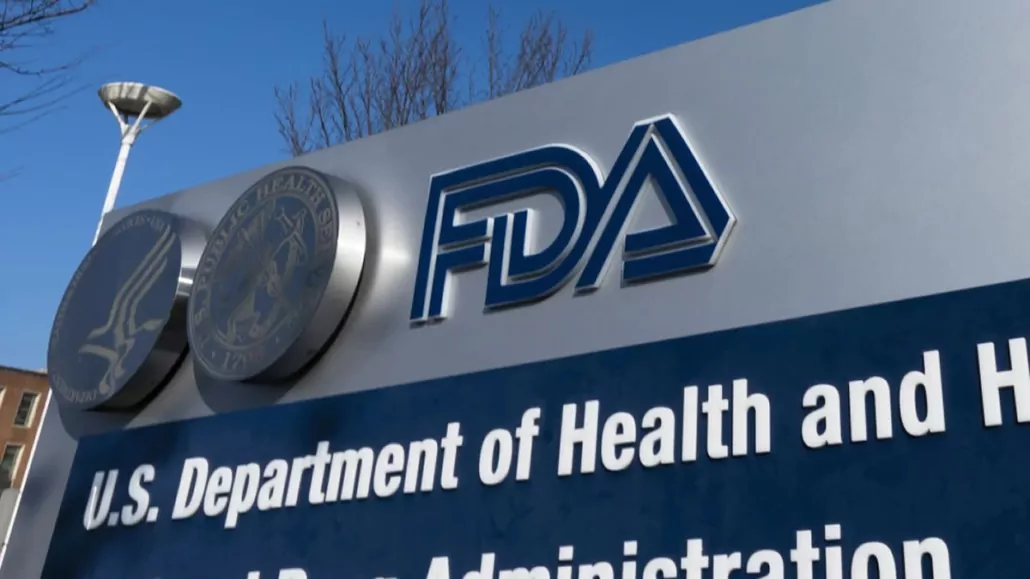
In May 2026, the Food and Drug Administration (FDA) approved the sale of fruit-flavored e-cigarettes and issued policies allowing them to be marketed more broadly. The decision, reportedly made under White House pressure, led to the immediate resignation of FDA Commissioner Dr. Marty Makary, who opposed the approvals.
Public health officials warn that flavored vapes are highly appealing to youth and serve as an entry point for nicotine dependency. According to FDA data, 7.2% of middle and high school students—representing over 2 million children—reported using tobacco products last year, with 5.2% specifically using e-cigarettes. The CDC projects that if current youth smoking rates persist, 1 in 13 Americans currently under the age of 18 will die prematurely from smoking-related illnesses.
Political Donations and Industry Influence
The timing of these policy shifts has drawn scrutiny. Reports from The New York Times revealed that tobacco companies directed millions of dollars to political organizations aligned with the administration. For example, Reynolds American, the manufacturer of Newport and Camel cigarettes, donated $5 million to a pro-Trump super-PAC just one week before the FDA approved the new flavored e-cigarettes.
While there is no direct evidence linking these financial contributions to the termination of the CDC ad campaign, the decisions represent a shift away from long-standing, bipartisan tobacco control policies.
Today, 25 million Americans still smoke cigarettes, and tobacco use continues to claim over 480,000 lives annually in the U.S. Public health advocates point out that the loss of cessation support will fall hardest on vulnerable populations, including low-income individuals, people of color, the LGBTQ community, military personnel, and those living with mental illness, among whom smoking rates remain disproportionately high.

- Quebec Expands Smoking Cessation but Excludes Vapes - October 24, 2026
- EAEU Regulations Threaten to Overturn Kazakhstan’s Vape Ban - October 23, 2026
- North Yorkshire Steps Up Vape Crackdown & Theme Park Bans - October 23, 2026
Related posts:
 UK Smoking Ban for Those Born After 2009 Begins Journey
 Western Australia Bans Vaping in All Enclosed Workplaces
 Louisiana Lawmakers Approve Vape Tax Hike, Reject Cigarette Tax
 Montana Faces Decisions on Vaping and Tobacco Bills
 Illinois Proposes Flavored Tobacco & Vape Ban Starting June 2026
 Cambodia Vape Campaign Youth: Ministry Takes Action

