
Australia’s Vaping and Tobacco Policy Reform: Tackling the Black Market
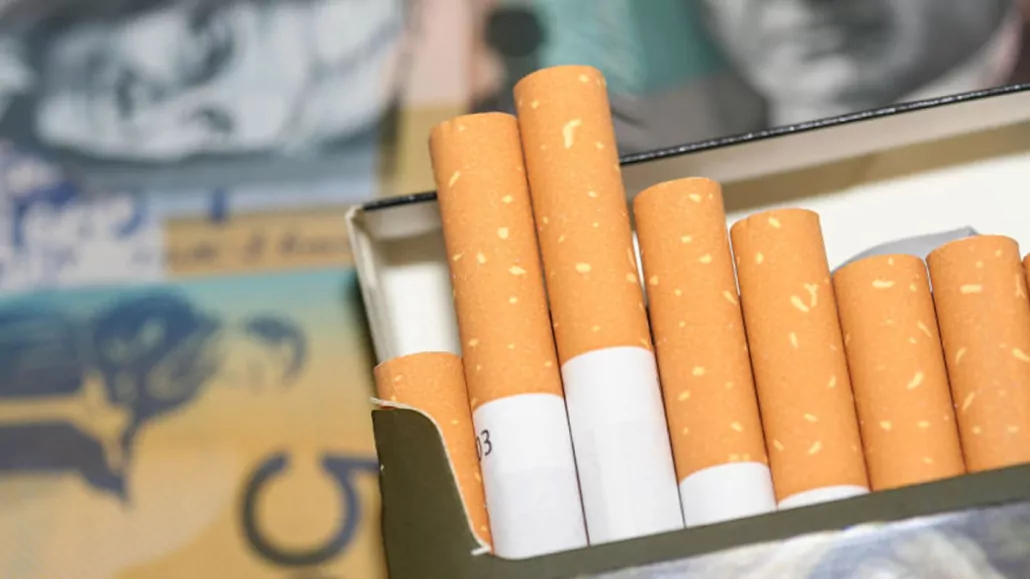
Australia’s strict tobacco control policies have triggered severe unintended consequences, driving the majority of the nation’s nicotine supply into the hands of illicit syndicates. High cigarette taxes and a prescription-only model for vaping have created a black market that now accounts for up to 80% of the country’s nicotine supply, according to Australian Bureau of Statistics estimates.
While the stated goal of these policies is to reduce the nation’s 24,000 annual smoking-related deaths, the current approach has instead compromised public safety, drained government coffers, and left border security facing an impossible task.
The Cost of High Taxes and Tight Restrictions
A 282% increase in cigarette excise since 2013 has made Australian cigarettes among the most expensive globally. Instead of stopping smoking, this pricing has driven consumers to unregulated illegal alternatives. The ITEC Commissioner reports that illegal operators control over half of the tobacco market and nearly the entire vaping market.
This black market expansion costs the federal budget between $7 billion and $12 billion annually in lost tax revenue. The financial incentive has also sparked a wave of violent crime, including retail arson, extortion, and six homicides. Law enforcement struggles to stem the flow, as authorities only X-ray about 1% of shipping containers entering Australian ports.
| Metric / Indicator | Past / Legal Framework | Current / Illicit Reality (2025) |
|---|---|---|
| Cigarette Excise Increase | Baseline (2013) | 282% increase |
| Illicit Cigarette Market Share | Minimal | 50% to 60% of total supply |
| Illicit Vape Market Share | Minimal | 95.7% of total supply |
| Federal Budget Impact | Stable tax revenue | $7 billion to $12 billion annual loss |
| Wastewater Nicotine Levels | Baseline (2017) | 40% increase (despite only 14% population growth) |
The Role of Vaping in Smoking Cessation
The core contradiction of Australia’s policy is that lethal combustible cigarettes remain widely available in retail stores, while safer vaping alternatives are restricted behind a medical prescription model. This restriction persists despite evidence from the Cochrane review confirming that nicotine vapes are more effective for smoking cessation than traditional nicotine replacement therapies.
While the National Drug Strategy Household Survey (NDSHS) reported that daily adult smoking fell to 5.8% in 2025, experts question the accuracy of these figures. Because the vast majority of the cigarette market is now illicit and unrecorded, official surveys may underreport actual smoking rates. Furthermore, nicotine levels in Australian wastewater have risen by 40% since 2017, far outpacing the 14% population growth over the same period.
The Global Transition to Smoke-Free Alternatives
Globally, the tobacco industry is shifting away from combustible products. By 2025, smoke-free products made up 42% of Philip Morris International’s revenue and 18% of British American Tobacco’s revenue. As technology advances, traditional cigarettes are becoming obsolete, with major manufacturers projecting that the majority of their revenues will come from smoke-free alternatives by 2030.
To resolve the domestic crisis, policy experts suggest reducing cigarette excise to make legal tobacco affordable for low-income earners, thereby dismantling the black market’s profit margins. Simultaneously, matching vape age restrictions to those of cigarettes would align Australia with international harm-reduction strategies and allow law enforcement to focus on regulated compliance rather than border interdiction.

- Indonesia: Denpasar Updates Smoke-Free Bylaw to Tighten Vape Rules - October 20, 2026
- Teen Girls Surpass Boys in Vaping Rates, Reversing Historic Trends - October 20, 2026
- Alabama: Irondale Proposes Public Vaping Ban with Fines Reaching $200 - October 20, 2026
Related posts:
 Navigating Vape Laws and Regulations in Japan (2025): A Guide for All
 Vapes Increasingly Pushed Underground in the US and UK
 Pennsylvania Vape Registry Law Threatens to Shut Down Local Shops
 NZ Govt Signs $500K Vape Contract with Former Legal Rival Alt NZ
 Indiana Bans Chinese-Made Vapes: Retailers Warn of Product Shortages
 Uwell Caliburn G3 Pod Kit Review

