
Germany’s Proposed Vape Flavor Ban: Menthol and 12 Additives
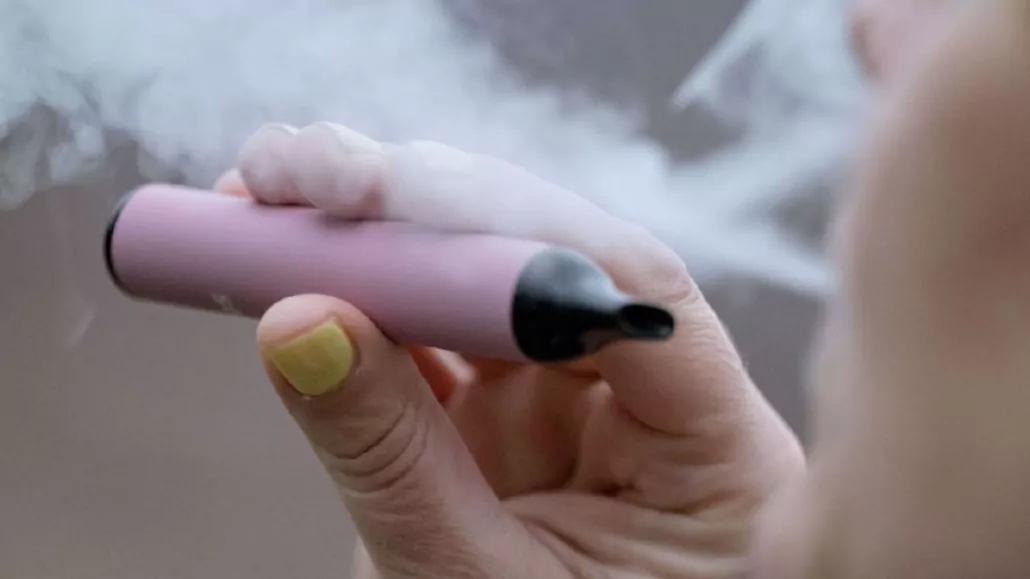
A new draft regulation by Germany’s Federal Ministry of Food, Agriculture and Consumer Protection (BMLEH) proposes banning 13 additives in e-cigarettes, including menthol. Medical experts warn this could inadvertently drive adult vapers back to more harmful combustible cigarettes and fuel a black market, arguing that while youth protection is vital, the ban overlooks the harm reduction potential of vaping compared to smoking.
Key Takeaways:
- Proposed Ban: Targets 13 additives, notably menthol, effectively limiting e-cigarette viability.
- Expert Warning: Doctors fear patients will revert to traditional smoking, which is far more harmful.
- Unintended Consequences: Potential rise in youth smoking and black market growth.
- Evidence Gap: Critics cite international studies showing e-cigarettes reduce cardiac risks compared to smoking.
A group of interdisciplinary medical experts has confirmed their opposition to a new draft regulation from the German Federal Ministry of Food, Agriculture and Consumer Protection (BMLEH). This development occurs amidst a proposal to ban 13 e-cigarette additives, including menthol, directly resulting in warnings that such a move could drive smokers back to more dangerous combustible tobacco products.
A Well-Intentioned but Misguided Ban?
The BMLEH’s proposal aims to protect young people from nicotine products, a goal shared by the medical community. However, the inclusion of menthol and other key additives in the ban is being criticized as a de facto prohibition of e-cigarettes themselves. Physicians specializing in cardiology, pulmonology, and addiction medicine argue that this creates a “disastrous steering effect.”
By removing a significantly less harmful alternative, the regulation leaves the far worse option—traditional cigarettes with burnt tobacco—readily available. The German Federal Institute for Risk Assessment (BfR) itself acknowledges that the health risks of conventional cigarettes are significantly greater than those of e-cigarettes.
International Evidence vs. Local Policy
Critics of the ban point to international data suggesting that flavor restrictions can have counterproductive results.
| Case Study | Observation | Outcome |
|---|---|---|
| San Francisco (2018) | Menthol flavor ban implemented. | Increase in youth cigarette smoking, while rates declined in areas without bans. |
| South Korea | Study of 17,000+ smokers switching to e-cigs. | Reduced serious cardiac events, comparable to quitting completely. |
| USA (FDA) | Review of menthol e-cigarettes. | Approved menthol products in 2024 after scientific review for adult smokers. |
Black Market Risks and Healthcare Impact
Beyond the immediate health implications for smokers deprived of an alternative, experts warn of broader societal costs. A ban on popular flavors like menthol is expected to fuel a black market for untested, unregulated products that bypass tax authorities and youth protection measures entirely.
The medical group urges a more intensive, expert-level debate to ensure that well-meaning regulations do not inadvertently harm the healthcare system or the very population they aim to protect.
- Read more: Disposable Vapes to be Banned in Germany by Late 2026 Under EU Regulation
- News reference: Aromaverbot – E-Zigaretten im Visier des Gesetzgebers Expertengruppe warnt vor unbeabsichtigten negativen Effekten auf das Gesundheitssystem

- Indonesia: Denpasar Updates Smoke-Free Bylaw to Tighten Vape Rules - October 20, 2026
- Teen Girls Surpass Boys in Vaping Rates, Reversing Historic Trends - October 20, 2026
- Alabama: Irondale Proposes Public Vaping Ban with Fines Reaching $200 - October 20, 2026
Related posts:
 Vaping Industry Faces Turmoil Under FDA and Trump
 Minnesota Proposed Ban on Flavored Tobacco Products
 Summerville Town Council Discusses Potential Vape and Smoke Ban in Public Areas
 Hong Kong Proposes Public Vape Ban & Flavor Restrictions
 Florida Judge Allows Key Claims in Zyn Lawsuits Over Deceptive Marketing
 South Australian Government Plans Crackdown on Illegal Tobacco and Vape Sellers with Hefty Fines and Shutdowns

