
Guam Considers New Law to License and Tax Vaping Products
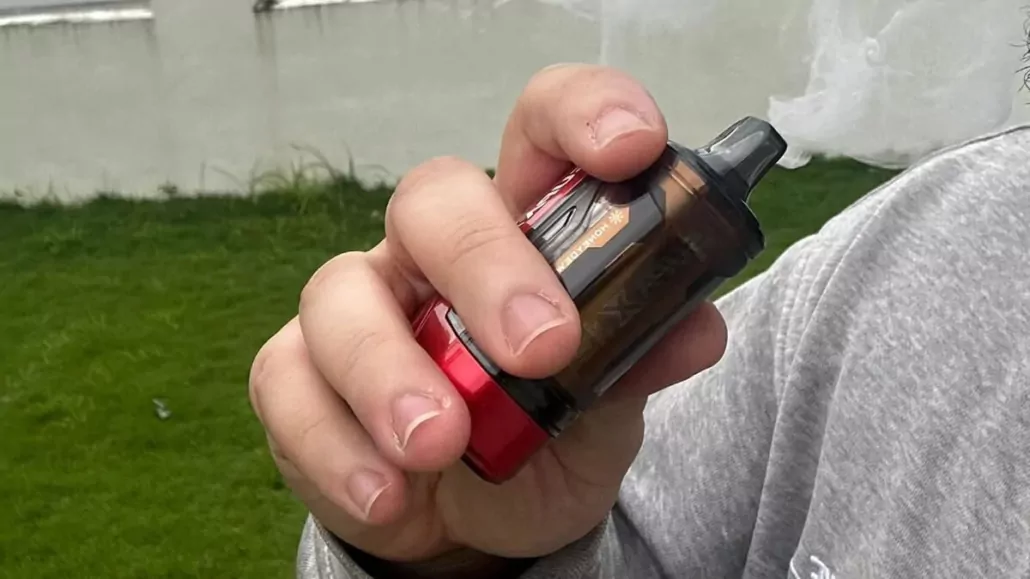
Lawmakers in Guam are debating Bill 3-38, landmark legislation that seeks to establish a comprehensive licensing and tax structure for electronic nicotine delivery systems (ENDS), including vaping devices and e-cigarette products. The bill, authored by Senator Joe San Agustin, is positioned as a crucial first step to regulate a previously uncontrolled industry, with a dual focus on protecting public health and recovering revenue for government programs like the Guam Memorial Hospital Authority.
Senator San Agustin emphasized that the bill is not about penalizing adult choices but about “protecting our young people.” Key provisions include enforcing strict age restrictions through random inspections and penalties for retailers selling to minors, and creating a clear licensing framework for both wholesalers and retailers of ENDS products.
Maria Lizama, Director of the Department of Revenue and Taxation (DRT), testified in support of the bill, highlighting the current inability to track vape consumption or revenue data as these products are not separated in tax filings. Since October 2024, 356 retail licenses and an estimated nine wholesale licenses have been filed for selling ENDS products. “Bill 3-38 COR takes that first step toward addressing ENDS products as a separate group,” Lizama said, acknowledging that while implementation will be challenging and require dedicated staff, it is a necessary move.
A significant point of discussion during the public hearing was the structure of the new tax. The DRT is still deliberating how to classify it – whether to base it on e-liquid content, device value, or apply a uniform rate to all ENDS products. Lizama personally favored a simple, across-the-board tax on all ENDS product sales initially, suggesting a better plan could emerge over time. This contrasted with Governor Lou Leon Guerrero’s suggestion to tax at the wholesale level.
However, lawmakers, including Senator Telo Taitague, raised concerns that a wholesale-level tax could lead to monopolization, as there is reportedly only one major vape product wholesaler on the island. Taitague argued for taxation at the retail “point of sale” for greater transparency and to allow small vape shops, which often import small quantities directly, to maintain flexibility. She also voiced “huge security” concerns about minors accessing vapes at gas stations and suggested restricting sales to designated, age-controlled specialty stores, a move Lizama agreed would provide “greater control.”
The limited public input on the bill, with Lizama being the sole testifier at the hearing, stirred concern among lawmakers, who noted the significance of this first step in regulating and taxing the island’s growing vape market.

- Indonesia: Denpasar Updates Smoke-Free Bylaw to Tighten Vape Rules - October 20, 2026
- Teen Girls Surpass Boys in Vaping Rates, Reversing Historic Trends - October 20, 2026
- Alabama: Irondale Proposes Public Vaping Ban with Fines Reaching $200 - October 20, 2026
Related posts:
 DOJ & FDA Seize 2.1M Illicit Vapes in Nationwide Sweep
 Washington State Rep. to Propose Flavored Tobacco Ban in Upcoming Legislative Session
 Boxers, Rappers & More Celebs Launching Vape Brands
 Indonesia to Curb Tobacco & Vape Promotions, Especially Online
 Indiana’s $2 Cigarette Tax Hike Takes Effect July 1

