
Italy Vape Tax Hike 2026: What Vapers Need to Know About Price Increases from 2026 to 2028
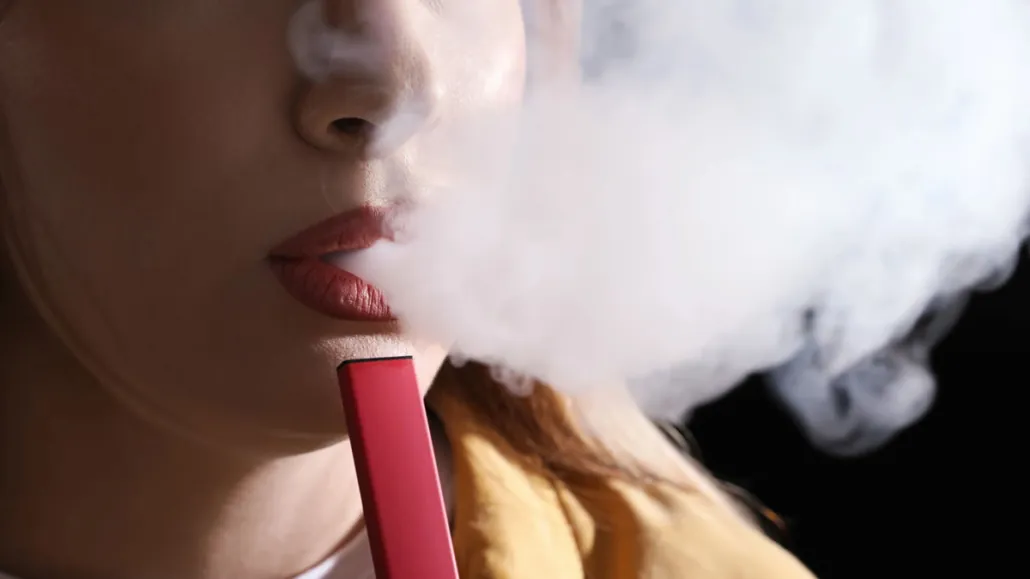
From January 1, 2026, vapers in Italy will face a noticeable increase in the cost of their habit. This isn’t just a generic price adjustment; it’s the result of specific new consumption taxes on inhalation liquids (e-liquids) outlined in the country’s Budget Law. Whether you’re a dedicated vaper, a vape shop owner, or a smoker considering the switch to e-cigarettes, understanding these upcoming changes is crucial. This guide breaks down exactly how much costs will rise, the logic behind the hikes, and the fiscal roadmap set for the industry through 2028.
The New Tax Structure: Linking Vape to Tobacco
The core of the change lies in the consumption tax on inhalation liquids, applicable to both nicotine-containing and nicotine-free e-liquids. Moving away from fixed rates per milliliter, the new system, starting in 2026, will link e-liquid tax rates directly to the excise duties on traditional tobacco using a percentage-based system. The logic is straightforward: as tobacco taxes rise, so too will the tax burden on vaping products.
The Progressive Rate Increase (2026–2028)
The tax hike isn’t a one-off event but a stepped progression over three years:
- From 2026:
- 18% for liquids with nicotine.
- 13% for liquids without nicotine.
- From 2027:
- 20% for liquids with nicotine.
- 15% for liquids without nicotine.
- From 2028 onwards:
- 22% for liquids with nicotine.
- 17% for liquids without nicotine.
Context: Comparing Current Costs (2024–2025)
To gauge the impact, it’s helpful to look at the current landscape. In 2024, the tax was approximately €0.13 per ml for nicotine liquids (about €1.33 per 10ml bottle + VAT) and €0.09 per ml for nicotine-free liquids. In 2025, rates have already nudged upwards, with nicotine liquids taxed at roughly €0.147 per ml (approx. €1.79 tax per 10ml bottle including VAT) and nicotine-free at €0.101 per ml. The sector is already feeling the pinch of rising costs, and 2026 will further elevate this fiscal pressure.
Real-World Impact: How Much Will Prices Rise?
The burning question for consumers is: how much more will I pay at the counter? Industry estimates suggest:
- Nicotine E-liquids: An average price increase of around +10%.
- Nicotine-Free Liquids (including aromas/shots): An estimated increase of around +5%.
For example, a 10ml nicotine e-liquid costing €5 today could rise to €5.50, while a nicotine-free bottle might go from €4 to €4.20. While retailers may absorb some costs or adjust formats (e.g., pushing 20ml shots), the general trend is undeniably upward.
The Long-Term Outlook: 2028 and Beyond
The 2026 hike is just the first step. By 2028, the tax burden on a 10ml bottle of nicotine e-liquid could exceed €2.30, and over €1.80 for nicotine-free versions. This means taxes could become the dominant component of the product’s final price, particularly for smaller formats. This will likely squeeze retailer margins and push the market towards larger formats or bundle offers to mitigate costs.
A “Soft” Hike? Historical Context
Interestingly, some observers note that these new rates are actually lower than the peak taxes seen in 2023 (which were around 25% for nicotine liquids). The government had significantly cut rates for 2024-2025. The new plan reinstates higher taxes but keeps them below 2023 levels, representing a compromise that aims to secure revenue without crushing the sector entirely.
Why the Increase? Revenue and Public Health
The government’s rationale is twofold:
- Fiscal Revenue: The “tobacco + vape” sector is a reliable income source. As traditional smoking declines, growing alternative markets like vaping and heated tobacco become natural targets for revenue generation. E-cigarettes are expected to contribute just under €100 million extra over the three-year period.
- Public Health: Higher prices are seen as a deterrent, particularly for young people, aligning with the broader fight against smoking.
However, experts warn that excessive taxation on reduced-harm products could be counterproductive, potentially driving users to the black market or back to more dangerous combustible cigarettes.
Conclusion: A New Era for Italian Vaping
From 2026, vaping in Italy enters a new phase where it is increasingly treated as a full-fledged member of the “tobacco world” in terms of regulation and taxation. While the economic advantage over traditional smoking remains, it is narrowing. Consumers and businesses will need to navigate this shifting landscape carefully, paying close attention to price changes and product choices as the tax burden progressively increases through 2028.

- Indonesia: Denpasar Updates Smoke-Free Bylaw to Tighten Vape Rules - October 20, 2026
- Teen Girls Surpass Boys in Vaping Rates, Reversing Historic Trends - October 20, 2026
- Alabama: Irondale Proposes Public Vaping Ban with Fines Reaching $200 - October 20, 2026
Related posts:
 Denver Flavored Nicotine Ban Takes Effect Jan 1, 2026
 UK Retailers on the Tobacco and Vapes Bill: “A Licence to Sell, Not to Suffer”
 Denver Vape Ban Lawsuit: Shop Owners Sue Over “Unconstitutional” Rules
 California Requires Thirdhand Smoke Disclosure in Home Sales
 Philippines Hikes Cigarette & Vape Taxes for 2026: New Rates Explained
 Russia Platform Law Excludes Alcohol/Tobacco Sales

