UK Retailers on the Tobacco and Vapes Bill: “A Licence to Sell, Not to Suffer”
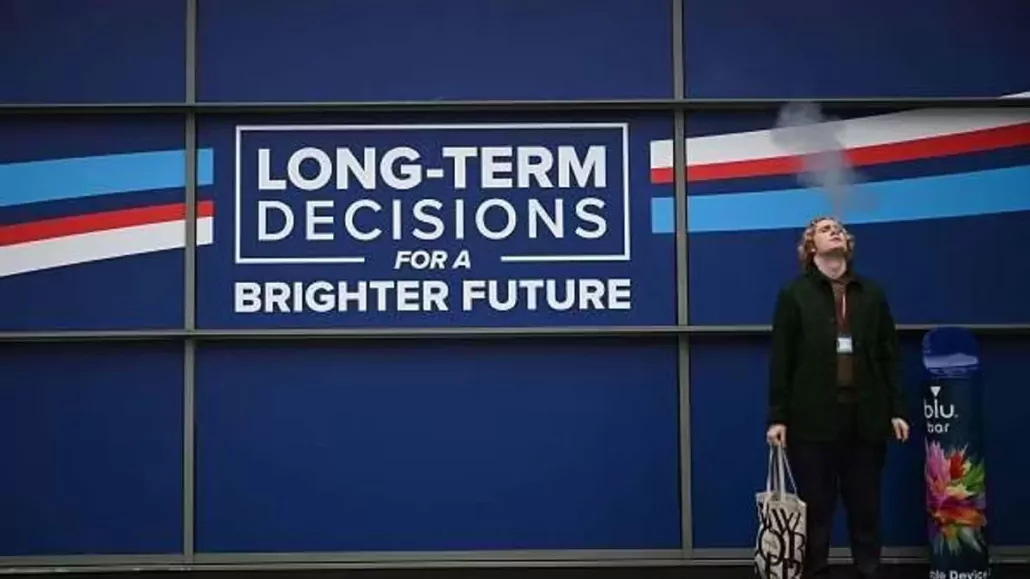
As the United Kingdom’s landmark Tobacco and Vapes Bill works its way through Parliament, the convenience retailers who stand on the frontline of its implementation are raising their voices. They are calling for smarter, more practical nicotine policies that target the real problem – the booming illicit market – rather than penalizing compliant, tax-paying businesses. While there is broad support in principle for a national licensing scheme to sell tobacco and vape products, retailers are warning that unless it is fair, practical, and properly enforced, the new regulations could misfire, punishing the law-abiding while allowing criminal offenders to slip through the cracks. When it comes to the proposed generational smoking ban, however, the sentiment shifts from cautious optimism to deep-seated skepticism and disbelief.
The Tobacco and Vapes Bill proposes sweeping changes for the UK. Key provisions include phasing out the sale of tobacco products over time through a generational smoking ban (for those born on or after January 1, 2009), creating vape- and heated-tobacco-free zones, curbing the marketing of nicotine products to children, and, crucially, introducing a comprehensive licensing scheme for selling tobacco, vape, and nicotine products across England, Wales, and Northern Ireland. With a recent call for evidence on aspects like vape ingredients, flavorings, and nicotine levels, the debate around the bill’s provisions has intensified.
The Licensing Scheme: A Double-Edged Sword?
The introduction of a national licensing scheme for the retail sale of tobacco was a primary recommendation from the 2022 Khan review, intended to support legitimate businesses and help tackle the illicit trade. Most convenience retailers agree that the illicit market, which has expanded from traditional tobacco to include a flood of illegal vapes, must be addressed. However, they question whether lawmakers in Westminster truly grasp the realities of life behind the counter.
Judith Smitham, a retailer based in Truro, summed up the long-standing frustration: “Illicit tobacco has been around forever, and we retailers have learned to live with it… Sale of illicit vapes, however, emerged lately in plain sight and is more complex.” She noted that with hundreds of brands and flavors, even responsible sellers and customers struggle to differentiate between legal and illegal products. A licensing scheme, she argued, could empower authorities to “chase and close up illegal traders.”
Retailers have clear ideas on what a fair licensing system should look like:
- Simple and Integrated Criteria: Many believe the criteria should be straightforward. Vidur Pandya, a young retailer from Kislingbury, suggested that tobacco and vape licensing should be tied directly to existing alcohol licensing, creating “one umbrella licence to sell age-restricted products.” Judith Smitham echoed this, suggesting that if a store already holds an alcohol license, implying it’s a responsible retailer, it should be an automatic grant for a tobacco and vape license, unless there’s a history of underage sales of any kind.
- Fair Fee Structure: Mos Patel, a multi-site operator in Gloucestershire, warned that the scheme should not become a “money-making exercise for authorities” or a means to “penalise compliant retailers.” Retailers advocate for a low, flat annual fee (ideally under £100, as suggested by Croydon retailer Benedict Selvaratnam), pegged to business rates rather than inflated through bureaucracy, to avoid punishing independent stores already facing high operational costs.
- Digital and Efficient Process: Salford-based retailer Priyesh Vekaria called for a national digital licensing portal that allows for “one form, one login, and one payment, with automatic data sharing to local authorities.” He stressed, “Retailers can only comply with what they understand and can realistically execute.” This would reduce red tape and administrative burdens.
- Focus on Compliance, Not Proximity: There is a strong consensus against using store location or proximity to other retailers as a licensing criterion. “It shouldn’t matter if two or three stores are close to each other. Are they going to stop Sainsbury’s and Tesco within half a mile of each other from having a licence? Probably not,” Smitham noted. The focus should be on a retailer’s compliance track record.
Vekaria proposed a “Retail Responsibility Scorecard,” automatically generated from Trading Standards and enforcement data, to create a risk-based map for granting licenses. The overarching sentiment is that a well-designed licensing system could level the playing field and help legitimate community retailers flourish by filtering out illegal operators. “Right now, retailers who follow the rules are paying the price for those who do not. That is a moral and operational imbalance that must be corrected,” Vekaria stated.
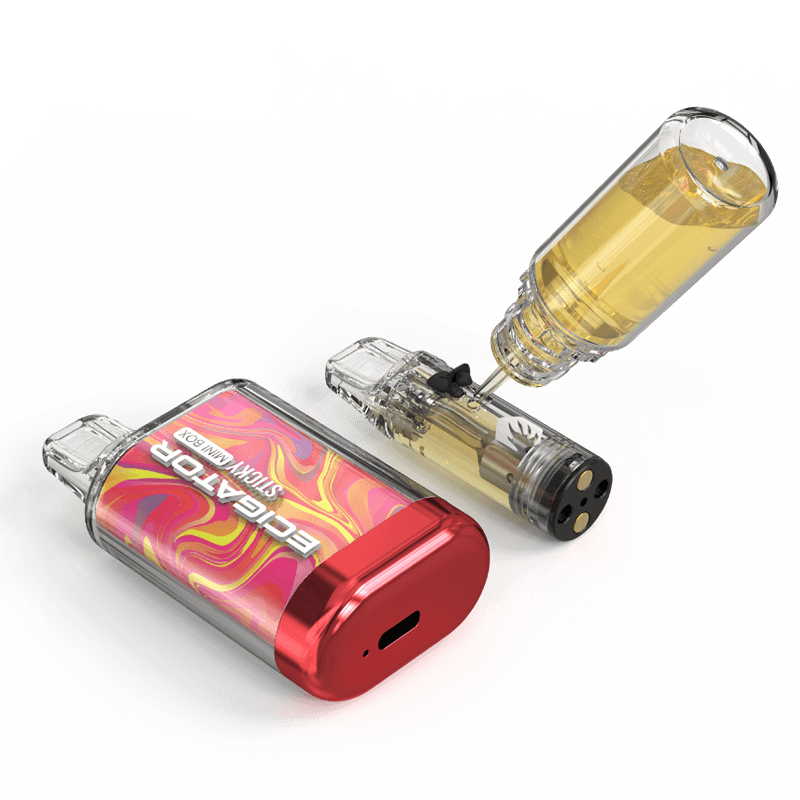
Ecigator Sticky Open Pod Kit (Box)
The Sticky Open Pod Kit is a contemporary vaping device that combines functionality with fashion. This kit is designed with a box-style form factor, offering a compact and stylish appearance that’s ideal for vaping enthusiasts on the move.
At the heart of this kit is a Refillable Open Pod System, with a capacity of 2ml, perfect for accommodating a variety of e-liquids. The pod is equipped with a high-quality Mesh Coil that not only ensures a rich and flavorful vaping experience but also boasts durability for up to 8 Refills.
The Generational Ban: “Noble in Intent but Flawed in Execution”
If the licensing proposal inspires cautious optimism, the proposed generational smoking ban elicits a near-universal cry of disbelief and concern from retailers. The ban would make it illegal to sell tobacco products to anyone born on or after January 1, 2009, creating a new legal purchasing age that increases by one year, every year.
Retailers on the ground fear this phased ban will be unworkable, divisive, and ultimately destructive to legitimate trade while fueling the very black market it aims to diminish.
- Implementation Chaos: Priyesh Vekaria painted a vivid picture of the chaos at the counter: “Each year, staff will face the impossible task of explaining to one 28-year-old why they can buy a pack and to a 27-year-old why they cannot. This is a conflict waiting to happen, and for what outcome?” Retailers argue this will place an impossible burden on frontline staff, who already face abuse and anti-social behavior when enforcing age restrictions.
- Fueling the Illicit Market: Judith Smitham believes the ban will be “disastrous,” stating it will be “impossible to implement and will further drive the sale of illicit tobacco and vapes.” She pointed to New Zealand, which passed a similar generational ban bill in 2022 only to repeal it a year later, citing concerns about the growth of the black market and the need to protect small businesses. Mos Patel agreed, calling the ban “overly restrictive and unrealistic in practice” and warning that enforcement “will be extremely difficult.”
- Shift of Onus and Proxy Sales: Vidur Pandya highlighted that the onus falls entirely on the retailer, with no responsibility placed on manufacturers, wholesalers, or even the customers attempting to circumvent the law. He predicted a surge in proxy sales, where a slightly older friend buys in bulk for their friends who are just months younger, or where individuals buy in bulk to sell illegally.
- A Call for a Simpler Alternative: Instead of a rolling age ban, many retailers, like Vekaria, advocate for a clear, consistent smoking age of 21, integrated with robust digital ID verification at the point of sale.
Kay Patel, a West Midlands-based retailer, argued for shared responsibility across the entire supply chain, rather than placing the full enforcement burden on retailers. “A truly effective solution will require collaboration… incorporating manufacturer-level safeguards, smarter age-verification point of use technology, and meaningful support for retailers,” she said.
Conclusion: A Clarion Call from the Shop Floor
The Tobacco and Vapes Bill has the potential to redefine nicotine regulation in the UK, but its success hinges on whether it targets the real offenders – the illicit traders operating outside the law – rather than overburdening the compliant convenience retailers who are already part of a tightly regulated system. The message from the shop floor is clear: retailers are not rejecting reform, but they are asking for it to be practical, enforceable, and sensible. They are willing partners in public health goals, but they cannot be expected to police flawed or unworkable policies that may ultimately create more problems than they solve. As the bill progresses, the question remains: will Westminster listen to the voices on the frontline? The answer will determine whether the Tobacco and Vapes Bill becomes a milestone in modern British retail regulation or a cautionary tale of good intentions gone awry.

- Indonesia: Denpasar Updates Smoke-Free Bylaw to Tighten Vape Rules - October 20, 2026
- Teen Girls Surpass Boys in Vaping Rates, Reversing Historic Trends - October 20, 2026
- Alabama: Irondale Proposes Public Vaping Ban with Fines Reaching $200 - October 20, 2026