
Malaysia’s Online Vape Ban Drives Market into “Digital Speakeasies”
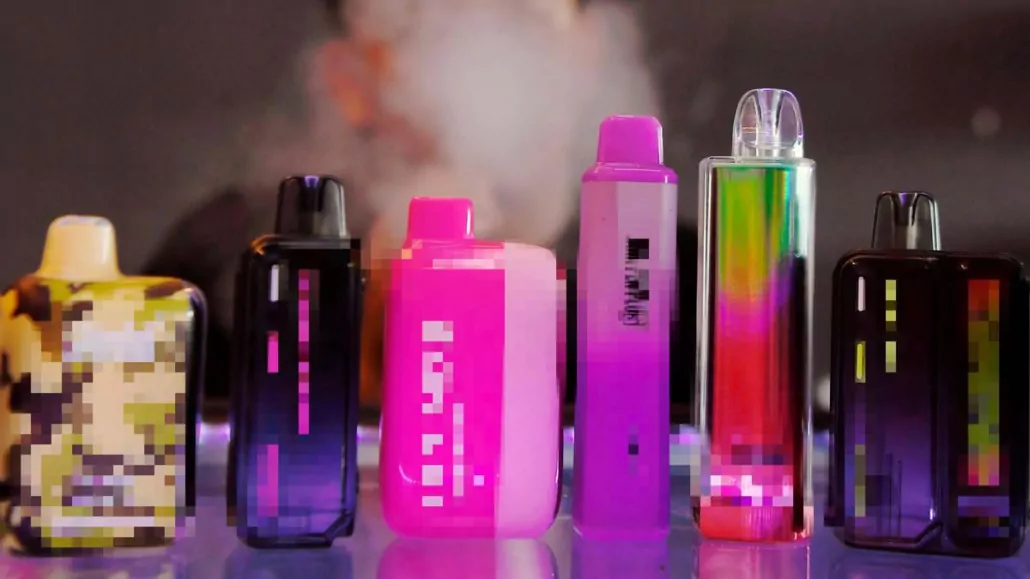
Malaysian authorities are struggling to contain a rapidly growing underground digital vape market following the implementation of the Control of Smoking Products for Public Health Act (Act 852). This legislative crackdown has inadvertently transformed the online trade into exclusive, invite-only networks operating entirely out of regulators’ reach.
While public e-commerce platforms like Shopee and Lazada have successfully scrubbed vape listings, the illicit trade has adapted. To buy a vape online today, a credit card is no longer enough; buyers must navigate closed-loop networks where administrators verify referrers before granting access to unapproved products.
Cybersecurity experts warn that traditional enforcement methods, such as blocking websites, are virtually useless against this new wave of digital black markets.
Fong Choong Fook, CEO of cybersecurity firm LGMS, noted that sellers have moved past conventional websites. “They operate over forums, chat groups, and Telegram groups,” Fong explained, adding that taking action on encrypted platforms requires lengthy, cross-border cooperation with social media providers.
Tracking the financial trail of these illicit transactions also presents a significant challenge for law enforcement:
- Mule Accounts: Payments made via e-wallets or direct bank transfers frequently lead investigators to financial “mules” rather than the actual syndicates.
- Payment Fragmentation: Transactions are often highly fragmented across multiple digital wallets and intermediaries, diluting the investigative trail.
- Jurisdictional Delays: Obtaining metadata and platform cooperation involves complex legal processes that slow down active investigations.
Despite these hurdles, Dr. M. Selvakumar, director of the Universiti Sains Malaysia Cybersecurity Research Centre, insists that enforcement is difficult but not impossible. He emphasizes that combining public complaints, undercover operations, device seizures, and anti-money-laundering controls can still help authorities piece together actionable intelligence.
To curb the underground boom, cybersecurity specialists are calling for stiffer penalties for online sales to minors and the introduction of transparent public reporting mechanisms, including financial rewards for tip-offs.

- Indonesia: Denpasar Updates Smoke-Free Bylaw to Tighten Vape Rules - October 20, 2026
- Teen Girls Surpass Boys in Vaping Rates, Reversing Historic Trends - October 20, 2026
- Alabama: Irondale Proposes Public Vaping Ban with Fines Reaching $200 - October 20, 2026
Related posts:
 Dutch Vape Flavor Ban Fuels Black Market and Doubles Youth Vaping
 India Rejects Philip Morris, Keeps E-Cigarette & Heated Tobacco Ban
 Poland Disposable Vape Ban Debate: Concerns Raised
 New York Voters Reject Proposed 75% Nicotine Pouch Tax
 Alabama to Ban Indoor Vaping by Classifying it as Smoking
 Denver Flavored Tobacco & Vape Ban Faces Voter Repeal

