NJOY Sues FDA Over Flavored Vape Application Delays
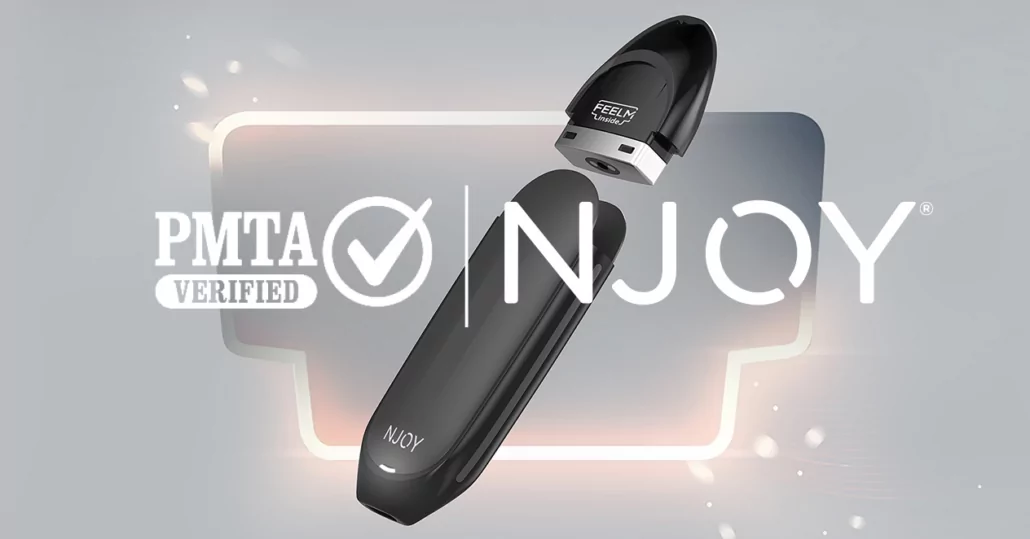
NJOY LLC, a subsidiary of tobacco giant Altria Group, has filed a federal lawsuit against the U.S. Food and Drug Administration (FDA), accusing the agency of unlawfully delaying its review of applications to market flavored e-cigarettes. The lawsuit, filed on August 21, 2025, in the Western District of Louisiana, argues that the FDA’s inaction has effectively created a “de facto flavor ban” on NJOY’s products, hindering its ability to provide adult smokers with reduced-risk alternatives while allowing a flood of unauthorized, illicit flavored disposable vapes to dominate the U.S. market.
The lawsuit names the FDA, its parent department HHS, FDA Commissioner Martin Makary, HHS Secretary Robert F. Kennedy, Jr., and acting CTP Director Bret Koplow as defendants. At the heart of the complaint is the FDA’s handling of NJOY’s Premarket Tobacco Product Applications (PMTAs) for its NJOY DAILY disposable e-cigarettes, which were submitted in 2020. While the FDA granted marketing authorization for the tobacco and menthol versions of the DAILY in June 2022, it issued Marketing Denial Orders (MDOs) for four fruit-flavored versions (Blue + Black Berry, EXTRA Blue + Black Berry, Watermelon, and Tropical Twist), despite them being identical in composition and design, differing only in flavor.
NJOY immediately filed an internal appeal in October 2022. According to the lawsuit, the FDA has failed to act on this appeal for nearly three years, a delay NJOY argues is a violation of the Administrative Procedure Act and statutory deadlines under the Tobacco Control Act, which stipulates a 180-day review period for PMTAs.
The company claims it has provided substantial scientific evidence to address the FDA’s initial deficiency concerns. This includes a longitudinal cohort study of over 3,600 adults showing that the fruit-flavored products had significantly higher rates of complete switching from cigarettes compared to the tobacco and menthol versions (29-68% higher at six months). Furthermore, NJOY argues that documents obtained through a Freedom of Information Act request revealed that the FDA’s own internal epidemiology staff concluded that the company had adequately addressed the flavor-specific deficiency and that the products were associated with higher cessation rates. The documents also allegedly showed that NJOY’s proposed strict marketing and age-verification controls would mitigate concerns about potential youth initiation.
NJOY’s lawsuit highlights several key grievances:
- Inconsistent Standards: Approving tobacco and menthol flavors while rejecting identical products with fruit flavors.
- Ignoring Evidence: Failing to consider the scientific data on switching rates and youth perception that NJOY submitted.
- Procedural Delays: Taking over 800 days to issue the initial denial and nearly three years (and counting) to rule on the internal appeal.
- Market Imbalance: The FDA’s inaction on legitimate applications has allowed the U.S. market to be overrun by illegal, unauthorized disposable vapes.
NJOY is asking the court to compel the FDA to make a final decision on its long-pending appeal. The lawsuit underscores the growing tensions between regulated industry players seeking a legal pathway for flavored alternatives and an FDA struggling with a massive backlog of applications amidst a complex and evolving market.

- Indonesia: Denpasar Updates Smoke-Free Bylaw to Tighten Vape Rules - October 20, 2026
- Teen Girls Surpass Boys in Vaping Rates, Reversing Historic Trends - October 20, 2026
- Alabama: Irondale Proposes Public Vaping Ban with Fines Reaching $200 - October 20, 2026