
NJOY vs. Elf Bar: Inside the Lawsuit Banning Flavored Vapes in CA
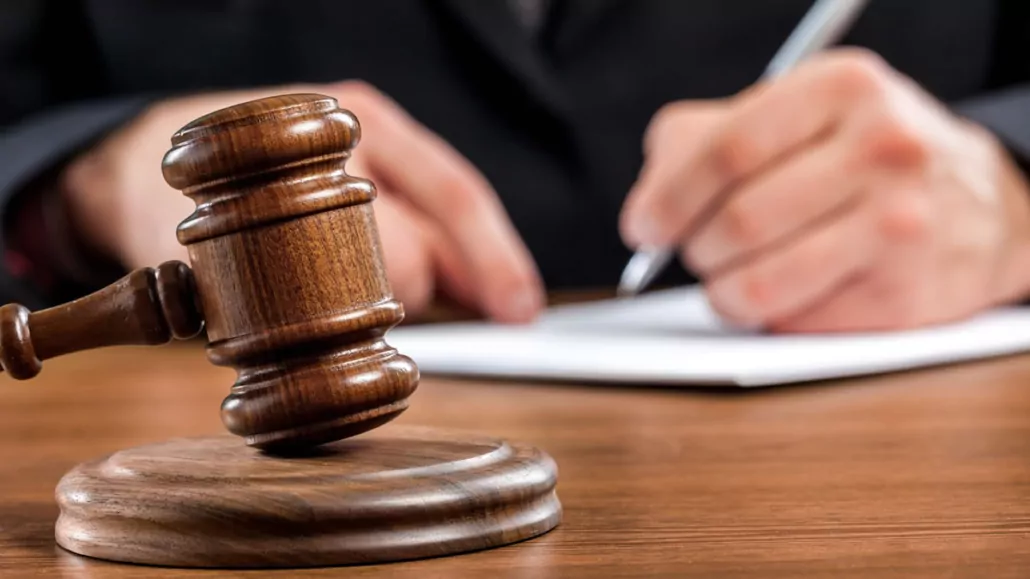
In a significant development for the U.S. vaping industry, the manufacturers of the popular but unauthorized Elf Bar brand have agreed to a permanent injunction, ceasing the sale and shipment of all their flavored disposable vape products in California. This agreement is the culmination of a nearly two-year legal battle initiated by NJOY, LLC, the e-cigarette company owned by tobacco giant Altria Group. The lawsuit, filed in the U.S. District Court for the Southern District of California, accused multiple defendants involved in the manufacturing, distribution, and sale of flavored disposable vapes of engaging in unfair competition and violating federal law, thereby harming NJOY’s market for its legally authorized, tobacco-flavored products. This case and its resolution offer a fascinating look at the high-stakes legal strategies being employed to combat the flood of illicit flavored vapes in the United States.
The Heart of the Lawsuit: Unfair Competition in a Regulated Market
The core of NJOY’s legal argument was that the defendants were operating on an uneven playing field. NJOY, as a manufacturer, has invested significant time and resources into navigating the U.S. Food and Drug Administration’s (FDA) rigorous Premarket Tobacco Product Application (PMTA) process. This process is the only legal pathway for new tobacco products (including vapes) to be marketed in the U.S. As of the time of the lawsuit, NJOY was one of the very few companies to have successfully obtained FDA marketing authorization for its e-cigarette products, specifically the NJOY Daily and NJOY ACE tobacco-flavored devices.
In stark contrast, NJOY alleged that the defendants – a wide-ranging group including Chinese manufacturers like iMiracle (HK) Ltd. and Shenzhen iMiracle Technology Co., Ltd. (the makers of Elf Bar), as well as U.S.-based online and brick-and-mortar retailers – were flooding the market with flavored disposable vapes that lacked the required FDA premarket authorization. These products, including wildly popular brands like Elf Bar, EB Create, Lost Mary, and Funky Republic, were therefore considered “adulterated and misbranded” under federal law. Furthermore, their sale in California directly violated the state’s comprehensive ban on flavored tobacco products (Cal. Health & Safety Code § 104559.5).
NJOY’s complaint asserted that this widespread availability of illegal, low-cost, and flavored products constituted unfair competition under California’s Unfair Competition Law (UCL). The company argued that it was suffering substantial economic harm, including lost sales and eroded market share, because consumers were being diverted from its legal, FDA-authorized, tobacco-flavored products to the defendants’ illegal flavored alternatives. NJOY also alleged that some defendants violated the federal Prevent All Cigarette Trafficking (PACT) Act by failing to comply with shipping, age verification, and tax registration requirements.
Key Legal Maneuvers and Court Rulings
The case, *NJOY, LLC v. iMiracle (HK) Ltd., et al.*, saw a series of complex legal arguments and procedural challenges. The defendants filed multiple motions to dismiss, arguing, among other things, that NJOY lacked legal standing and that its claims were preempted by federal law (specifically, that NJOY was attempting to privately enforce the Federal Food, Drug, and Cosmetic Act, a power reserved for the FDA).
In a key order dated December 20, 2024, U.S. District Judge Cynthia Bashant largely denied the defendants’ motions to dismiss, allowing the case to proceed. The court found that NJOY had sufficiently alleged “injury in fact” – a plausible claim of economic harm due to the defendants’ unfair competitive practices. The court acknowledged NJOY’s argument that by circumventing costly regulatory compliance, the defendants gained an unfair advantage that undermined NJOY’s market position.
The court did, however, dismiss certain parts of NJOY’s claim that were based on product labeling, finding that these were preempted by federal law which gives the FDA exclusive authority over labeling requirements. But crucially, the court allowed claims based on misleading website representations and, most importantly, the violation of California’s state-level flavor ban to move forward. This ruling affirmed that a company could sue its competitors for engaging in unlawful business practices that cause it direct competitive harm.
The lawsuit initially targeted a broad array of 34 manufacturers, distributors, and retailers of various popular disposable vape brands. However, an earlier court ruling found that many of these defendants were improperly joined in a single case, leading NJOY to narrow its focus primarily to the manufacturers and key distributors of the Elf Bar family of products in this specific legal action.
The Settlement: A Permanent Injunction in California
After months of litigation, including the court granting a preliminary and then a permanent injunction against several brick-and-mortar retailers in 2024 and early 2025, NJOY and the iMiracle defendants (Elf Bar’s manufacturers) entered into settlement negotiations. In October 2025, the parties filed a joint motion for a permanent injunction to resolve the lawsuit.
Under the terms of this agreement, the iMiracle defendants, while denying all allegations of liability, consented to a court-enforced permanent injunction. This injunction prohibits them from:
- Selling or shipping any flavored disposable e-cigarette products to consumers, retailers, wholesalers, or distributors within the state of California.
- Shipping these products to any location outside of California if they “know or should have reason to know” that the products are likely to be resold into the California market.
This settlement effectively marks the exit of the Elf Bar line of flavored disposable vapes from the legal market in California. The injunction has the force of a court order, meaning any violation would be considered contempt of court, potentially leading to severe penalties. The agreement does include a condition: the injunction will automatically terminate if California’s law banning flavored tobacco products is repealed or significantly amended in the future.
This type of resolution, where a defendant agrees to an injunction to end a lawsuit without admitting guilt, is sometimes referred to as a “litigation-injunction trade-off.” It allows the defendant to avoid a potentially costly and lengthy trial and a formal judgment of liability, while providing the plaintiff with their primary desired outcome – in this case, stopping the competitor’s allegedly illegal activity in the target market.
Broader Implications for the U.S. Vape Market
The successful outcome of NJOY’s lawsuit in California has several significant implications for the broader U.S. vaping industry:
- A New Enforcement Pathway: This case establishes a powerful precedent. It demonstrates that companies that have invested in obtaining FDA marketing authorization can use state unfair competition laws to take direct legal action against competitors selling unauthorized, illicit products. This provides a private enforcement mechanism that complements the FDA’s own, often slower, enforcement efforts.
- Increased Pressure on Illicit Market Actors: The threat of costly civil litigation from well-funded competitors like Altria/NJOY adds a significant new layer of risk for manufacturers and distributors of unauthorized flavored vapes. This could lead to a reduction in the availability of such products, at least in states with strong unfair competition laws and existing flavor bans.
- A Potential “Win” for Big Tobacco’s Vape Brands: Critics of this strategy argue that it primarily benefits the large tobacco companies that own the few FDA-authorized vaping products. By using litigation to clear the market of popular (albeit unauthorized) flavored competitors, companies like Altria can consolidate market share for their own, typically tobacco-flavored, vaping products. This raises complex questions about whether such actions ultimately serve public health by reducing illicit products or harm it by limiting the variety of alternatives available to adult smokers.
- Focus on State-Level Enforcement: The lawsuit’s success was heavily tied to the clear violation of California’s state flavor ban. This suggests that similar legal strategies will be most effective in the growing number of states and localities that have enacted their own flavor bans or PMTA registry laws, which create a clear line between legal and illegal products at the state level.
Conclusion: A Legal Battle with Lasting Consequences
The NJOY vs. iMiracle lawsuit is more than just a corporate dispute; it’s a pivotal chapter in the ongoing struggle to define the future of the U.S. vaping market. By leveraging state law to challenge federally unauthorized competitors, Altria’s NJOY has successfully demonstrated a new and potent strategy for enforcing a semblance of order in a market flooded with illicit products. The permanent injunction against Elf Bar in California is a major victory for NJOY and a significant blow to one of the most popular disposable vape brands in the country. As this legal playbook is likely to be replicated in other jurisdictions, the case will have lasting consequences, potentially accelerating the consolidation of the legal vape market in the hands of the few companies that have successfully navigated the FDA’s demanding regulatory process, while intensifying the pressure on the vast illicit market for flavored disposable e-cigarettes.
Press source:
[1] NJOY LLC v. IMIRACLE HK LTD United States District Court, S.D. California.
[2] NJOY_LLC_v_iMiracle_Limited.pdf
[3] NJOY, LLC v. Imiracle (HK) Limited et al

- Mexico Passes Stricter Tobacco Law as Experts Warn of Cartel Trade - October 9, 2026
- FDA Tobacco Review Delays Threaten Public Health, GAO Report Reveals - October 9, 2026
- USA Northeast Vape Laws in 2026: State Taxes & Flavor Bans - October 9, 2026
Related posts:
 Scottish Retailers Voice Opposition to a Total Ban on Disposable Vapes
 Iowa Sets the Standard for Vaping Regulation, Urges FDA to Follow Suit
 New Jersey Warns 11,000 Businesses Against Selling Flavored Vape Products
New Jersey Governor Signs Law Banning Sale of Flavored Vaping Products
New Jersey Warns 11,000 Businesses Against Selling Flavored Vape Products
New Jersey Governor Signs Law Banning Sale of Flavored Vaping Products
 Democrats Propose Bill to Close Tobacco Tax Loopholes and Reduce Use
 U.S. Vape Market: Distributors, Trends, and Growth

