
Oklahoma Prisons Introduce E-cigarettes and Nicotine Pouches
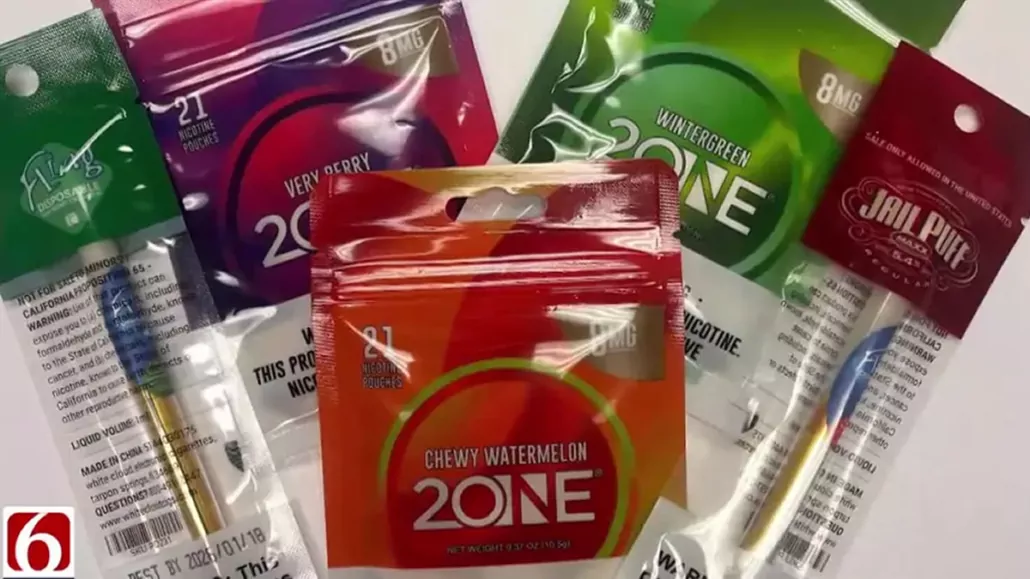
The Oklahoma Department of Corrections (ODOC) has implemented a significant policy shift, permitting the sale of e-cigarettes and nicotine pouches to inmates. While officials argue this measure will curb the violent black market for tobacco and reduce inmate stress, critics raise concerns about addiction, high costs for families, and the long-term health implications for the prison population.
Policy Shift: From Prohibition to Profit
In a rapid departure from its longstanding tobacco-free mandate, the Oklahoma Department of Corrections has moved to make nicotine products widely available within its facilities. Effective March 3, 2026, a new policy exemption allows inmates to purchase approved e-cigarettes for $11.50 and nicotine pouches for $10.50. These prices are substantial, often exceeding what many prisoners earn in a full eight-hour workday.
The financial incentives for the agency are clear. On the very first day of sales, the ODOC reported approximately $15,000 in revenue. With profit margins often exceeding 300%, the program mirrors the lucrative model seen in the Tulsa County Jail, which sold 80,000 e-cigarettes in 2025, generating $1 million in profit. ODOC spokesperson Kay Thompson stated that proceeds will be allocated to the Employee and Inmate Wellness Fund, which supports prison programs and indigent supplies.
Violence Reduction and Contraband Control
The primary justification for this policy change is the mitigation of violence associated with the illicit tobacco trade. Since the mid-2000s ban on cigarettes, contraband tobacco has fueled debt, extortion, and physical altercations among inmates. Thompson argues that providing a legal, regulated avenue for nicotine consumption will stabilize the prison environment.
“This is going to reduce violence because people aren’t going into debt for cigarettes,” Thompson explained. “If you’re smoking on the outside, and then all of a sudden have to go cold turkey, that’s rough.”
The approved e-cigarettes, manufactured by Jail Puff Max, feature anti-tampering seals and are designed to last three to five days. Consumption is strictly limited to designated outdoor spaces, and prison staff are also permitted to purchase and use the products during their shifts.
Mixed Reactions: Relief vs. Financial Burden
For families of the incarcerated, the policy brings both relief and financial strain. Emily Barnes, founder of the advocacy group Hooked on Justice, views the change as a net positive. She notes that families often spend upwards of $500 per month supporting a loved one’s contraband habit, risking severe disciplinary action for the inmate if caught. Legal access eliminates the risk of “class-X misconduct” charges that can wipe away earned credit.
However, Bonnie Charlton, whose fiancé is incarcerated at the Allen Gamble Correctional Center, expressed concerns about the cost. “Us as family members are stuck buying everything for them,” she said. “A lot of us are on budgets, so it’s kind of like they’re not just punishing them, they’re punishing the families as well.” Charlton also fears that the availability of addictive products without robust cessation support could hook prisoners who previously did not use nicotine.
Expert Verdict: A Complex Trade-Off
The introduction of nicotine products into Oklahoma prisons represents a complex trade-off between immediate operational stability and long-term public health. While the move will likely disrupt the dangerous contraband market and generate significant revenue for inmate welfare programs, it also institutionalizes addiction within a vulnerable population. The success of this policy will depend on whether the revenue generated is genuinely reinvested into rehabilitation and whether the reduction in violence outweighs the potential long-term health costs to taxpayers.

- Mexico Passes Stricter Tobacco Law as Experts Warn of Cartel Trade - October 9, 2026
- FDA Tobacco Review Delays Threaten Public Health, GAO Report Reveals - October 9, 2026
- USA Northeast Vape Laws in 2026: State Taxes & Flavor Bans - October 9, 2026
Related posts:
 St. Petersburg Legislators Demand Stricter Vape Packaging Regulations, Call for Complete Ban
 Swedish Health Experts Report E-cigarette Use Helps Reduce Smoking Rate to Below 5%
 Man Builds “Dodgy E-Bike” from 130 Used Disposable Vapes
 Italy Introduces New E-Cigarette Tax and Online Nicotine Sales Ban in 2025

