
How Has Russia’s Battle Against Smoking Evolved Into a Vape Ban?
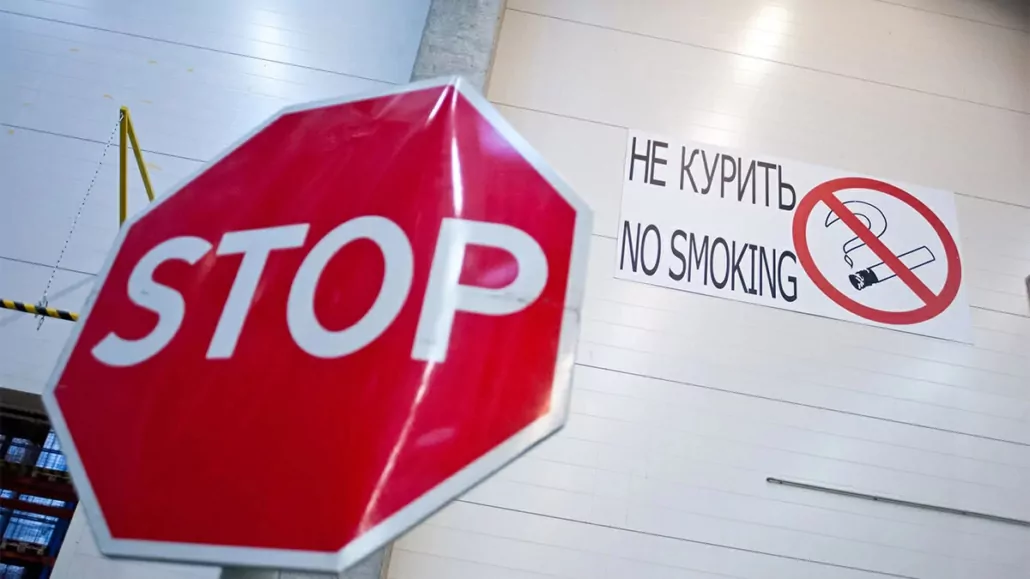
Russia’s anti-smoking strategy has undergone a radical transformation over the last 25 years, evolving from basic restrictions on cigarette sales in the early 2000s to implementing one of the world’s strictest anti-tobacco regimes in the 2010s. Currently, the focus has shifted decisively towards electronic nicotine delivery systems, culminating in a legislative push in late 2025 for a complete ban on the sale of all vaping products. This trajectory reflects a persistent government effort to combat high mortality rates and youth addiction by adapting regulations to cover emerging nicotine technologies.
Key Takeaways:
- Early Struggle: The 2000s began with high smoking rates and initial laws banning sales to minors.
- Comprehensive Reform: The 2013 law (No. 15-FZ) introduced sweeping bans on public smoking and advertising.
- Vape Crackdown: Recent years unified vape and tobacco laws, banning sales to minors and online trade.
- Total Prohibition: 2025 amendments propose a complete ban on vape sales to eliminate “liquid poison.”
Russia’s anti-smoking policy refers to a progressive series of legislative and public health measures aimed at reducing the consumption of tobacco and nicotine-containing products. Over the past quarter-century, this policy has expanded from simple age restrictions on cigarettes to a comprehensive regulatory framework that now threatens the very existence of the vaping industry within the country.
The 2000s: Initial Steps and International Alignment
At the turn of the 21st century, Russia faced a dire public health situation. It ranked among the countries with the highest prevalence of tobacco smoking globally, a legacy of widespread availability and social acceptance. A 2017 WHO report, prepared by Russian health specialists, highlighted the severity of the crisis, prompting the government to initiate its first major legislative interventions.
The First Major Law: Restriction of Tobacco Smoking (2001)
The first significant step in modern Russia’s fight against this harmful habit was the adoption of the Law on the Restriction of Tobacco Smoking in 2001. This document laid the foundation for future regulations by introducing several key measures:
- Youth Protection: It explicitly prohibited the sale of cigarettes to minors, a crucial first step in curbing early addiction.
- Product Standards: The law established maximum permissible levels for harmful substances like tar and nicotine in cigarettes.
- Consumer Awareness: Manufacturers were required to place warning labels on packs about the dangers of smoking, and authorities were instructed to inform the public about health risks.
In the years following, amendments were made to prohibit smoking in specific locations such as workplaces, public transport, schools, and hospitals. Restrictions were also placed on outdoor advertising and the sale of single cigarettes.
The Rise of Female and Adolescent Smoking
Despite these initial measures, the smoking epidemic continued to grow in specific demographics. Aggressive marketing policies by tobacco companies targeted women and adolescents, leading to concerning trends:
- Women: While male smoking rates remained high but stable (around 62.6%), the proportion of female smokers doubled to 20.3% by 2004.
- Adolescents: Surveys showed that 27.5% of boys and 24.4% of girls were current smokers, with even higher percentages having experimented with tobacco.
Recognizing the need for a more robust, global approach, Russia actively participated in developing the WHO Framework Convention on Tobacco Control (FCTC). Russia acceded to the convention in 2008, leading to the establishment of a National Coordination Council for Tobacco Control involving 12 ministries.
The 2010s: Implementing “The Most Comprehensive Anti-Smoking Law”
The 2010s marked a period of aggressive legislative action. In 2010, the “National Strategy to Combat Smoking” was prepared, setting ambitious targets to reduce tobacco consumption by 10-15% and cut passive smoking exposure in half. This strategy culminated in the adoption of Law No. 15-FZ in 2013, replacing the 2001 legislation.
Key Provisions of Law No. 15-FZ (2013)
This law was hailed by the WHO as “one of the most comprehensive anti-tobacco laws in the world.” It introduced a wide array of strict prohibitions designed to denormalize smoking:
| Regulatory Area | Specific Measures |
|---|---|
| Public Smoking Bans | Complete ban on smoking in public places, including areas adjacent to medical, educational, sports, and cultural institutions. Extended to bars, restaurants, hotels, and trains in 2014. |
| Advertising & Display | Total ban on tobacco advertising and the display of products at points of sale. Cigarettes could only be sold in shops, not kiosks without a sales area. |
| Pricing & Taxation | Implementation of annual price increases for tobacco products to reduce affordability. |
| Packaging | Mandatory graphic health warnings covering at least 50% of the pack’s area, demonstrating negative health consequences. |
Tangible Results of the 2013 Law
The impact of these stringent measures was significant and measurable. By 2015, cigarette sales had fallen to 320 billion units, a 19% decrease from 2005 levels. The prevalence of smoking began a steady decline:
- Men: Smoking rates dropped from 55.1% in 2011 to 50.3% in 2016, and further to 44.3% by 2024.
- Women: Rates decreased from 13.5% in 2011 to 10.1% in 2024.
- Overall: By October 2025, the Ministry of Health reported that on average, only 18.2% of the Russian population smoked.
In recognition of these achievements, the Russian Ministry of Health was awarded the WHO Anti-Smoking Medal in 2021.
The 2020s: The New Front Against Vaping
As traditional smoking rates stabilized, a new challenge emerged in the form of electronic nicotine delivery systems (ENDS), or vapes. The government’s focus shifted to addressing this new technology, which was gaining popularity rapidly, especially among youth.
Unifying Regulations (2020-2023)
In 2020, Russia took a decisive step by unifying regulations for all nicotine-containing products. Hookahs and vapes were legally categorized as tobacco products, meaning all existing bans on advertising, public use, and sales to minors were extended to them.
In 2021, an updated state policy concept was approved, considering bans on flavorings and additives. By 2023, restrictions tightened further:
- Sales Channels: Vapes could only be sold in shops and pavilions; sales at fairs, exhibitions, remotely (online), or via vending machines were prohibited.
- Youth Access: A complete ban on the sale of all vapes (including nicotine-free ones) to minors was enforced. Previously, only nicotine-containing products were restricted.
- Marketing: Discounts and promotions on vapes were banned to reduce their appeal.
The Push for a Total Ban (2024-2025)
Despite these measures, the government deemed them insufficient. In 2024, excise taxes on e-liquids were imposed, and minimum prices were set. However, the discourse rapidly moved towards a total prohibition.
In late 2025, the situation escalated significantly:
- Presidential Support: In November 2025, President Vladimir Putin voiced support for initiatives to ban vaping.
- Legislative Action: In December 2025, amendments were introduced to the State Duma proposing a complete ban on the sale of vapes and nicotine-containing liquids.
- Additional Restrictions: A ban on selling vapes and cigarettes at bus stops was passed, and mandatory labeling for devices was proposed for 2026.
The market has already reacted to these looming bans. Data from the “Honest Sign” labeling system indicates a collapse in the legal production of vape liquids, dropping from 709,000 packages in Q3 2024 to just 12,000 in Q3 2025. Imports fell by 44%, and retail prices skyrocketed. Conversely, traditional cigarette production saw a slight increase, suggesting a complex shift in the nicotine market as Russia moves aggressively to stamp out vaping.
- Reference: Как в России боролись с курением

- Indonesia: Denpasar Updates Smoke-Free Bylaw to Tighten Vape Rules - October 20, 2026
- Teen Girls Surpass Boys in Vaping Rates, Reversing Historic Trends - October 20, 2026
- Alabama: Irondale Proposes Public Vaping Ban with Fines Reaching $200 - October 20, 2026
Related posts:
 Florida: St. Johns County Proposes Beach & Park Vape/Cigarette Ban
 Wisconsin Vape Shops Lose Lawsuit Against New Ban
 Spain Smoking & Vaping Ban: A Tourist’s Guide (2025)
 Vozol Star 600 Review: Top 10 Flavours Ranked
 France Becomes Second EU Country to Ban Single-Use E-Cigarettes
 Scotland Government-Backed Report Calls to Ban Disposable Vapes

