
Singapore’s Vape Crackdown: Caning, Jail & The “K-Pod” Crisis
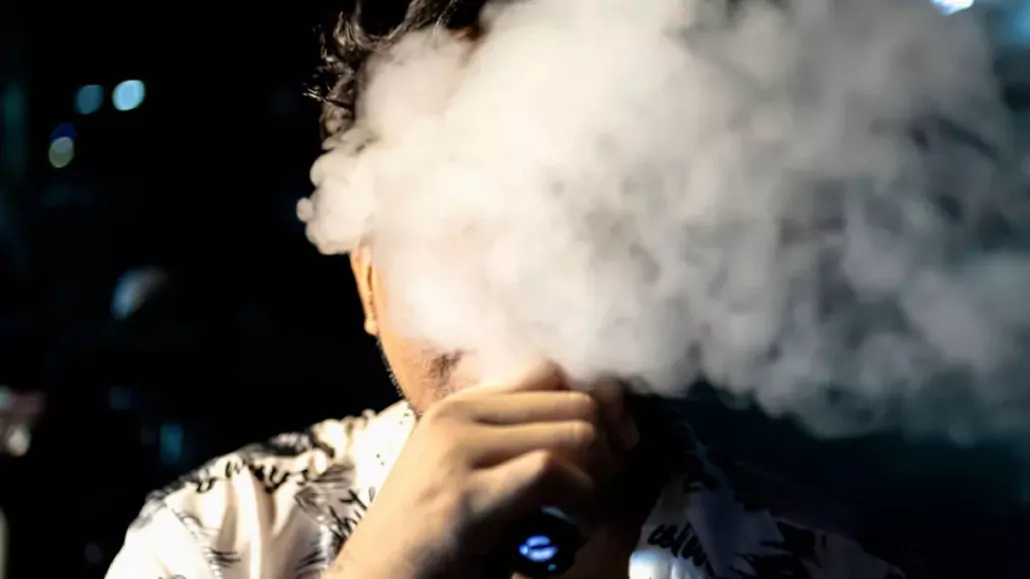
Singapore has launched one of the world’s most aggressive campaigns against vaping, transforming a public health issue into a full-scale drug war. Following the rise of “K-pods”—vapes laced with the anesthetic etomidate—the city-state has mobilized customs officers, police, and even school disciplinary boards to enforce a zero-tolerance policy. The crackdown goes far beyond fines; offenders now face state-mandated rehabilitation, jail time, and in severe cases, caning.
Key Takeaways
- Draconian Penalties: Sellers of drug-laced vapes face up to 20 years in jail and 15 strokes of the cane.
- The “K-Pod” Trigger: The crackdown was accelerated by the emergence of vapes laced with etomidate, a drug causing zombie-like behavior.
- Surveillance State: A public hotline for reporting vapers received over 2,600 calls in just nine weeks.
- Global Precedent: The WHO calls Singapore’s strategy a “turning point” that could redefine global tobacco and drug policy for the next decade.
Expert Insight: From Health Issue to Drug War
Our analysis of Singapore’s strategy reveals a critical shift in classification. Prime Minister Lawrence Wong explicitly declared vaping a “drug issue,” moving it out of the grey zone of tobacco regulation. This reclassification allows the state to deploy its most severe legal tools, including the mandatory death penalty for traffickers of certain substances (though not yet for vapes). Interestingly enough, this “scorched earth” approach contrasts sharply with the UK model, which views vaping as a harm-reduction tool. Singapore is betting that total eradication is the only way to prevent a new generation of addicts.
The “K-Pod” Crisis: Why Singapore Panicked
The catalyst for this intensification was the “K-pod.” These black-market cartridges contain etomidate, an anesthetic that mimics the effects of ketamine. Viral videos of young Singaporeans passing out or acting erratically in public shocked a nation that prides itself on order. A random test of seized vapes last July found that nearly one-third contained etomidate. This data point destroyed the argument that vapes were merely a “lifestyle choice,” proving instead that they had become a delivery system for illicit narcotics.
Comparison Matrix: Singapore vs. The West
To understand the severity of Singapore’s approach, we must compare it to other developed nations dealing with the same issue.
| Policy Feature | Singapore (Zero Tolerance) | United Kingdom (Harm Reduction) |
|---|---|---|
| Legal Status | Total Ban (Possession & Sale) | Legal (Regulated sale to 18+) |
| Max Penalty (Sellers) | 20 Years Jail + Caning | Fines & Trading Standards action |
| Public Health Stance | “Gateway to drugs” | “95% safer than smoking” |
| Enforcement Tool | Public Hotline & X-Rays | Age verification checks |
The “Click-Deep” Detail: The Smuggler’s Cat-and-Mouse Game
At Woodlands Checkpoint, the border with Malaysia, the battle is physical. Customs officers like Belinda Liaw now use X-ray machines and “blue-gloved fists” to knock on vehicle chassis, searching for hidden compartments. Smugglers have evolved from hiding vapes in bread vans to squirreling away small batches in air-conditioning units. The state’s response has been total mobilization: “Vape bins” for voluntary disposal, roving bag checks at metro stations, and a massive media campaign referencing pop culture like Stranger Things (“Danger Things”) to reach youth.
The Unintended Consequence: Return to Cigarettes?
While the crackdown has successfully reduced the prevalence of drug-laced vapes (now less than 10% of seizures), it has created a paradox. Vapers like “Toby” (a pseudonym) argue that the blanket ban punishes law-abiding adults who use standard nicotine vapes to stay off cigarettes. “I feel that for a lot of the adults who don’t take drugs… they would have to go back to smoking,” he told reporters. Critics argue that by banning the safer alternative, Singapore is inadvertently protecting the traditional cigarette trade, which remains legal despite its known lethality.
- Reference: A hotline to report vapers and caning if you’re caught: Singapore’s e-cigarette crackdown

- Indonesia: Denpasar Updates Smoke-Free Bylaw to Tighten Vape Rules - October 20, 2026
- Teen Girls Surpass Boys in Vaping Rates, Reversing Historic Trends - October 20, 2026
- Alabama: Irondale Proposes Public Vaping Ban with Fines Reaching $200 - October 20, 2026
Related posts:
 Singapore Deploys Over 5,000 Officers to Enforce Stricter Vaping Laws
 Illinois Bans Indoor Vaping and E-Cigarette Use Statewide
 FDA Warns Vape Retailers to Stop Selling Elf Bar, Esco Bars
 Australia Cracks Down on Black Market Vape Sales Amid Youth Crisis
 South Carolina: Aiken County Recommends Vape Shop Location Restrictions
 Flum UTBar Review – Icy Flavor Vapor Powerhouse

