
Spanish Study: Vaping and Heated Tobacco Reduce Cigarette Consumption by 42%
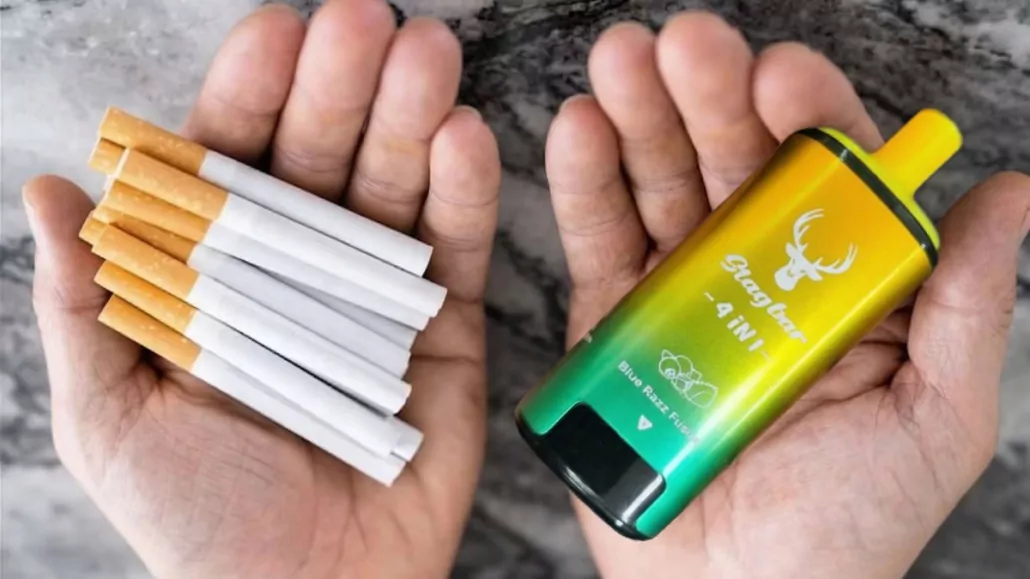
A new survey of over 1,300 nicotine users reveals that dual-use of smoke-free alternatives does not act as a gateway to smoking, but rather serves as a critical stepping stone toward quitting.
A recent Spanish study indicates that smokers who combine traditional cigarettes with vaping or heated tobacco significantly reduce their combustible tobacco intake. The data shows up to a 42% reduction in cigarette consumption over five years, suggesting that smoke-free alternatives function as effective harm reduction tools rather than gateways to youth smoking.
Quantitative Impact of Dual-Use on Smoking Habits
The following table outlines the behavioral shifts and consumption reductions observed among the study’s participants.
| Behavioral Metric | Study Finding |
|---|---|
| Initial Combustible Use (Ages 16-18) | 89% of users start with traditional cigarettes. |
| Average Age of Transition | Age 27 (Switch to smoke-free alternatives). |
| Annual Cigarette Reduction | 34% fewer cigarettes smoked by dual users. |
| 5-Year Cigarette Reduction | Up to 42% reduction in combustible consumption. |
| Complete Cessation Rate | Nearly 1 in 5 (20%) quit nicotine entirely. |
Debunking the Gateway Theory
The comprehensive study, which surveyed 1,329 nicotine users across Spain—including a significant sub-sample of 175 residents in Catalonia—provides clear data on the timeline of nicotine addiction. One of the most critical findings is that 89% of users begin their nicotine consumption with conventional cigarettes, typically between the ages of 16 and 18.
The transition to smoke-free alternatives, such as e-cigarettes or heated tobacco, occurs much later, at an average age of 27. This timeline strongly suggests that these modern devices do not act as a “gateway” to smoking for youth. Instead, they emerge as a deliberate choice for established adult smokers seeking alternatives.
A Gradual Path to Complete Cessation
For many smokers, quitting “cold turkey” results in high relapse rates. The study highlights the efficacy of “combined use” as a transitional phase. According to the research, 44% of heated tobacco users explicitly state they use these devices with the intention of reducing or quitting traditional cigarettes entirely.
The data proves this strategy yields results. Dual users smoke approximately 34% fewer cigarettes per year than those who exclusively consume combustible tobacco. Over a five-year period, this reduction scales up to 42%. Furthermore, this intermediate step often leads to absolute cessation, with nearly one in five users reporting that they eventually quit nicotine altogether.
The Need for Risk-Proportionate Regulation
These findings contribute vital empirical data to the ongoing regulatory debate regarding nicotine products. The study demonstrates that not all nicotine delivery systems carry the same level of risk or behavioral outcome. By proving that vaping and heated tobacco facilitate a gradual reduction in lethal combustible tobacco use, the data supports the implementation of risk-proportionate public policies. Treating all nicotine products identically ignores the reality of smoker behavior and risks eliminating a proven pathway to smoking cessation.

- Indonesia: Denpasar Updates Smoke-Free Bylaw to Tighten Vape Rules - October 20, 2026
- Teen Girls Surpass Boys in Vaping Rates, Reversing Historic Trends - October 20, 2026
- Alabama: Irondale Proposes Public Vaping Ban with Fines Reaching $200 - October 20, 2026
Related posts:
 FDA Authorizes Glas E-Cigarettes: Tobacco Flavor Only
 VAPORESSO XROS PRO 2 Review: The Best Open Pod Yet?
 Study Reveals CBD + CBDA Paste Improves Mobility in Cats
 France to Ban Nicotine Pouches Targeted at Teenagers
 British Lawmakers Pass Strict Anti-Smoking Rules in Landmark Bill
 Is Vaping Bad for You and How Are the Regulations Evolving?

