
UK Disposable Vape Ban May Drive Young Adults Back to Smoking: Study
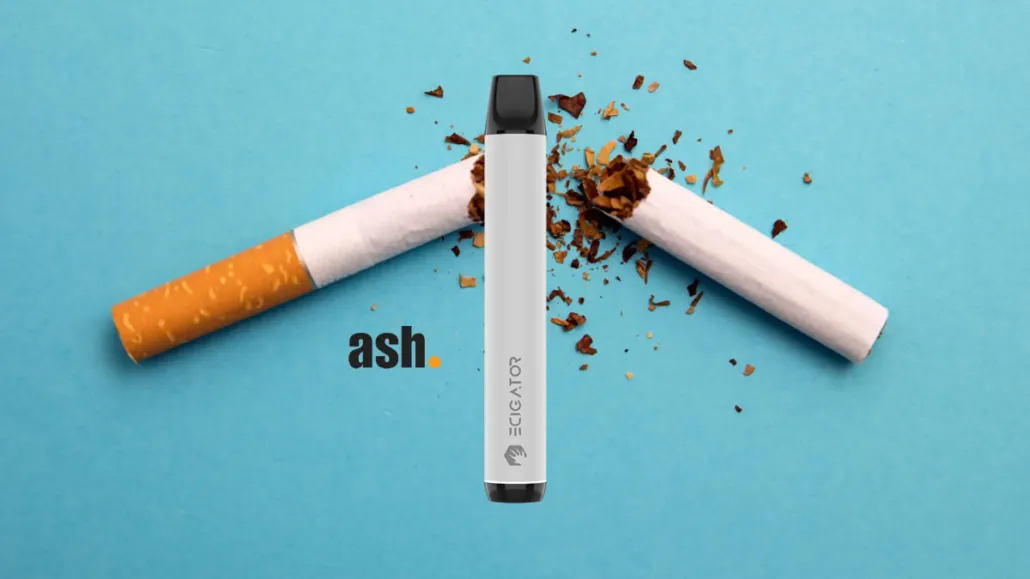
A new University of Bristol study, published in March 2026, analyzes how young adults planned to react to the UK’s June 2025 disposable vape ban. The findings highlight a critical harm reduction failure: many users anticipated switching back to combustible cigarettes rather than quitting nicotine or moving to reusable devices.
The UK government officially enforced a total ban on single-use vaping devices on June 1, 2025. The policy was designed to curb the youth vaping epidemic. However, new qualitative research published this week in PLOS Global Public Health1 suggests the regulation may have had a dangerous side effect: pushing young adults back to smoking.
This study provides the first in-depth look at consumer sentiment leading up to the ban. Researchers interviewed 22 regular disposable vape users aged 18 to 30. The cohort included never-smokers, former smokers, and dual-users. They were asked how they expected to adapt once their preferred products were removed from shelves.
Pre-Ban Intentions: Reusables vs. Cigarettes
The data reveals a stark divide in user intentions. While many participants supported the ban in principle—citing the need to protect children—their personal contingency plans painted a worrying picture for public health.
- The Switch to Reusables: A significant portion of users indicated they planned to transition to rechargeable pod systems or refillable devices. This was the government’s intended outcome.
- The Return to Smoking: This is the critical failure point. Some dual-users admitted they intended to increase their cigarette consumption once disposables became illegal. Even more alarming, a small number of never-regular smokers and one ex-smoker stated they might start or return to smoking combustible cigarettes as a replacement.
- Illicit Market Predictions: Views on enforcement were mixed. Some users believed the ban would effectively crush the supply, while others predicted it would simply fuel an unregulated black market for disposables.
Unintended Consequences Realized?
Dr. Jasmine Khouja, a co-author of the study, noted that while the ban aimed to reduce youth access, it inadvertently made combustible tobacco a viable option for some young adults. “The disposable vape ban did not aim to encourage the use of cigarettes… yet some young adults considered these options in anticipation of the ban,” she explained.
Richie Carr, the study’s corresponding author, emphasized that these findings offer vital insight into the potential fallout we may now be seeing. The research highlights a significant risk: by removing the most accessible harm reduction tool, the policy may have unintentionally revived smoking habits among the very demographic it sought to protect.
It is important to note the study’s limitations. The sample was small and consisted primarily of white females aged 18–22. However, the signal is clear. As we move further into the post-ban era, researchers stress the urgent need to track whether these anticipated behaviors have become reality. Are smoking rates among young adults rising in 2026? That is the question policymakers must now answer.
- Paper
‘Exploring the potential consequences of the disposable vape ban in the UK: a qualitative study with young adults who use disposable vapes’ by Richie J. Carr, Sara W. Alattar, Lana A. Al-Rifai, Hazel Morfett, Jasmine Khouja in PLOS Global Public Health ↩︎

- US CDC Narrows Vape Warning to Focus on Illicit THC Products - October 13, 2026
- Doctors Should Consider Vapes for Smoking Cessation, JAMA Panel Advises - October 13, 2026
- Armenia Reports 25.5% Daily Smoking Rate as Youth Vaping Surges - October 13, 2026
Related posts:
 Vaping Overtakes Smoking in Britain for First Time: ONS Data
 Hong Kong Plans Ban on Flavored Tobacco Except Menthol Starting 2026
 French Vaping Advocacy Group SOVAPE Announces Dissolution Amid Challenges
 Alabama Strengthens Enforcement of Vape Sales Ban to Minors
 Understanding China’s Vape Regulations: Everything You Need to Know
 Arizona: Glendale Raises Tobacco & Vape Purchase Age to 21

