What Does Trump’s Executive Order Actually Do for Marijuana?
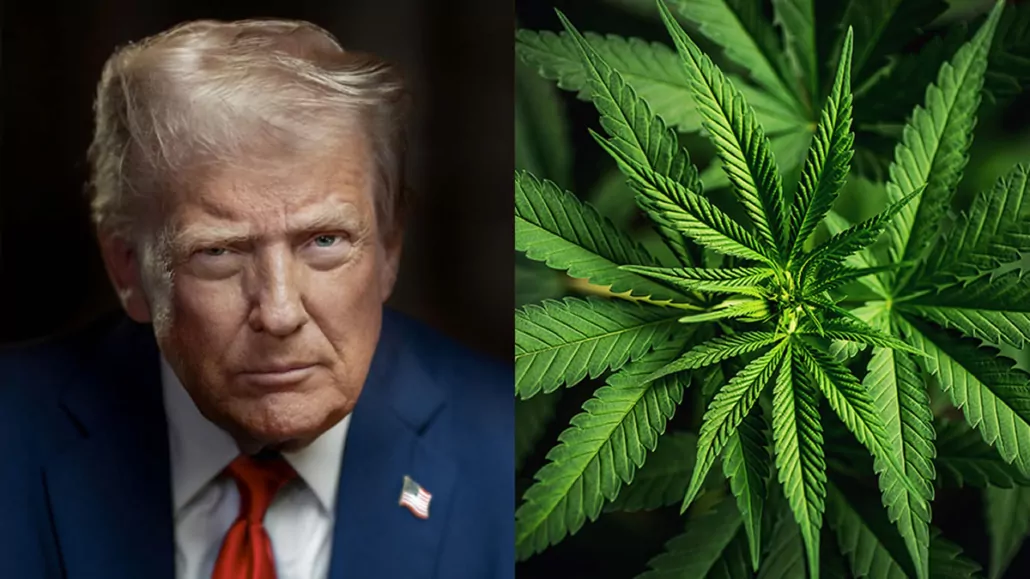
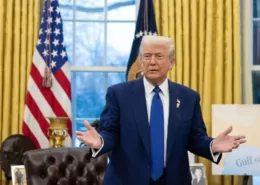
President Trump’s executive order directs the Attorney General to “complete the rulemaking process” for rescheduling marijuana to Schedule III, primarily to facilitate medical research. It does not immediately reclassify the drug or legalize recreational use, contrary to some sensationalized headlines. The order aims to close the gap between widespread medical use and the lack of federal research.
Key Takeaways:
- Research Focus: The order emphasizes increasing medical marijuana and CBD research.
- No Immediate Change: It directs the completion of a process, not an instant reclassification.
- Medical vs. Recreational: The text focuses on medical use, not recreational legalization.
- State Momentum: 47 states already allow some form of medical marijuana use.
Marijuana reclassification refers to the administrative process of moving cannabis from the restrictive Schedule I category to a lower schedule, potentially easing research barriers and acknowledging medical value. President Trump’s recent executive order has generated a whirlwind of headlines from major outlets like the New York Times and BBC, declaring a “historic policy shift.” However, a closer reading reveals a more nuanced reality.
Separating Hype from Reality: What the Order Says
While many headlines suggest Trump has already “reclassified marijuana,” the actual text of the executive order is more specific and limited. Titled “Increasing Medical Marijuana and Cannabidiol Research,” the order never mentions recreational use. Instead, it highlights a critical contradiction: the federal government’s classification of marijuana as having “no currently accepted medical use” despite clear evidence and widespread patient use.
The order states that decades of federal policy have “neglected marijuana’s medical uses,” limiting scientific research on safety and efficacy. Its primary command is for the Attorney General to “take all necessary steps to complete the rulemaking process related to rescheduling marijuana to Schedule III… in the most expeditious manner.”
Crucially, this is a directive to finish a process, not an immediate decree. As history shows with past denied petitions, the rulemaking process does not guarantee reclassification and can take years to finalize.
The State-Level Reality vs. Federal Policy
Regardless of federal scheduling, the reality on the ground has already shifted. According to the CDC, 47 states now allow some form of medical marijuana, with over 6 million patients benefiting. Furthermore, recreational use is legal in 24 states, with more likely to follow.
This dynamic mirrors the “right-to-try” movement, where state-level momentum eventually forced federal change. Just as 37 states enacted right-to-try laws before they became federal law in 2018, the pressure from state cannabis programs is driving this federal reevaluation. While the executive order isn’t the final word, it may be the necessary impetus for a long-overdue change.

- Recycling Point, Bin, or Kitchen Drawer? What UK Vapers Actually Do With a Dead Device - September 30, 2026
- How Cannabis Operators Should Qualify a Vape Hardware Supplier - September 30, 2026
- From Distillate to Finished Pod: The Quality-Control Steps Behind a Premium CBD Vape - September 30, 2026