
Quit Smoking with Vaping: A Step-by-Step Health Guide
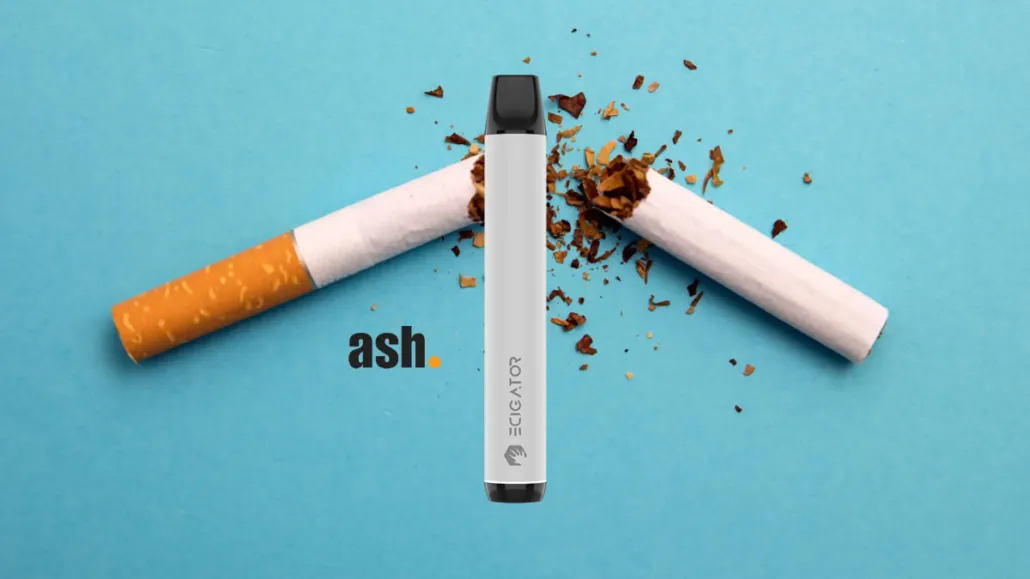
Quitting smoking is the single most impactful decision for long-term health, yet the physical and psychological grip of nicotine makes “cold turkey” attempts notoriously difficult. For many adult smokers, vaping has emerged not just as a trend, but as a pragmatic transition tool. By maintaining the ritualistic elements of smoking—the hand-to-mouth gesture and throat hit—while eliminating combustion, vaping offers a bridge away from tobacco. This guide outlines the immediate health benefits of quitting and provides a structured 5-step strategy to transition successfully.
Key Takeaways
- Immediate Recovery: Within 20 minutes of quitting, heart rate and blood pressure normalize; within 12 hours, carbon monoxide levels drop.
- Combustion is the Enemy: The primary harm of smoking comes from burning tobacco, which releases thousands of toxic compounds, not just nicotine.
- Transition Strategy: Vaping maintains the “ritual” of smoking, reducing the psychological friction of quitting.
- Nicotine Balance: Starting with the correct nicotine strength is critical to prevent relapse; too low, and cravings persist.
- Long-Term Goal: The ultimate objective is total cessation, moving from cigarettes to vapes, then gradually reducing nicotine to zero.
The Physiology of Quitting: What Happens to Your Body?
The most significant change is the elimination of carbon monoxide, a toxic gas that binds to hemoglobin and reduces oxygen transport. Within 12 hours, these levels drop, instantly improving the blood’s oxygen-carrying capacity.
From 2 weeks to 3 months, circulation improves and lung function increases, leading to noticeable stamina gains during exercise. By the one-year mark, the excess risk of coronary heart disease is cut in half compared to a continuing smoker. This timeline proves that damage is not permanent; the body is resilient if the daily assault of toxic smoke is halted.
Why Vaping Works as a “Bridge”
Smoking is a complex addiction involving both chemical dependence (nicotine) and behavioral triggers (stress relief, social habits, morning coffee). Vaping addresses both. It delivers nicotine to manage withdrawal symptoms like irritability and hunger, while also satisfying the physical habit of inhaling and exhaling “smoke.”
While vaping is not harmless, public health reviews suggest that for a smoker switching completely, it represents a significantly lower exposure to toxins than continuing to smoke combustible tobacco. The key is total substitution—avoiding “dual use” where one smokes and vapes simultaneously.
Comparison Matrix: Smoking vs. Vaping Transition
Understanding the differences in delivery and impact helps manage expectations during the switch.
| Feature | Traditional Cigarette | Vaping (Transition Tool) |
|---|---|---|
| Delivery Mechanism | Combustion (Burning) | Vaporization (Heating) |
| Toxin Load | Thousands of carcinogens (Tar/CO) | Significantly reduced (No Tar/CO) |
| Nicotine Control | Fixed per cigarette | Customizable strength (High to Zero) |
| Throat Sensation | Harsh “hit” | Variable (MTL mimics smoking best) |
5-Step Strategy for a Successful Switch
Define Your “Why” and Date:
Set a specific quit date. Write down your anchors: improved breathing, saving money, or protecting family from secondhand smoke. This mental preparation is your defense against tough days.
Choose the Right Device:
Avoid complex mods initially. Simple “Pod Systems” are the best entry point because they are discreet, easy to maintain, and offer a draw resistance similar to a cigarette.
Match Your Draw Style:
Focus on Mouth-to-Lung (MTL) devices. These mimic the tight draw of a cigarette, which feels more natural to a smoker than the airy “Direct Lung” (DL) style used by hobbyists.
Calibrate Nicotine Strength:
This is the most common failure point. Heavy smokers often need Nicotine Salts (20mg-50mg) initially to match the rapid delivery of a cigarette. Starting too low leads to frustration and relapse. The goal is to stabilize, then taper down later.
Leverage Flavors:
Don’t feel restricted to tobacco flavors. Many ex-smokers find that fruit or mint flavors help dissociate the habit from the taste of burning leaves, making the smell of actual cigarettes repellant over time.
Is vaping better than cold turkey?
For many, yes. Evidence suggests that nicotine e-cigarettes can be more effective than traditional replacement therapies (like gum) because they address the habit as well as the chemical addiction.

- Which States Still Grow America’s Tobacco? The Post-Buyout Era - June 17, 2026
- Pennsylvania: Pittsburgh Passes Strict Vape Shop Zoning Bill - June 10, 2026
- Ohio: Yellow Springs Halts New Smoke Shops with 180-Day Freeze - June 10, 2026
Related posts:
 Spain’s Vaping Crackdown: A Misguided Step as EU Considers New Rules?
 Affordable Vaping: How Much Do Vapes Cost in 2024?
 Top 10 Questions on Disposable Vape Answered
 Can you vape while Ramadan fasting?
 Nicotine Pouches vs. Snus and Chew Tobacco – Key Differences
 The Real Cost of Starting a Vape Shop in Canada in 2025

