Mexico Vaping Misinformation: The Danger of State Bans
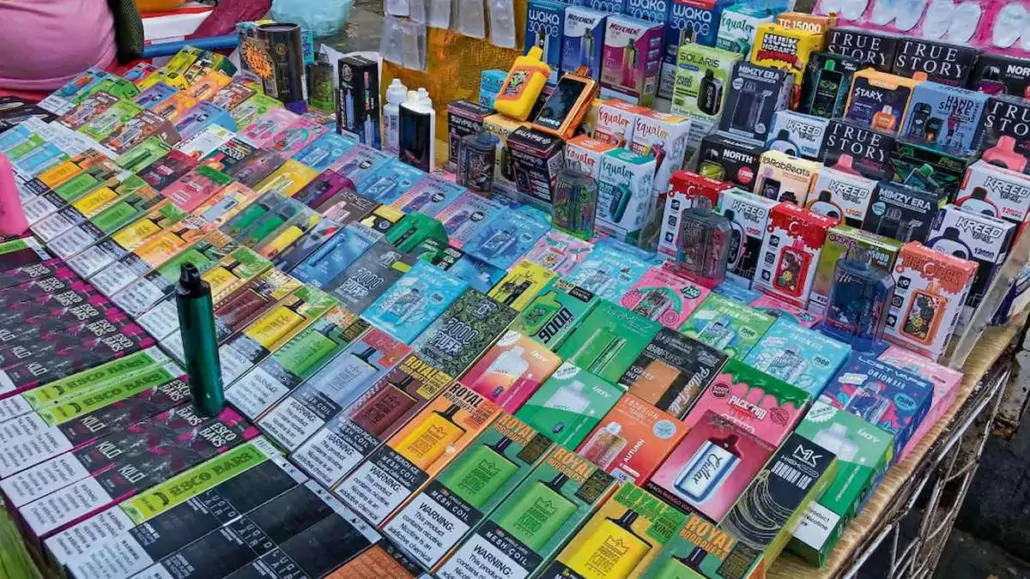
While the world embraces tobacco harm reduction, Mexico is moving backward. By criminalizing vaping and spreading institutionalized misinformation that equates e-cigarettes with combustible tobacco, the state is actively discouraging 15 million smokers from switching to less harmful alternatives.
Across the globe, progressive public health strategies are shifting toward harm reduction. Nations are actively encouraging smokers to replace combustible cigarettes with lower-risk alternatives like vaping devices, snus, and heated tobacco. Mexico, however, has decided to swim against the current. The government is aggressively demonizing these alternatives, blocking their sale, and effectively criminalizing their use. The paradox is undeniable. The state is punishing a technological tool that could save lives, all while leaving the deadliest product of all—the traditional combustible cigarette—freely available on every corner.
The Science of Combustion vs. Nicotine
Why is this prohibitionist approach so deeply flawed? Decades of rigorous scientific research point to one fundamental truth. The primary danger of smoking is not the nicotine itself. It is the combustion. When you burn tobacco, you inhale a toxic cloud containing thousands of chemicals, many of which are known carcinogens. Alternative nicotine delivery systems eliminate this combustion process entirely. Are vapes and nicotine pouches 100% harmless? No. But they are significantly less damaging. In the realm of public health, that difference in risk profile is monumental.
Here is the problem. The official narrative in Mexico deliberately erases this critical nuance. Through official public campaigns, press releases, and heavy-handed regulations, the state insists that vaping and smoking are equally dangerous. Sometimes, the rhetoric goes even further, bizarrely comparing vaping to highly lethal substances like fentanyl. This is not just a simple disagreement with the international scientific consensus. It is institutionalized misinformation. The state is actively selecting, distorting, and replacing factual data to prop up a political narrative, rather than formulating policy based on actual evidence.
The Human Cost of Distorted Data
What does this mean for the average consumer? The consequences of this misinformation are felt daily. Millions of smokers are constantly bombarded with simplistic, alarmist messaging. They logically conclude that if vaping is just as bad as smoking, there is no point in trying to switch to a lower-risk product. In practice, this false narrative directly manipulates health decisions. It influences choices that can literally mean the difference between developing a fatal respiratory disease or avoiding one.
Furthermore, it is a direct violation of human rights. It strips away a person’s right to make informed decisions about their own body based on honest, complete, and unmanipulated information.
Pushing Back: Harm Reduction and Human Rights
Fortunately, resistance to this prohibitionist dogma is forming. Initiatives like CE LIBRE and the Red Autonomía MX are stepping up as necessary counterweights in the public discourse. Operating from the intersections of social research and harm reduction, these platforms are reminding the public of a basic truth that the government systematically ignores. Drug and tobacco policies must be built on scientific evidence, respect for human rights, and the recognition of individual autonomy.
This is not about blindly promoting consumption. It is about accepting a reality that prohibitionists refuse to face. People will use substances, regardless of whether the state grants them permission. The ethical question is not how to punish these individuals, but how to best preserve their lives. Harm reduction starts from a profoundly human premise: if you cannot decree risky behaviors out of existence, you must make them less lethal. For tobacco control, this means facilitating access to accurate information, regulating non-combustible products based on technical criteria, and ending the legal and symbolic stigmatization of technologies that reduce mortality.
Investigating the Impact: The KAC-Funded Study
To truly understand the damage caused by the government’s stance, we need hard data. This brings us to a critical new research project led by Aldo Contró López. Backed by the THRSP scholarship program from KAC, López is investigating the exact nature of institutionalized misinformation regarding tobacco and nicotine in Mexico.
His research aims to identify and analyze how this state-sponsored phenomenon directly affects the risk perception and consumption habits of Mexico’s 15 million tobacco and nicotine users. To achieve this, López is employing a robust mixed methodology. His approach combines documentary research, hermeneutic analysis, virtual ethnography, and targeted focus groups.
The objective is twofold. First, the study will examine exactly how government institutions cherry-pick or reinterpret scientific findings to sustain their prohibitionist framework. Second, it will measure the real-world impact of these distorted discourses on the people who actually use the products. When public institutions broadcast misinformation, it doesn’t just shape policy; it directly impacts consumer health by molding the information they rely on.
Currently, very little is formally known about the mechanics of this dynamic in Mexico. Generating solid, academic evidence is an indispensable step toward exposing the massive gap between official state rhetoric and scientific reality. Supporting this type of research is a vote for more honest, effective, and responsible public health policies. The true dilemma facing Mexico is not “vaping yes or no.” It is evidence versus fear. And public policies guided by fear ultimately fail the very people they claim to protect.

- Indonesia: Denpasar Updates Smoke-Free Bylaw to Tighten Vape Rules - October 20, 2026
- Teen Girls Surpass Boys in Vaping Rates, Reversing Historic Trends - October 20, 2026
- Alabama: Irondale Proposes Public Vaping Ban with Fines Reaching $200 - October 20, 2026