Smoking, Vaping & Oral Health: 2025 Guide & Ban Update

The landscape of nicotine consumption in the United Kingdom is undergoing a seismic shift. With the implementation of a nationwide ban on disposable vapes as of June 1, 2025, and the progression of the landmark Tobacco and Vapes Bill, the regulatory environment is stricter than ever. For dental professionals and the public alike, understanding the implications of these changes—and the profound impact of both smoking and vaping on oral health—is critical. This guide delves into the latest statistics, the biological effects of these habits on the mouth, and the evolving legal framework designed to curb their prevalence.
The Current Landscape: Smoking and Vaping by the Numbers
Despite decades of public health campaigns, tobacco use remains a formidable challenge. It stands as the number one preventable cause of death, disability, and ill health in the UK, claiming approximately 80,000 lives annually and accounting for one in four cancer deaths in England. The stakes are incredibly high: recent data suggests that smoking just a single cigarette can shorten life expectancy by 20 minutes.
Globally, there is a glimmer of progress. A 2024 World Health Organization (WHO) report highlighted a decline in tobacco use, with one in five adults now consuming tobacco compared to one in three in 2000. Countries like Brazil and the Netherlands are leading this charge with significant reductions. However, the world is currently off track to meet the global goal of a 30% reduction by 2025, likely achieving only 25%. Ruediger Krech of the WHO warned against complacency, noting the tobacco industry’s relentless pursuit of profit often undermines public health victories.
The Rise of Vaping and Youth Appeal
While tobacco use slowly declines, vaping has surged, particularly among younger demographics. The WHO has flagged an “alarming increase” in e-cigarette use among children, often exceeding adult rates in many countries. This trend is fueled by aggressive marketing strategies that utilize social media, influencers, and over 16,000 attractive flavors, often packaged in sleek, toy-like designs.
In the UK, the situation is stark:
- Youth Experimentation: Experts estimate that nearly one million children aged 11 to 17 have tried vaping.
- Regular Use: NHS England data reveals that about 9% of secondary school pupils vape regularly, a figure that has risen from 6% in 2018.
- Dependency Concerns: Action on Smoking and Health (ASH) estimates 230,000 children vape more than once a week, with reports of stronger urges to vape suggesting newer products may be increasing dependency.
The Dual-Use Dilemma
A concerning trend identified by University College London (UCL) is the rise of “dual use”—consuming both traditional cigarettes and vapes. Over one in 20 adults in England now fall into this category. The sharpest increase occurred in 2021, coinciding with the boom in disposable vapes. Alarmingly, two-thirds of 18- to 24-year-olds who use nicotine are now dual users, a massive leap from one in five in 2016. This shift complicates cessation efforts, as dual users often vape daily while smoking less frequently, potentially prolonging their nicotine addiction rather than ending it.
Smoking: The Arch-Enemy of Oral Health
The detrimental effects of combustible tobacco on oral health are well-documented and severe. Smoking is a primary risk factor for a host of conditions that compromise not just the aesthetics of a smile, but the fundamental health of the oral cavity.
Periodontal Disease and Bone Loss
Dental therapist Zuzanna Sadura highlights smoking as a major risk factor for periodontal (gum) disease. Unlike gingivitis, periodontitis involves irreversible damage to the bone supporting the teeth. Smoking constricts blood vessels, masking the early signs of gum disease like bleeding, which often leads to delayed diagnosis. The result is gum recession, larger gaps between teeth, and eventually, tooth loss. This damage is preventable but not curable, significantly impacting patient confidence and quality of life.
Oral Cancer: A Preventable Tragedy
Smoking is the single biggest contributor to oral cancer, linked to approximately 65% of cases. Smokers are 91% more likely to develop the disease than non-smokers. The Oral Health Foundation’s State of Mouth Cancer UK Report 2024 paints a worrying picture: annual diagnoses have risen by 38% in the last decade to nearly 11,000 cases. Dr. Nigel Carter, CEO of the foundation, emphasizes that early detection is key to survival, yet over half of cases are diagnosed at stage IV. Regular dental visits to check for non-healing ulcers or red/white patches are vital.
Other Oral Health Impacts
According to the EU-Working Group on Tobacco and Oral Health, smoking also causes:
- Staining: Persistent discoloration of teeth and restorations.
- Sensory Loss: Diminished taste and smell acuity.
- Implant Failure: Significantly higher failure rates for dental implants due to poor healing and osseointegration.
- Halitosis: Chronic bad breath that is difficult to mask.
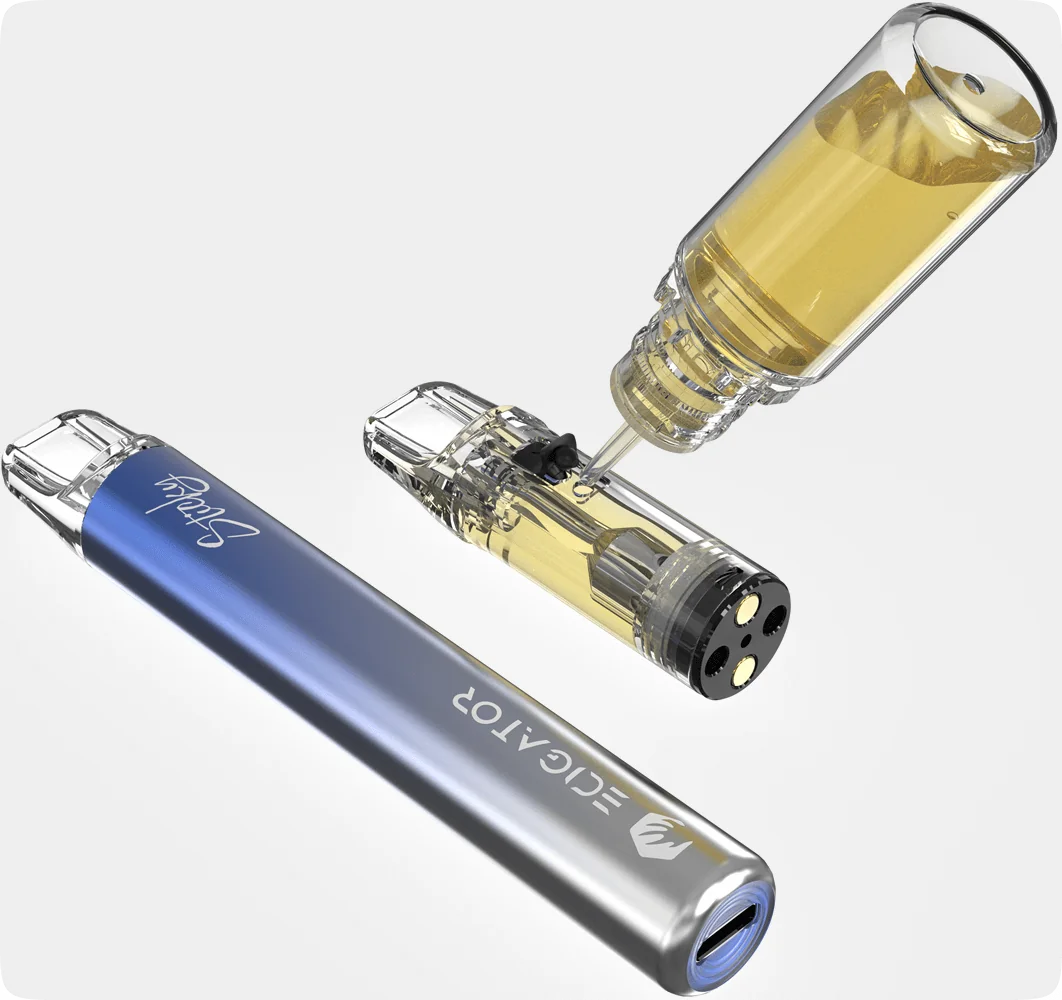
Ecigator Open Pod Kit for Starters
The Ecigator Sticky Refillable Open Pod Kit is a new type of vape device designed for beginners. It features a refillable pod and a rechargeable battery.
This means you don’t need to throw away a disposable prefilled pod — simply refill it instead. Each pod supports approximately 7–8 refills, and you can switch e-liquids to enjoy different flavors.
Vaping and Oral Health: Navigating the Unknown
The narrative around vaping is often summarized by Professor Sir Chris Whitty’s mantra: “If you smoke, vaping is much safer; if you don’t smoke, don’t vape.” While evidence suggests vaping is less damaging than smoking, it is unequivocally not risk-free.
Periodontal Health and Vaping
Richard Holliday, a senior lecturer in restorative dentistry, notes that research into vaping’s impact on gums is evolving. A recent systematic review found that vapers generally have better periodontal outcomes than smokers, similar to non-smokers. However, vapers often exhibit lower bleeding on probing—a suppression effect similar to that seen in smokers—which can mask underlying disease. While there is currently no strong evidence that vaping causes the same level of periodontal destruction as smoking, high-quality research is still needed to fully understand the long-term implications.
Caries and Dry Mouth
Vaping aerosols can lead to xerostomia (dry mouth), a known risk factor for dental caries (cavities). Although e-liquids typically don’t contain sugar, the dry environment and potential changes to the oral microbiome can create “stickier” plaque, potentially increasing decay risk. A large US study found an association between e-cigarette use and untreated caries, marking this as an area requiring close monitoring.
Erosion and Other Risks
The erosive potential of vape aerosols is another area of study. Nicotine-containing liquids tend to be alkaline, while non-nicotine options may be acidic, potentially posing a risk for dental erosion. Unlike smoking, vaping is not currently considered a significant risk factor for oral cancer, as it lacks the tar and combustion products that contain the majority of carcinogens.
The Role of Dental Professionals
Dental care professionals (DCPs) are on the front lines of this public health battle. They have a unique opportunity to educate patients about the risks of both habits without stigmatizing them. Understanding that many vapers are using the product to quit smoking is crucial for a compassionate approach.
DCPs should:
- Educate: Inform patients about the oral health risks of vaping, such as dry mouth and masked gum disease.
- Support Cessation: Signpost patients to resources like the NHS “Smoke Free” app or Allen Carr’s cessation methods.
- Mitigate Harm: Recommend sugar-free xylitol gum to combat dry mouth and encourage hydration and regular hygiene appointments.
Legislative Action: The Tobacco and Vapes Bill
The UK government is taking decisive legislative action to curb nicotine addiction. In November 2024, MPs voted in favor of the Tobacco and Vapes Bill, which Health Secretary Wes Streeting described as the “most significant public health intervention in a generation.”
Key Provisions of the Bill
- Smoke-Free Generation: A progressive ban on tobacco sales to anyone born on or after January 1, 2009.
- Retail Licensing: Introduction of a licensing system for retailers selling tobacco and vapes to ensure compliance.
- Marketing Restrictions: New powers to regulate flavors, packaging, and point-of-sale displays to reduce their appeal to children.
- Expanded Smoke-Free Zones: Extension of smoke-free regulations to include vape-free and heated tobacco-free areas in certain public spaces.
Dental professionals like Chloe Sharpe and Gemma Cowen have welcomed these measures, citing the severe periodontal disease and addiction they witness daily in their practices. They view the legislation as a necessary step to protect future generations and reduce the burden on the NHS.
The Disposable Vape Ban: A Turning Point
As of June 1, 2025, a ban on the sale and supply of single-use disposable vapes is in effect across England, Wales, Scotland, and Northern Ireland. This measure addresses the dual crisis of youth vaping and environmental waste. Research indicated that five million single-use vapes were being discarded weekly, leaking toxic materials like lithium and cobalt into the environment.
Environment Minister Andrew Muir highlighted the “devastating impact” of vape litter on biodiversity. Health Minister Andrew Gwynne emphasized that banning disposables—the product of choice for the majority of young vapers—is essential to “reduce the appeal of vapes to children and keep them out of the hands of vulnerable young people.”
Concerns and Unintended Consequences
While the ban is widely supported by health and environmental groups, industry representatives have raised concerns. The UK Vaping Industry Association warned that a ban could fuel a black market for unregulated products, potentially putting users at greater risk. There is also apprehension that removing a convenient cessation tool could lead some adult vapers back to smoking. Balancing these risks with the urgent need to protect youth and the environment remains the central challenge of this new regulatory era.
Conclusion
The interplay between smoking, vaping, and oral health is complex and evolving. While vaping offers a less harmful alternative for smokers, it is not without risks, particularly for the oral cavity and for young, nicotine-naive users. The UK’s robust legislative response, including the disposable vape ban and the Tobacco and Vapes Bill, marks a pivotal moment in public health policy. For dental professionals, staying informed and proactive in patient education is more vital than ever to navigate this changing landscape and safeguard the oral health of the nation.

- US CDC Narrows Vape Warning to Focus on Illicit THC Products - October 13, 2026
- Doctors Should Consider Vapes for Smoking Cessation, JAMA Panel Advises - October 13, 2026
- Armenia Reports 25.5% Daily Smoking Rate as Youth Vaping Surges - October 13, 2026