UK Tobacco & Vapes Bill: Councils Face Enforcement Crisis & Illicit Trade
Mike Salem of the Consumer Choice Center (CCC) argues that Westminster’s legislative ambition is creating an unsustainable burden for local councils. The Tobacco and Vapes Bill, currently in the House of Lords, proposes banning tobacco and heated tobacco sales for anyone born after 2009, alongside strict curbs on vape flavors and nicotine pouches. While the intent is public health, the operational reality falls on underfunded Trading Standards teams, who must enforce complex new rules without corresponding resource increases.
The Disconnect: Central Policy vs. Local Reality
Salem highlights a fundamental disconnect between Whitehall’s “political priorities” and the practical governance of local authorities. Existing UK tobacco policy has already driven the average price of a legal pack of cigarettes to £16.60—roughly £10 higher than much of Europe. This price disparity, fueled by the annual tobacco duty escalator (RPI + 2%), has inadvertently fueled a thriving illicit market. Between 2021 and 2024, legal cigarette sales plummeted by 45.5%, not necessarily because people quit, but because they shifted to the black market.
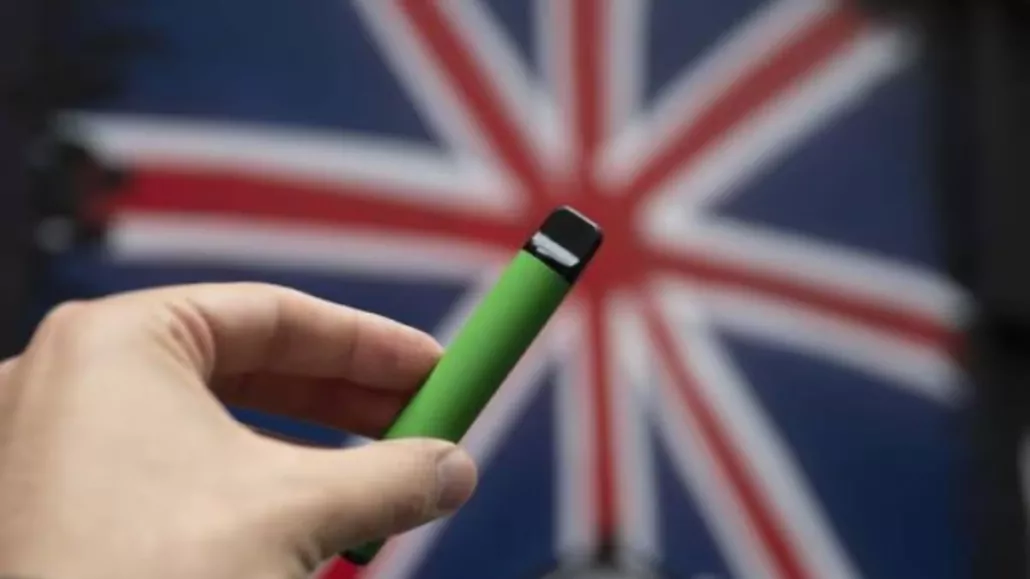
The proposed generational ban extends enforcement responsibilities significantly. Trading Standards officers are already stretched thin navigating the disposable vape ban that took effect on June 1st. Retailers, confused by vague definitions of “reusable,” circumvented the law by selling stronger battery devices at disposable prices, ironically increasing environmental harm. Further restrictions on flavors, packaging, and displays will only compound this administrative chaos.
Economic Consequences: Dying High Streets
The financial strain on local councils is twofold. First, they are tasked with enforcing these increasingly complex regulations. Second, the rise of the illicit market undermines legitimate high street businesses, which pay business rates. In England, councils collect these rates but retain only 50% of the revenue, with the rest funneled back to central government. As legal shops close due to competition from tax-evading criminal gangs, the local tax base erodes, creating a “cycle of financial doom.”
Salem warns that this dynamic fosters criminal activity, making streets more dangerous and requiring even more policing resources. He urges voters in the upcoming local elections to support candidates who will advocate for local authority interests against “overwhelming central legislation,” rather than those promising more top-down mandates that ultimately drain local coffers.
| Policy / Metric | Impact on Local Councils |
|---|---|
| Tobacco Duty Escalator | Drives illicit trade; reduces legal sales tax base. |
| Disposable Vape Ban | Confusion over “reusable” definitions; increased enforcement load. |
| Generational Ban (2009+) | Requires permanent age verification checks; new enforcement tier. |
| Business Rates Retention | Councils keep only 50%; suffer when legal shops close. |
- Read more: UK Smoking and Vaping Costs to Rise in 2026 with New Duties
- Original: Mike Salem: Parliament passes complex new laws – leaving councils with the burden of implementing them locally

- Indonesia: Denpasar Updates Smoke-Free Bylaw to Tighten Vape Rules - October 20, 2026
- Teen Girls Surpass Boys in Vaping Rates, Reversing Historic Trends - October 20, 2026
- Alabama: Irondale Proposes Public Vaping Ban with Fines Reaching $200 - October 20, 2026