
Can Vaping Help Smokers Quit? : Experts Split on Harm Reduction
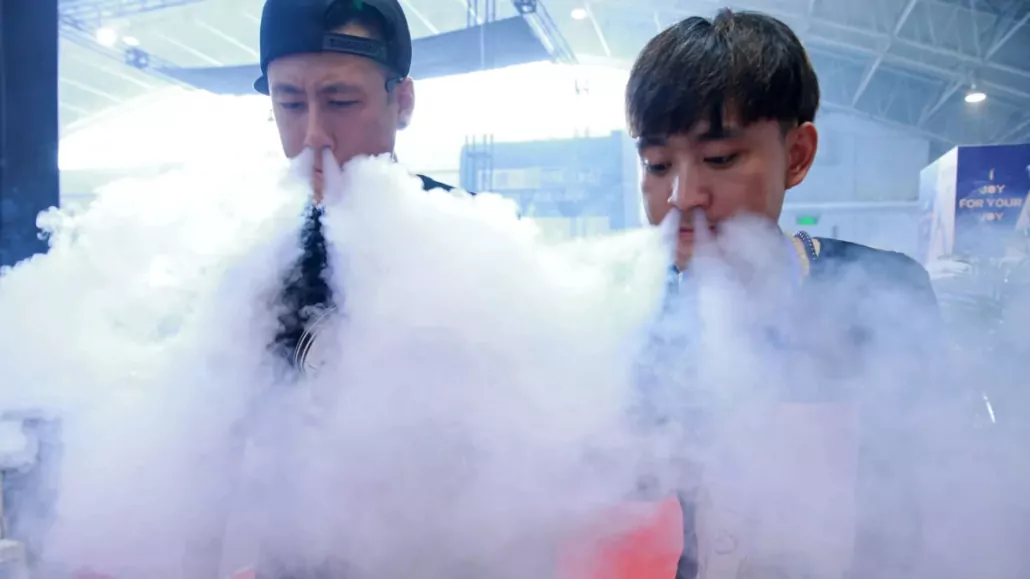
The question of whether vaping should be embraced as a tool to help smokers quit has ignited a fierce debate within the global public health community. At a recent gathering in Geneva to discuss the World Health Organization’s (WHO) tobacco control treaty, over 1,400 delegates grappled with this divisive issue. While smoking rates have declined, 1.2 billion people worldwide still use tobacco, prompting urgent discussions on how to address the “tobacco epidemic.”
The core of the conflict lies in the concept of “harm reduction.” Proponents, including some doctors and scientists, argue that while e-cigarettes and heated tobacco products are not risk-free, they are significantly less dangerous than traditional combustible cigarettes, which kill up to half of long-term users. They view vaping as the “lesser of two evils” and a pragmatic way to help addicted smokers transition away from lethal tobacco smoke.
Dr. Derek Yach, a former WHO official who helped draft the landmark tobacco treaty, is a prominent voice for this approach. Now describing himself as “excommunicated” by former colleagues, Yach believes the traditional “quit or die” message ignores the complexity of nicotine addiction. He argues that burning tobacco creates the most harmful toxins, whereas vaping heats nicotine liquid. “Mea culpa! I’ve missed what is probably the greatest opportunity to save lives,” Yach reflects, advocating for doctors to promote these products for cessation. This view is shared by institutions like the U.K.’s National Health Service and independent researchers like Professor Mike Cummings, who stresses that for those already addicted, safer alternatives are worth considering.
However, the World Health Organization and many other public health experts vehemently oppose this stance. In a strongly worded position paper, the WHO slammed the idea of using e-cigarettes for cessation, accusing the tobacco industry of “misappropriating” harm reduction language to “mass market harmful products” for profit. WHO Director-General Tedros Adhanom Ghebreyesus stated, “There is no evidence of their net benefit for public health, but mounting evidence of their harm.”
A primary concern for opponents is the surge in youth vaping. Benn McGrady, head of Public Health Law and Policies at WHO, noted that e-cigarette use rates among children are nine times higher than adults, with 15 million children worldwide using them. The fear is that flavored, attractively packaged vapes are creating a new generation of nicotine addicts rather than helping smokers quit. The International Pediatric Association recently warned that e-cigarettes are associated with cardiovascular and respiratory diseases and threaten to reverse decades of tobacco control progress.
Critics also point to the tobacco industry’s history of deception, viewing the push for vaping as another “divide and conquer” strategy similar to past promotions of filtered or low-tar cigarettes. Dr. Tim McAfee, former head of the CDC’s Office on Smoking and Health, called industry efforts a “smokescreen” and an “unutterable scam.”
The debate is further complicated by accusations of censorship and industry influence. Researchers like Cummings claim they are shunned and struggle to find funding for harm reduction studies, arguing that policy should be guided by evidence rather than ideology. Meanwhile, the WHO maintains that countries should regulate e-cigarettes as strictly as traditional cigarettes to protect public health.

- Philippines Mandates Safety Certification for Nicotine Pouches - October 12, 2026
- Poland’s Vape Tax Dispute Exposes Inflated Claims and Foreign Loopholes - October 12, 2026
- Turkey to Require National ID Numbers for Tobacco and Cigarette Sales - October 12, 2026
Related posts:
 California Cannabis Industry Adapts to New Vape Law
 Study Reveals Smoking Rates ‘Increasing’ in Some Areas of England
 VAPORESSO XROS PRO 2 Review: The Best Open Pod Yet?
 The Different Types of Vape Coils and the Principle
 Canadian Vaping Association Warns Flavor Ban Harms Public Health
 RI Flavored Vape Ban Faces Federal Lawsuit Challenge

