
FDA Urged to Follow Harm Reduction Science and Approve Vapes
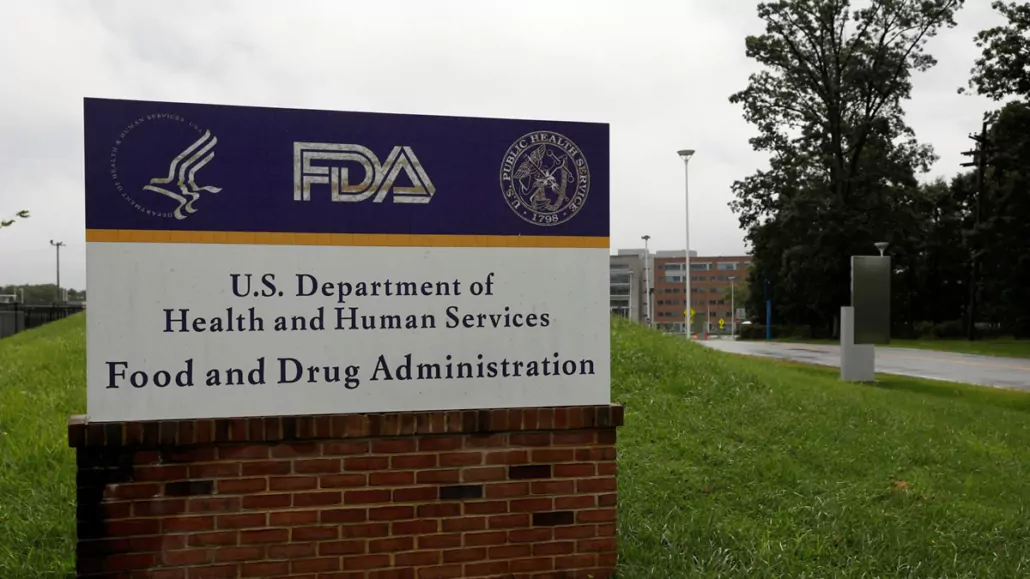
Public health advocates are calling on the Food and Drug Administration to accelerate the authorization of electronic cigarettes as tobacco harm reduction tools. With combustible smoking remaining the leading cause of preventable death and chronic disease in the United States, maintaining adult access to regulated alternatives offers a direct path away from toxic cigarettes.
Since the Surgeon General’s initial 1964 report on smoking risks, decades of medical evidence have confirmed that burning tobacco damages nearly every organ in the human body. E-cigarettes offer smokers the nicotine they seek without the tar, severe lung damage, and premature aging caused by combustible tobacco smoke.
Shifting Toward Science-Based Authorizations
The FDA recently authorized four flavored e-cigarettes manufactured by Glas Inc. and issued guidance allowing similar products to remain on store shelves while regulatory reviews proceed. This approach ensures adults have viable tools to replace cigarettes rather than driving them toward unregulated black markets.
For years, the agency routinely rejected flavored vape applications by citing risks to young people. However, technological innovations now resolve this conflict by restricting device access directly.
Writing for Filter magazine, Kim Murray observed:
“Youth use has always been the FDA’s reason for denying authorization for flavored vapes—which are important for harm reduction because many adults find them the best way of switching from cigarettes. But the agency determined that Glas’s device-access restriction technology—pairing a vape with an age-verified smartphone via Bluetooth—would, combined with marketing restrictions, effectively deter youth use.”
Evidence Links Flavors to Higher Quit Rates
Data indicates that flavor variety plays a direct role in smoking cessation success. Stripping retail shelves of flavored products frequently stalls smoking cessation efforts or forces adults back to conventional cigarettes.
Jeffrey Smith of the R Street Institute highlighted the empirical evidence backing non-tobacco flavors:
“A 2020 JAMA Network Open study found that adults who took up non-tobacco-flavored e-cigarettes were more than twice as likely to quit smoking as those using tobacco flavors, with no matching jump in youth use. Population-level work in England similarly tied rising e-cigarette use to greater quit success.”
Reforming the Premarket Application Process
President Donald Trump pledged in 2024 to support the vaping industry, placing the issue squarely on the federal policy agenda. Federal agencies have proven capable of reducing bureaucratic delays elsewhere, such as the FDA’s National Priority Voucher program, which cut review timelines for critical medicines from ten months down to under two months.
Advocates argue that the Premarket Tobacco Product Application (PMTA) pathway requires an overhaul. Replacing ambiguous standards with predictable, transparent, and evidence-driven rules protects underage non-smokers, defends consumer choice for adults, and provides fair operating conditions for domestic businesses.

- Indonesia: Denpasar Updates Smoke-Free Bylaw to Tighten Vape Rules - October 20, 2026
- Teen Girls Surpass Boys in Vaping Rates, Reversing Historic Trends - October 20, 2026
- Alabama: Irondale Proposes Public Vaping Ban with Fines Reaching $200 - October 20, 2026
Related posts:
 Alabama: Tuscaloosa Considers Local Vape Tax Before State Deadline
 Smoking on Airplanes: A Look into the History and Current Regulations
 Massachusetts Flavored Tobacco Ban Leads to Jail Time
 UK Pub Vape Ban: New Bill Targets Hospitality
 OXbar * Pod Juice Ice-Nic Control 35K Disposable Vape Review
 Canadian Vaping Association Warns Flavor Ban Harms Public Health

