
Organized Crime Takes Over 80% of Australia’s Nicotine Market as Tobacco Taxes Soar
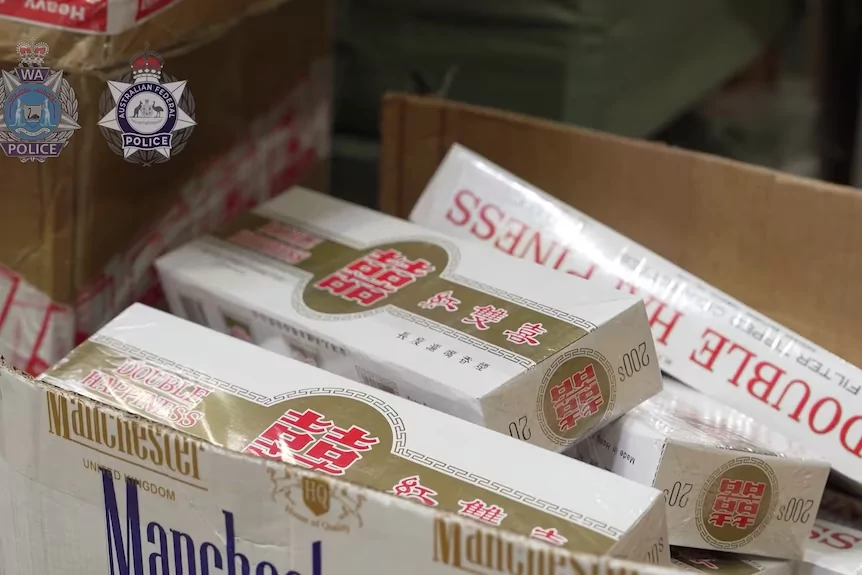
Organized criminal syndicates have become the primary suppliers of tobacco and nicotine in Australia. An investigation published by French daily Le Monde revealed that severe excise taxation has backfired, fueling an underground economy run by outlaw biker gangs and international smuggling networks across Sydney and other major metropolitan areas.
Data released by the Australian Bureau of Statistics in 2025 confirmed that the black market accounts for 80% of all nicotine consumed nationwide. Researchers established this figure by measuring nicotine traces in municipal wastewater systems and comparing the results against registered retail sales for combustible cigarettes and legal vapes. In 2017, the illicit share stood at just 12%.
High Prices Drive Consumers to Underground Retailers
The primary driver behind this market shift is consumer cost. Following a decade of tax hikes, legal cigarette packs in Australia cost between AU$40 and AU$70 (roughly €25 to €43). In response, independent convenience stores, tobacconists, and service stations routinely stock cheap, untaxed imports under the counter.
Consumers regularly purchase illicit packs for roughly one-third of the legal price. Store owners report relying on illicit sales simply to keep their businesses operational, while buyers bypass regulated supply chains entirely for economic relief.
| Metric | Historical Baseline | Current / Projected Level |
|---|---|---|
| Illicit Nicotine Market Share | 12% (2017) | 80% (2025) |
| Daily Smoking Rate (Adults) | 20.0% (2001) | 5.6% (Current) |
| Federal Tobacco Tax Revenue | AU$16.3 Billion (2020) | AU$4.1 Billion (2026 Est.) |
| Average Pack Price | AU$15 – AU$20 (2014) | AU$40 – AU$70 (Current) |
Cartels, Turf Wars, and Violent Crime
The financial scale of Australia’s illicit tobacco market has attracted violent organized crime groups looking to diversify their income streams. Experts estimate the annual market value at up to AU$8.5 billion.
“This is a market that could represent up to 8.5 billion dollars annually, which is more than cannabis, cocaine, ecstasy, and heroin combined,” said Adrian Leiva, senior lecturer at Western Sydney University and specialist in organized crime.
To control distribution, criminal networks have acquired storefronts and forced independent retailers into purchasing their smuggled goods. Rivalries over distribution routes have led to severe violence, including extortion, kidnappings, armed robberies, and more than 200 targeted arson attacks on retail stores between January 2023 and January 2025.
“We have seen new networks emerge in this sector while other poly-criminal groups have simply diversified their portfolios,” stated Wilfred Mortimer, director of strategic intelligence at the New South Wales Crime Commission.
Policy Deadlock and the Vaping Black Market
While Australia’s strict packaging and pricing rules reduced adult daily smoking rates to 5.6%, the policy created a fiscal and enforcement crisis. Law enforcement agencies focus on confiscating criminal assets and dismantling import routes, but illicit distribution has spread online and into residential delivery operations.
Australia’s pharmaceutical vape regulations have produced similar market distortions. Because legal electronic cigarettes are restricted to pharmacies and often require a doctor’s prescription, adult vapers have turned to the same illicit convenience stores and tobacconists for unregulated disposable devices.
Opposition political parties and economic analysts argue that lowering excise rates is the only practical method to strip cartels of their profit margins. The governing Labor party opposes tax reductions, maintaining that lower prices could reverse progress in smoking cessation.

- Mexico Passes Stricter Tobacco Law as Experts Warn of Cartel Trade - October 9, 2026
- FDA Tobacco Review Delays Threaten Public Health, GAO Report Reveals - October 9, 2026
- USA Northeast Vape Laws in 2026: State Taxes & Flavor Bans - October 9, 2026
Related posts:
 Ireland’s New Vape Tax Takes Effect, E-Liquid Prices Soar
 Vaping is an Effective Quit-Smoking Aid: French Experts Confirm
 Iowa Delays Vaping Regulation Law Amid Lawsuit from Local Businesses
 Mexico Plans to Set Vape Ban in the Country’s Constitution
 Senator Wyden Investigates Trump and RFK Jr. Over Big Tobacco and Kratom Deals
 Does Vaping Affect Your Skin? In-Depth Guide & Skincare Tips

