Canada Urged to Enact Federal Ban on Flavored Vaping Products
More than five years after promising action, the Canadian federal government faces renewed pressure to finalize a national ban on flavored vaping products. First proposed in 2021 by then-Health Minister Patty Hajdu to combat youth nicotine addiction, the regulations remain unenacted. Current Health Minister Marjorie Michel has yet to provide a clear timeline for implementation, even as youth vaping rates remain high.
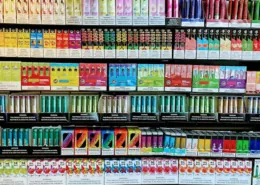
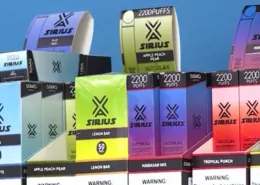
Advocates argue a federal ban is necessary to eliminate fruit, candy, and chocolate flavors that attract children, while preserving tobacco and menthol options for adult smokers trying to quit. Currently, provinces like Quebec, New Brunswick, Prince Edward Island, and Nova Scotia ban all flavors except tobacco. Meanwhile, British Columbia, Saskatchewan, and Ontario restrict non-tobacco and non-menthol flavors to specialty stores. However, without a federal mandate, these provincial efforts are routinely bypassed by illegal interprovincial shipments and online sales.
The health consequences driving this policy debate are increasingly clear. While marketed as smoking cessation tools, e-cigarettes frequently act as a gateway; young vapers are three times more likely to start smoking cigarettes. Furthermore, a study from the University of Alberta found that vaping causes measurable lung and cardiovascular damage in young adults, leaving participants in their early 20s short of breath during moderate exercise.
Beyond passing new laws, Canada faces a critical enforcement deficit. Health Canada inspections of specialty vape shops in 2024 and 2025 showed that nearly half failed to comply with existing rules—often promoting prohibited flavors, omitting health warnings, or selling products that exceeded allowable nicotine concentrations. Additionally, underage sales remain common. A secret shopper study in Alberta revealed that 42.5% of retailers sold to youth, with convenience stores failing ID checks more often than specialty vape shops.
To curb this trend, public health units suggest that the current \$500 fine for selling to minors is an insufficient deterrent for repeat offenders. Advocates argue that formal charges and stricter penalties are required to prevent a new generation of Canadians from becoming dependent on nicotine.

- Indonesia: Denpasar Updates Smoke-Free Bylaw to Tighten Vape Rules - October 20, 2026
- Teen Girls Surpass Boys in Vaping Rates, Reversing Historic Trends - October 20, 2026
- Alabama: Irondale Proposes Public Vaping Ban with Fines Reaching $200 - October 20, 2026