
How Will 9 Key Global Shifts in 2025 Reshape the Nicotine Industry in 2026?
The global nicotine industry in 2026 will be defined by a shift from “gray market growth” to “compliance-driven survival.” Key drivers include the U.S. market’s regulatory reset, the mainstream explosion of nicotine pouches, and the EU’s tightening fiscal policies. Simultaneously, a global crackdown on disposable vapes is pushing the industry toward responsibility-based governance, while technological advancements like age verification offer new solutions to the flavor debate.
Key Takeaways:
- US Compliance Reset: The U.S. market is moving from gray area expansion to strict enforcement and PMTA-based order.
- Nicotine Pouch Boom: ZYN and on! PLUS approvals signal nicotine pouches becoming a global mainstream category.
- Disposable Ban Wave: Global regulations are shifting from managing disposable products to enforcing corporate responsibility.
- China’s Regulatory Upgrade: China is intensifying its crackdown on illegal tobacco activities and tightening export compliance.
- Tech Solutions: Age verification technology is emerging as a critical tool to resolve flavor controversies.
The 2025 global nicotine industry transformation refers to a structural overhaul where compliance, capital, and technology replace unregulated growth as the primary drivers. As we look back at 2025, it stands as the most complex year in the industry’s history—a year where old rules were dismantled, and a new order began to emerge. We’ve identified nine pivotal events that are reshaping the future of the sector.
1. The U.S. Market: From “Gray Prosperity” to “Compliance Reconstruction”
In 2025, the U.S. market underwent a fundamental shift. Regulatory logic and market operations were simultaneously reconstructed. High-intensity enforcement moved from sporadic actions to a permanent arrangement, targeting not just products but logistics, distribution, and funding. The “gray market” expansion path is effectively closing.
- PMTA Evolution: The FDA accelerated its review pace, signaling a move from blocking market entry to establishing a predictable regulatory mechanism.
- State-Level Fragmentation: The market shifted from a unified national landscape to a state-by-state compliance puzzle.
- Supply Chain Shift: “Made in USA” became a real compliance threshold, driving supply chains toward localization and traceability.
Entering 2026, the U.S. is once again a market where compliance determines survival.

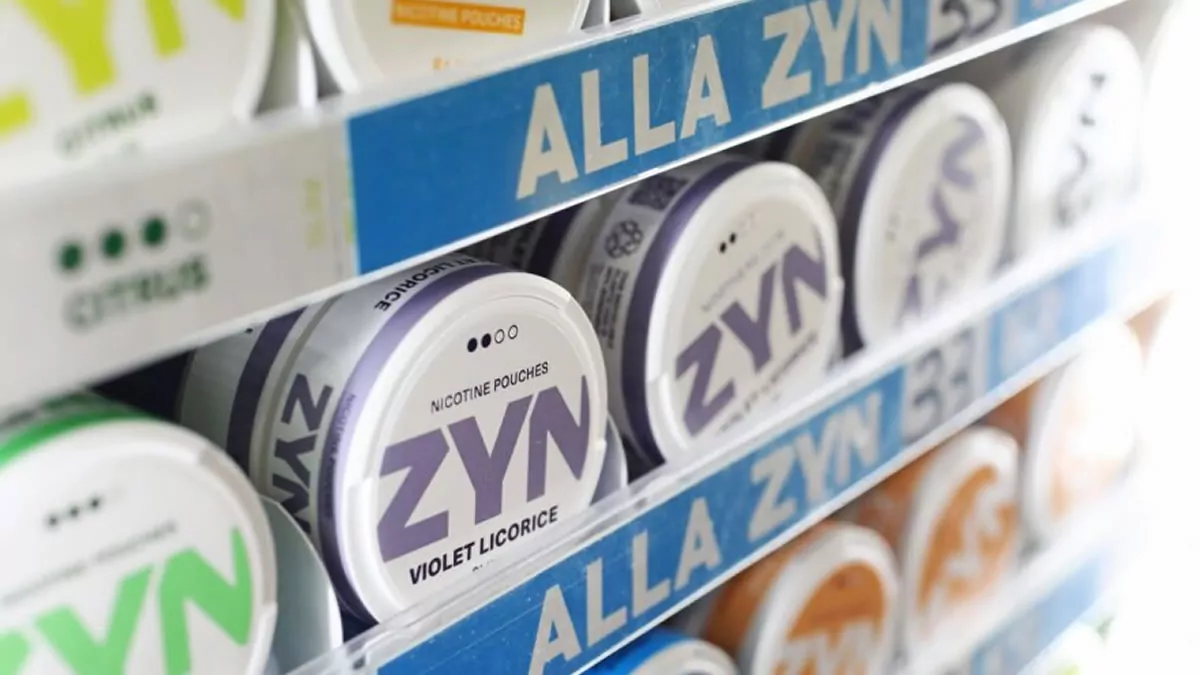
2. Nicotine Pouches: Mainstream Global Adoption
Nicotine pouches transitioned from a regional niche to a core global growth sector in 2025. This was solidified by major regulatory milestones:
| Event | Significance |
|---|---|
| ZYN PMTA Approval | Established a clear, sustainable legal foundation in the U.S. market. |
| on! PLUS PMTA Approval | Confirmed the regulatory pathway is moving from “case-by-case” to “consistent clearance.” |
| China’s Entry | China Tobacco’s entry into the sector signals new global supply dynamics. |
For 2026, the challenge for nicotine pouches shifts from gaining acceptance to balancing rapid expansion with compliance and production capacity.
3. EU Regulation: Tightening Space Amidst Uncertainty
While a unified EU legislative framework (TPD III) remains under discussion, the market environment has already tightened significantly through tax reforms and member state actions.
- Tax as a Tool: The revision of the Tobacco Excise Directive (TED) is bringing vapes and pouches into a unified tax discussion, shaping market expectations early.
- Member State “Sprinting”: Individual countries are preemptively implementing bans and taxes, fragmenting the single market.
- Politicized Agenda: Youth protection and fiscal goals are driving policy more than scientific consensus.

4. Diverging Global Regulatory Philosophies
Global consensus on regulating new nicotine products remains elusive. Instead, 2025 saw a clear split in regulatory philosophies:
- Risk-Proportionate Regulation: One camp advocates distinguishing between combustible and non-combustible products to support harm reduction.
- Unified Control: The opposing camp prioritizes the precautionary principle, treating all nicotine products similarly to protect youth.
This divergence will continue to shape global strategies in 2026, forcing companies to navigate parallel, often conflicting, regulatory paths.
5. The End of Disposables: Shifting to Responsibility
The global crackdown on disposable vapes in 2025 wasn’t just about the product; it was a shift in governance logic. Countries like France, the UK, and Belgium moved to ban disposables due to youth appeal and environmental waste.
This marks a transition from managing products to enforcing responsibility. The disposable model’s short lifecycle and vague responsibility boundaries clashed with new demands for traceability and sustainability. The industry is now pivoting toward reusable devices and controllable supply chains.
6. PMI’s Transformation: A Structural Milestone
For Philip Morris International (PMI), 2025 marked the transition of its smoke-free business from a strategic bet to a verified core engine. Smoke-free products now account for a significant portion of revenue and profit, growing faster than traditional cigarettes.
PMI’s organizational restructuring, elevating smoke-free business to a primary unit, signals that the transformation is no longer tentative but structurally established.
7. China’s Regulatory Upgrade: Systemic Enforcement
In December 2025, China launched a high-level crackdown on illegal tobacco activities, upgrading its electronic vape regulation system.
- High-Level Directive: The State Council prioritized combating illegal tobacco activities.
- Supply Side Control: Strict limits on new production capacity and investment were implemented.
- Export Compliance: Regulatory oversight extended to international circulation, emphasizing export compliance.
China is moving toward a credit management system for vape enterprises, linking compliance records to regulatory intensity.

Read more:
国办印发《关于全链条打击涉烟违法活动的意见》
8. Capital’s Deep Involvement: Systemic Competence
Capital investment in 2025 shifted from chasing hit products to building systemic capabilities. Investors focused on regulatory pathways, core categories (like nicotine pouches), and localized manufacturing.
Compliance assets are now valued highly, with acquisitions targeting products already in the PMTA pipeline. In 2026, competition will be defined not by a single product’s success, but by a company’s capital allocation and systemic execution capabilities.
9. Technology vs. Bans: Age Verification as a Solution
The debate over flavors—harm reduction vs. youth appeal—found a potential technical solution in 2025: Age Verification Technology. Integrating identity verification into devices or purchase points offers a governance path alternative to blanket bans.
Regulators are beginning to respond positively, offering priority review for products with such technology. This shifts the regulatory focus from a value-based argument to a technology-driven governance model.
Outlook for 2026
As we enter 2026, the seeds of change planted in 2025 are growing. The industry is not stabilizing but evolving into a new, more complex form defined by compliance, responsibility, and technological integration. The deep reshaping of the global novel tobacco industry is well underway.

- Indonesia: Denpasar Updates Smoke-Free Bylaw to Tighten Vape Rules - October 20, 2026
- Teen Girls Surpass Boys in Vaping Rates, Reversing Historic Trends - October 20, 2026
- Alabama: Irondale Proposes Public Vaping Ban with Fines Reaching $200 - October 20, 2026
Related posts:
 Is the UK’s Generational Smoking Ban Pointless? A Data Dive
 FDA Warns Over 100 Retailers for Selling Unauthorized Youth-Appealing E-Cigarettes
 Russia Federation Council to Consider Law Banning Vape Sales to Minors on April 26
 Canada Reaches $23B Settlement in Big Tobacco Lawsuits
 Nicotine Pouches vs Vaping: An In-Depth Comparison
 California Cannabis Industry Adapts to New Vape Law

