Russia Approves Total Tobacco & Vape Market Overhaul
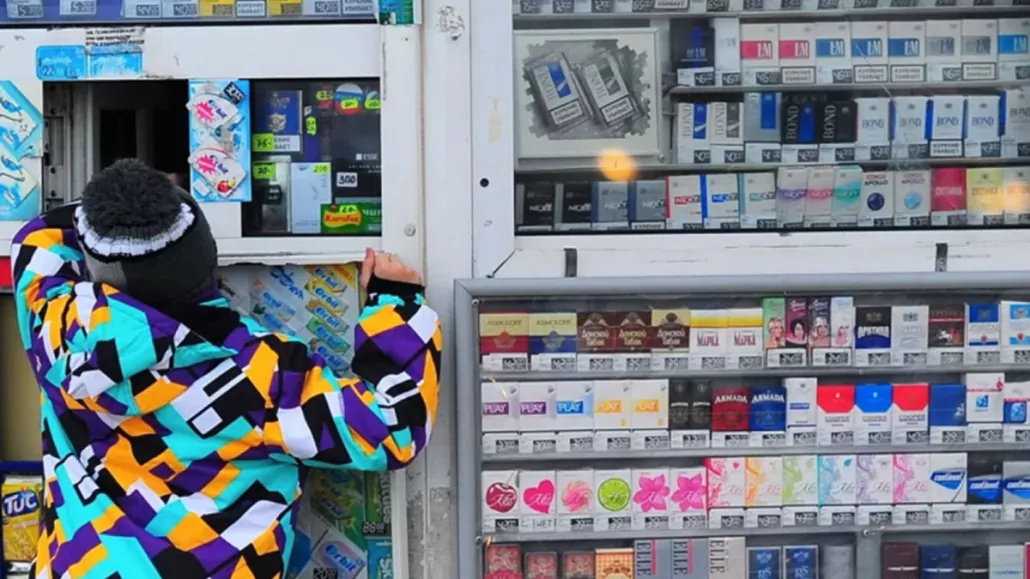
The Russian State Duma has taken a decisive step towards a total reset of the tobacco and nicotine market, approving a package of three interconnected bills in their first reading. This legislative move signals a declaration of war against illegal tobacco, aiming to establish a control system comparable to the stringent regulations governing the alcohol industry. The reforms are not merely cosmetic; they represent a fundamental shift that could see traditional tobacco kiosks disappear and cigarette prices rise significantly in the coming years.
The proposed legislation creates a robust “architecture of control” designed to operate on administrative, financial, and criminal levels. Legislators are replicating a proven scheme: establishing total control through licensing across the entire supply chain, setting high financial barriers for market entry, and reinforcing these measures with the threat of criminal prosecution. Starting September 1, 2026, selling cigarettes or vapes without a special state license could become as legally perilous as illicit alcohol trade.
The Three Pillars of the New System
The legislative package consists of three key bills that work in concert:
- Administrative Framework: The first bill defines who can legally trade tobacco, sets strict requirements for retail outlets, and outlines the licensing process. It expands mandatory licensing beyond production and import to include wholesale trade, retail sales, and mobile trading. Crucially, it introduces a minimum area requirement for retail outlets (5 square meters, potentially up to 10 sq.m. by regional decision), a measure likely to impact thousands of small kiosks. It also formally defines “electronic nicotine delivery systems,” bringing vapes fully under regulation.
- Financial Barriers: The second bill amends the Tax Code to set significant state fees for licenses. An initial wholesale license will cost 800,000 rubles, while retail and mobile trading licenses will cost 20,000 rubles per year. These fees serve as both a revenue source and a market entry barrier.
- Criminal Liability: The third and most severe bill amends the Criminal Code (Article 171.4) to criminalize the retail sale of tobacco products without a license if committed on a large scale. This shifts the penalty from administrative fines to potential prison terms and asset confiscation, providing a powerful deterrent against the persistent illegal retail sector.
Implications: The “Domino Effect”
This systemic overhaul will have far-reaching consequences for all market participants:
- Big Retail Wins: Major chains like X5 Retail and Magnit are poised to benefit. While they will face millions in licensing costs, their business models can absorb these expenses. The mass exit of smaller competitors will free up market share, and they will gain a marketing advantage as “guaranteed legal” sellers.
- Small Business Crisis: Small shops and kiosks face a double blow of administrative hurdles and financial costs. Many may be forced to exit the tobacco market or close entirely due to the new area requirements and licensing fees.
- Consumer Impact: The availability of tobacco products will likely decrease as sales points consolidate into larger networks. Prices are expected to rise as retailers pass on licensing costs. However, consumers will theoretically gain better guarantees of product quality and safety.
- State Revenue: The government anticipates increased budget revenue from license fees and, more importantly, excise taxes as the gray market shrinks and turnover is legalized.
Timeline for Implementation
The transition to this “new reality” will be phased:
- March 1, 2026: Laws likely enter into force; companies can begin applying for licenses.
- September 1, 2026: Ban on unlicensed wholesale and retail trade begins; criminal liability for illegal retail sales takes effect.
- September 1, 2027: End of the transition period for retailers to bring outlets into compliance with new area and documentation standards.
- March 1, 2029: Deadline for regularizing data on vehicles for mobile trading.
By creating a transparent, controlled, and secure industry, the state aims to clear the market for large, financially stable players. Whether this system effectively eradicates the illegal market or drives it deeper underground remains to be seen, but the future of buying cigarettes and vapes in Russia is set to become more expensive and strictly regulated.

- Indonesia: Denpasar Updates Smoke-Free Bylaw to Tighten Vape Rules - October 20, 2026
- Teen Girls Surpass Boys in Vaping Rates, Reversing Historic Trends - October 20, 2026
- Alabama: Irondale Proposes Public Vaping Ban with Fines Reaching $200 - October 20, 2026