
US Tobacco & Vape Law Roundup: State Actions in November 2025
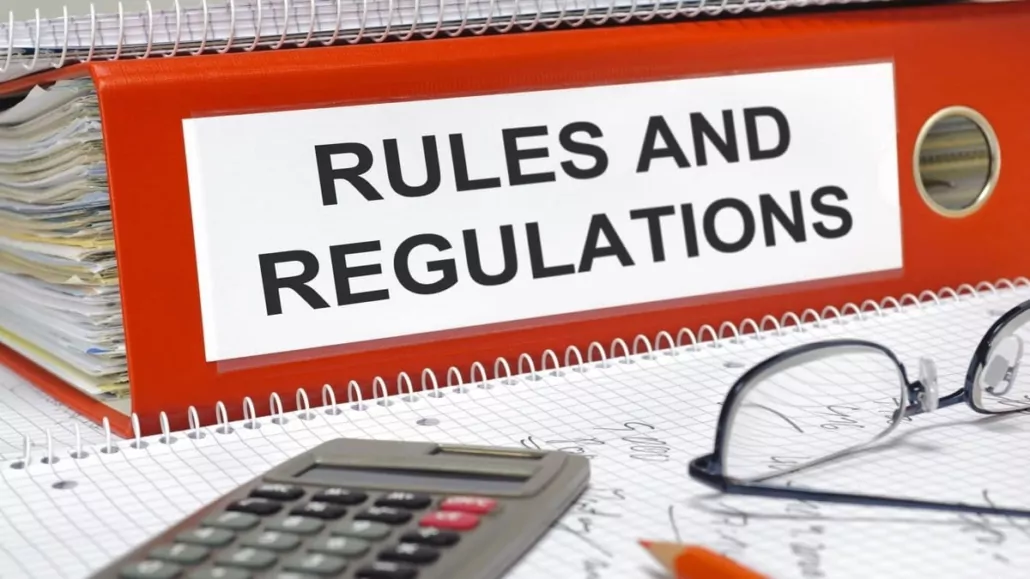
November 2025 brings a diverse wave of regulatory shifts across the United States, ranging from digital modernization in Georgia to aggressive fiscal policies in Oregon. While Kentucky prepares for a strict January 1 licensing mandate, Florida lawmakers are debating a public smoking ban that could inadvertently outlaw vaping in most public spaces. Meanwhile, Oregon is set to impose a specific tax on oral nicotine products, targeting the growing pouch market effective January 1, 2026.
Key Takeaways
- Oregon Tax: A new tax of 65 cents per pack on oral nicotine products takes effect Jan 1, 2026.
- Georgia Digital IDs: Retailers can now legally accept Mobile Driver’s Licenses (mDLs) for tobacco and alcohol purchases.
- Kentucky Crackdown: All tobacco/vape retailers must hold a state license by Jan 1 or face increased penalties.
- Florida Proposal: A marijuana public smoking bill could ban all tobacco vaping in parks, beaches, and restaurants.
- Minnesota Zoning: Sherburne County adopted a 500-foot buffer rule for new tobacco shops near schools.
Oregon: Targeting the Oral Nicotine Market
Starting January 1, 2026, Oregon will apply the state’s tobacco products tax to oral nicotine. The structure is specific: a flat rate of 65 cents for packages containing 20 or fewer units. For larger bulk packages exceeding 20 units, the tax applies at a rate of 0.0325 cents per unit. This move aligns oral nicotine pouches with other taxable tobacco commodities, closing a revenue gap as consumer preferences shift away from combustible cigarettes.
Florida: The “Public Place” Definition Battle
The proposed law, ostensibly aimed at banning public marijuana consumption, defines “public places” so broadly that it could prohibit all smoking and vaping (except unfiltered cigars) in parks, beaches, and even privately owned common areas like hotel lobbies and restaurants. Unlike current laws that allow local governments to enact outdoor bans, this state-level proposal would standardize the prohibition across Florida, potentially overriding local nuances.
Georgia: Modernizing Age Verification
The Georgia Department of Revenue Alcohol and Tobacco Division confirmed that Digital Driver’s Licenses (mDLs) are now a valid form of identification. This allows consumers to prove their identity and age for restricted purchases using their smartphones, streamlining the checkout process while maintaining compliance standards.
Kentucky: The Licensing Deadline Looms
By January 1, every business selling tobacco, nicotine, or vapor products must be licensed by the Department of Alcoholic Beverage Control. This is not merely administrative; the law empowers a new enforcement team to conduct unannounced compliance checks. Retailers caught selling to minors or stocking illegal products face increased fines, signaling a “zero tolerance” approach entering the new year.
Comparison Matrix: November 2025 Regulatory Actions
The following table contrasts the different regulatory levers pulled by state and local governments this month.
| Jurisdiction | Action Type | Specific Impact |
|---|---|---|
| Oregon | Taxation | $0.65 tax on oral nicotine packs (Jan 1, 2026). |
| Georgia | Modernization | Digital IDs accepted for age verification. |
| Kentucky | Licensing | Mandatory state license & unannounced checks. |
| Florida | Proposed Ban | Potential ban on vaping in all public/private common areas. |
| Sherburne County, MN | Zoning | 500ft school buffer & 18+ clerk age (July 2026). |
Minnesota: Local Control and Zoning
Sherburne County provides a case study in local zoning powers. The Board of Commissioners updated their tobacco ordinance to impose a 500-foot proximity limit from schools for any new tobacco shop licenses. Additionally, the ordinance sets a minimum age of 18 for clerks selling commercial tobacco products. These rules, effective July 1, 2026, reflect a split decision among commissioners, highlighting the ongoing tension between public health objectives and local business impacts.
Will Florida ban vaping in apartments?
The proposed Florida law defines “public places” to include privately owned common areas like apartment buildings. If passed as written, vaping in a lobby or shared hallway could become illegal statewide.

- Indonesia: Denpasar Updates Smoke-Free Bylaw to Tighten Vape Rules - October 20, 2026
- Teen Girls Surpass Boys in Vaping Rates, Reversing Historic Trends - October 20, 2026
- Alabama: Irondale Proposes Public Vaping Ban with Fines Reaching $200 - October 20, 2026
Related posts:
 Indonesia Urged to Refine Tax & Regulation for Nicotine Products
 Philippines DTI Tightens Rules on Vape Ads and Imports
 Colorado, Denver’s Flavored Tobacco Ban Battle Heats Up
 British Columbia’s Bill 24 to Sue Vape Industry Sparks Debate
 Is It Illegal to Vape and Drive in Iowa?
 Vape Ban 2026: New Federal “Seize & Destroy” Laws Explained

