
Vietnam Weighs Tobacco Display Ban as Australia’s Illicit Market Growth Offers Warning

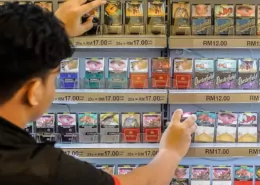
Vietnam’s Ministry of Health is finalizing draft amendments to the Law on Prevention and Control of Tobacco Harm, scheduled for submission at the 16th National Assembly’s second session. Central to the draft is a complete ban on displaying tobacco products at retail points of sale. While designed to curb youth smoking, international outcomes show that restricting legal display without strong market enforcement often fuels black-market trade.
Australia’s Experience: Retail Restrictions and the Rise of Smuggled Tobacco
Australia maintains some of the strictest anti-tobacco frameworks globally, pairing retail display prohibitions and plain packaging with high excise taxes. While these measures aimed to reduce smoking prevalence, they also created a price disparity that accelerated the growth of illegal tobacco networks.
Unlicensed shops selling smuggled cigarettes now operate openly across Australian urban centers, frequently reopening quickly after law enforcement inspections. The competition for illicit market share has triggered arson attacks, extortion, and violence between organized crime syndicates. By September 2026, surrounding commercial properties in affected areas faced escalating insurance premiums or outright coverage denials due to fire risks linked to nearby illicit tobacco storefronts.
Australian law enforcement agencies now recognize that policing retail shelves alone fails if authorities cannot disrupt illicit supply chains, border smuggling routes, and criminal financial transactions. When legal goods face severe retail friction while illicit products remain accessible, consumer demand moves underground rather than disappearing.
Policy Design: The New Zealand Alternative
New Zealand adopted a structured approach to reduce tobacco visibility without completely severing transactional clarity. Under its legal framework, tobacco products must not be visible from outside retail premises or within public areas inside the store.
Instead of treating all product data as prohibited advertising, New Zealand regulations permitted standardized, text-only notices indicating product availability, names, and prices. This clear boundary between promotional marketing and basic transaction details gave retailers a viable compliance path while maintaining visibility restrictions.
Implications for Vietnam’s Retail Sector
Implementing a retail display ban in Vietnam involves unique operational hurdles due to the country’s fragmented retail network. Data presented at an August 2026 Vietnam Chamber of Commerce and Industry (VCCI) workshop highlighted that Vietnam has more than 5 million household businesses. A survey conducted in April 2026 revealed that 81.5% of these small businesses anticipated lower revenues, with 33% considering downsizing.
For small-scale vendors, sudden regulatory mandates create compliance expenses that can threaten business viability. If legal retail points face tight controls while unregulated street vendors sell contraband, the commercial advantage shifts directly to illicit operators.
Three Pillars for Effective Implementation
To avoid the unintended market distortions seen in Australia, regulatory experts point to three technical necessities for Vietnam’s draft legislation:
- Targeted Regulatory Scope: Focus restrictions on retail areas with direct public and youth exposure to eliminate implementation ambiguities.
- Information vs. Promotion: Distinguish between commercial advertising and essential transactional data, such as standardized price lists and product names.
- Transition Timelines and Supply Enforcement: Provide a phased adjustment period for small retailers while improving supply chain controls, digital tax stamps, electronic invoicing, and border anti-smuggling operations.

- Ukraine Postpones Digital e-Excise Rollout to July 2027 - October 16, 2026
- Italy Raises Prices on Rolling Tobacco, Heated Sticks, and Cigars - October 15, 2026
- German Committee Approves Tobacco Tax Hike, Raising Cigarette Prices by €4 by 2030 - October 15, 2026
Related posts:
 Nevada Tobacco Coalition Pushes First Tax Hike Since 2015
 Low-Nicotine Cigarettes Do Not Cause More Smoking, Study Finds
 UK Vape Display Ban May Increase Smoking, We Vape Warns
 Vaping in 2026: Why Familiarity Now Outweighs Novelty
 Malaysia Implements Ban on Open Display of Tobacco Products
 India Orders Nationwide Crackdown on Nicotine Pouches

