
Tobacco & Vapes Bill: 5 Risks for UK Convenience Stores
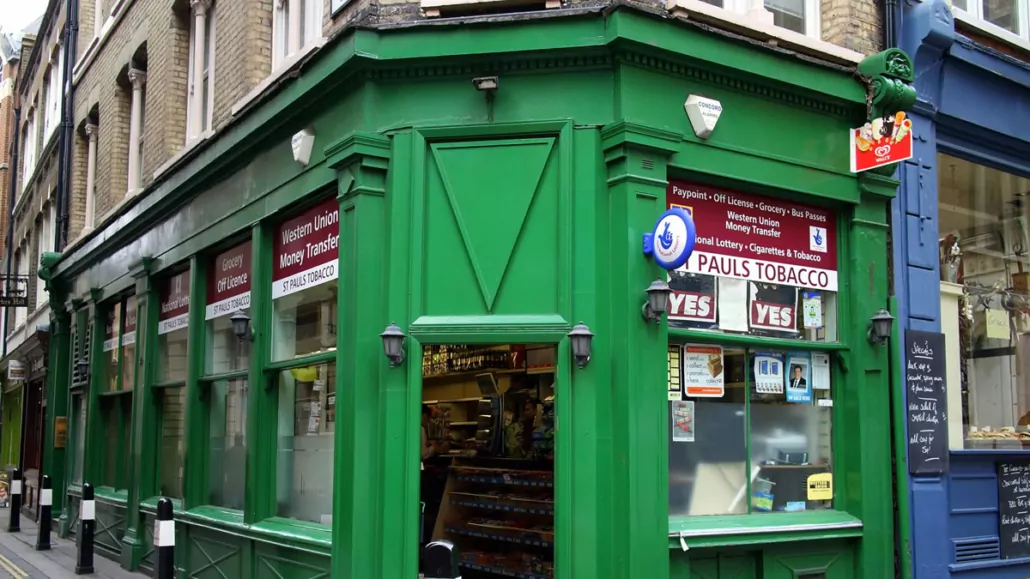
As the UK Government’s landmark Tobacco and Vapes Bill progresses through Parliament, aiming to create a “smoke-free generation,” alarm bells are ringing within the convenience retail sector. While the public health ambition is clear, independent shop owners across the country are raising urgent questions about the practical and financial implications of the proposed legislation. Many warn that without significant amendments or support, the Bill could impose crippling operational burdens, new costs, and even heighten risks to staff safety.
Here are five critical ways the new laws could reshape the daily reality for convenience stores, sparking a nationwide campaign for a more balanced approach.
1. The Generational Sales Ban: An Enforcement Nightmare?
Perhaps the most headline-grabbing element of the Bill is the Generational Sales Ban, which proposes raising the legal age for tobacco sales by one year, every year, starting in 2027. This means retailers will eventually face a scenario where they must refuse sales to customers who are 40, 50, or even 60 years old because they fall just outside the cutoff date.
Retailers fear this will create a logistical and safety nightmare. Staff will be on the front line of enforcing complex, ever-changing age rules, potentially provoking conflict and abuse from customers who feel unfairly targeted. Despite these heightened risks, store owners say they have received no offers of additional support from local authorities, no funding for specialized training, and no new protections against the violence and abuse that is already a plague on the sector.
2. New Licensing Costs with “Zero Benefit”
The Government is considering a new licensing regime for selling nicotine products. While large supermarket chains might absorb these costs easily, independent retailers—already squeezed by soaring energy bills, inflation, and wage hikes—fear another overhead could be the final straw. Crucially, retailers argue this fee offers no tangible return. Unlike alcohol licensing, which theoretically links to enforcement support, the proposed nicotine license offers no promise of cracked-down action against illicit traders, who remain a primary threat to legitimate businesses. Retailers feel they are being asked to pay more for less protection.
3. Standard Packaging Risks Confusing Consumers
Despite acknowledging vapes as a less harmful alternative to smoking, the Bill proposes forcing all nicotine products, including vapes, into standardized, plain packaging kept behind the gantry. Retailers argue this visual equation of vapes with cigarettes could disastrously undermine public health messaging. It risks confusing adult smokers looking to switch to a safer alternative, creating yet another barrier to informed choice and adding to the operational headache of managing stock.
4. Ban on In-Store Displays Blocks Harm Reduction
A proposed blanket ban on the display of all nicotine products, including vapes and pouches, is seen by retailers as a block on harm reduction. For many stores, these displays are vital for signposting alternatives to adult smokers. Retailers question the logic of restricting their ability to communicate lawful product information if the Government truly believes vapes are a key tool for reducing smoking rates. They warn this mixed messaging could simply push smokers back to cigarettes or towards the illicit market.
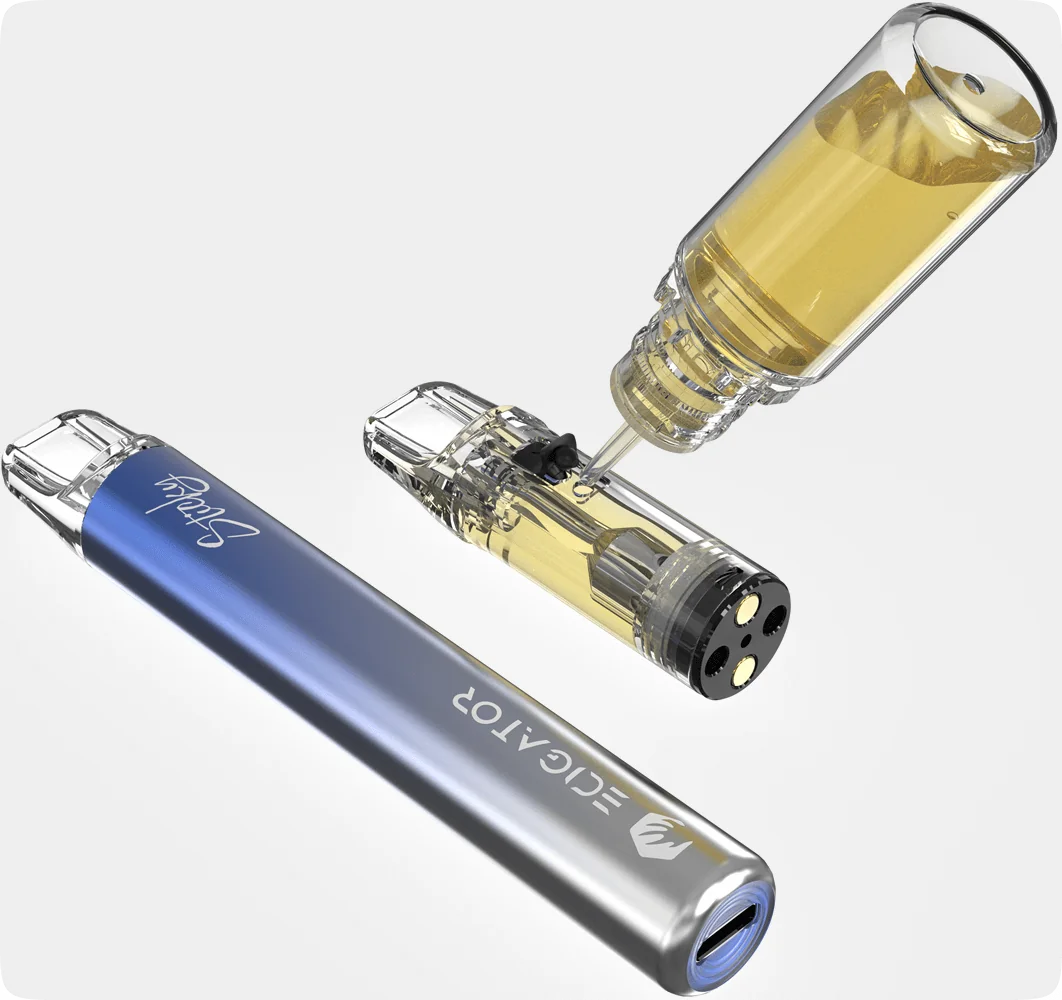
Ecigator Open Pod Kit for Starters
The Ecigator Sticky Refillable Open Pod Kit is a new type of vape device designed for beginners. It features a refillable pod and a rechargeable battery.
This means you don’t need to throw away a disposable prefilled pod — simply refill it instead. Each pod supports approximately 7–8 refills, and you can switch e-liquids to enjoy different flavors.
5. Revenue Risks: “We Could Lose Everything”
Tobacco and nicotine products remain a cornerstone revenue stream for convenience stores, driving significant footfall and additional purchases. Any policy that drastically reduces this category will have a knock-on effect across the entire business, shrinking margins and threatening viability. For independent and rural shops operating on razor-thin margins, a significant drop in revenue could lead to closures, stripping communities of essential local services.
The “Protect Your Store” Campaign Rallies Opposition
These concerns have coalesced into the “Protect Your Store” campaign, led by industry advocate Paul Cheema. While supporting the goal of reducing smoking, Cheema argues the current Bill places a disproportionate and unfair burden on the very businesses that anchor local economies. The campaign highlights the lack of resources for enforcement, the risk of violence, the failure to tackle illicit trade, and the financial strain on small shops.
Protect Your Store is calling for a balanced approach that safeguards both public health and the future of small businesses, urging retailers to write to MPs and mobilize before the Bill becomes law. For many in the sector, this is a pivotal moment that could define the future of convenience retailing for decades.
- Retailers who want to support the campaign can find out more below: https://protectyourstore.co.uk/
- Source: TOBACCO & VAPES BILL: 5 WAYS CONVENIENCE STORES COULD BE HIT HARD

- Indonesia: Denpasar Updates Smoke-Free Bylaw to Tighten Vape Rules - October 20, 2026
- Teen Girls Surpass Boys in Vaping Rates, Reversing Historic Trends - October 20, 2026
- Alabama: Irondale Proposes Public Vaping Ban with Fines Reaching $200 - October 20, 2026