A Comprehensive Guide to U.S. Vaping Laws in 2025
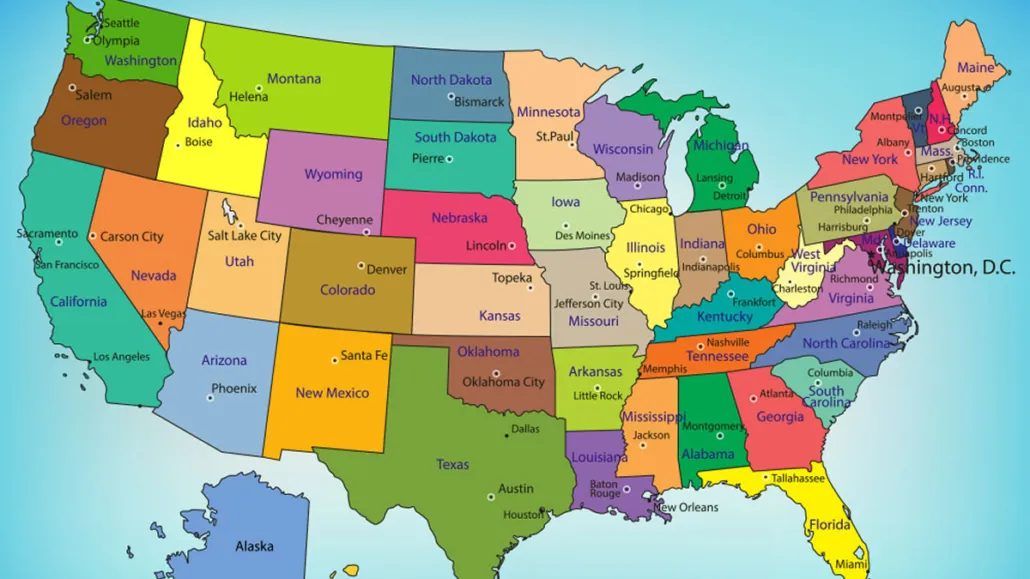
The vaping industry in the United States continues its rapid evolution, and with it, the legal landscape struggles to keep pace. As of 2025, a complex patchwork of federal, state, and sometimes local regulations governs the sale, marketing, taxation, and use of e-cigarettes and other vapor products. For consumers, retailers, and manufacturers, staying informed about these often-changing rules is not just advisable, but essential for legal compliance and responsible participation in the market. This guide provides a comprehensive overview of key vaping regulations across the U.S. in 2025, from federal oversight by the FDA to the diverse approaches taken by individual states regarding age restrictions, flavor bans, taxation, public use, and retailer licensing.
Federal Oversight: The FDA’s Continuing Role
At the national level, the U.S. Food and Drug Administration (FDA) remains the primary regulatory authority for all tobacco products, a category that legally includes e-cigarettes and other electronic nicotine delivery systems (ENDS). This authority stems from the Family Smoking Prevention and Tobacco Control Act, enacted in 2009, and subsequent deeming regulations.
A critical aspect of FDA regulation is the Pre-Market Tobacco Product Application (PMTA) process. Generally, any new vaping product introduced to the market after August 8, 2016 (though some interpretations now point to products marketed after 2024 requiring PMTA if significantly modified), must obtain FDA marketing authorization before it can be legally sold. This rigorous review process requires manufacturers to submit detailed scientific data demonstrating that their product is “appropriate for the protection of public health.” The FDA evaluates ingredients, manufacturing processes, potential health risks, and the product’s appeal to both current smokers (as a potential harm reduction tool) and non-users, particularly youth.
As of 2025, only a limited number of vaping products have successfully navigated the PMTA process and received marketing granted orders (MGOs). The vast majority of applications, especially for flavored products, have been denied, leading to a market where many widely available items, particularly disposable vapes, may not have explicit FDA marketing authorization. This has created significant enforcement challenges and market uncertainty.

Key Regulatory Themes Across the U.S. in 2025
While the FDA sets federal standards, individual states have enacted a wide array of their own laws, creating a diverse and sometimes conflicting regulatory environment. Several key themes emerge when examining state-level vaping laws in 2025:
1. Age Restrictions: Universal Adherence to Tobacco 21
A significant area of uniformity is the minimum legal sales age (MLSA) of 21 for all tobacco and vaping products. Following federal legislation passed in December 2019, all 50 states, the District of Columbia, and all U.S. territories now prohibit the sale of these products to individuals under 21 years of age. Enforcement of this “Tobacco 21” law has intensified nationwide. Retailers are mandated to implement robust age verification methods, often requiring electronic ID scanning for anyone appearing under a certain age (e.g., 27 or 30, depending on state or local rules). Penalties for selling to underage individuals are significant and can include hefty fines, mandatory retailer education programs, and suspension or revocation of sales licenses.
2. Restrictions on Flavored Vaping Products
Flavor bans remain one of the most debated and varied aspects of vaping regulation. Driven by concerns over the appeal of flavored products (especially fruit, candy, and dessert flavors) to youth, several states and numerous localities have implemented restrictions:
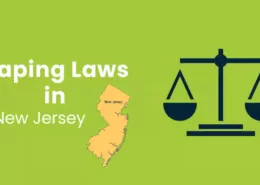
- Comprehensive Flavor Bans: States like California, Massachusetts, New York, New Jersey, and Rhode Island maintain comprehensive bans on the sale of all flavored e-cigarettes, typically with exceptions only for tobacco (and sometimes menthol, though Massachusetts includes menthol in its ban). California’s ban, effective January 1, 2025, was notably expanded to include online sales and nicotine analogs, aiming to close potential loopholes.
- Partial Flavor Restrictions: Other states, such as Maryland and Utah (though Utah’s planned broader ban remains on hold due to a temporary restraining order as of early 2025), have implemented partial restrictions, often limiting the sale of flavored products to age-restricted adult-only vape shops or allowing only specific flavors like tobacco, menthol, or mint in general retail.
- No Statewide Flavor Bans: Many states still have no statewide restrictions on flavored vaping products, leaving availability largely determined by local ordinances or federal FDA enforcement actions against unauthorized products.
The debate over flavor bans continues, with public health advocates pushing for broader prohibitions to protect youth, while some harm reduction proponents and industry groups argue that flavors are crucial for helping adult smokers switch from combustible cigarettes.
3. Taxation of Vaping Products: A Growing Revenue Source and Deterrent
Taxation of e-cigarettes and vaping products has become increasingly common as states seek both to generate revenue and to discourage use, particularly among price-sensitive youth. As of late 2024 and into 2025, approximately 33 states, the District of Columbia, Puerto Rico, and the U.S. Virgin Islands impose excise taxes on these products. Tax structures vary widely:
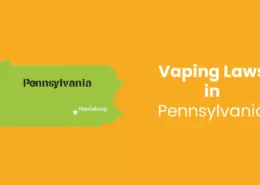
- Per-Milliliter Tax: Some states levy a tax based on the volume of e-liquid, such as Illinois ($2.50/mL), Pennsylvania ($0.40/mL initially, with potential adjustments), or Connecticut ($0.40/mL for prefilled, non-refillable cartridges).
- Percentage of Wholesale Price: Other states apply a tax as a percentage of the wholesale price, for example, Oregon (65%), Massachusetts (75%), or Colorado (56% in 2024, scheduled to rise to 62% after June 2027).
- Bifurcated Taxes: Some states have different tax rates for open-system (refillable) e-liquids versus closed-system (prefilled pods/cartridges) products.
These taxes significantly increase the retail cost of vaping products, and the revenue generated is often earmarked for public health initiatives, tobacco prevention programs, or general state funds.
4. Public Vaping Bans and Restrictions: Expanding Smoke-Free Air Laws
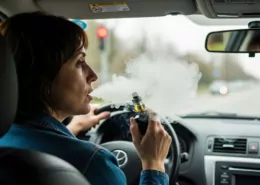
Many states and localities have extended their existing smoke-free indoor air laws to include e-cigarettes, prohibiting vaping in the same places where traditional smoking is banned. As of 2025, approximately 20 states, the District of Columbia, and Puerto Rico have comprehensive smoke-free laws that explicitly cover e-cigarettes in private worksites, restaurants, and bars. These states include:
California, Colorado, Connecticut, Delaware, Hawaii, Illinois, Kansas, Maine, Maryland, Massachusetts, New Jersey, New Mexico, New York, North Dakota, Oregon, Rhode Island, Utah, Vermont, and Washington. (Note: The provided list had 19, this is based on common knowledge of comprehensive states, always verify with current state laws.)
Beyond these comprehensive states, many others have partial bans (e.g., in government buildings, schools, healthcare facilities) or allow local municipalities to enact stricter public vaping ordinances. This means that even in states without a statewide indoor vaping ban, specific cities or counties may have their own rules.
5. Licensing Requirements for Vape Shops and Retailers
To better control the sale and distribution of vaping products and ensure compliance with age restrictions and other regulations, a majority of states now require retailers to obtain a specific license to sell e-cigarettes over the counter. As of 2025, approximately 36 states, the District of Columbia, and several U.S. territories have such licensing requirements. Examples include:
Alabama, Alaska, Arizona, Arkansas, California, Colorado, Connecticut, Delaware, Georgia, Hawaii, Illinois, Indiana, Kentucky, Louisiana, Maine, Maryland, Massachusetts, Michigan, Minnesota, Missouri, Nevada, New Jersey, New Mexico, New York, Ohio, Oklahoma, Oregon, Pennsylvania, Rhode Island, South Dakota, Tennessee, Texas, Utah, Vermont, Washington, and West Virginia.
Licensing fees typically range from $500 to $1,500 annually per retail location, though this can vary. Some states or localities may also impose zoning restrictions, such as prohibiting vape shops from opening within a certain distance of schools or other youth-frequented areas.
State-by-State: A Diverse Regulatory Picture
The true complexity of U.S. vaping laws becomes apparent when looking at individual states, as each tailors its approach. Below are highlights for several states, reflecting the information provided for 2025 (note: regulations are constantly subject to change, and this is not exhaustive but illustrative of the diversity):
- Alabama: Increased excise taxes ($0.75/mL), retailer license ($750/year), age 21 with electronic ID verification. No statewide public vaping ban, but local rules may apply.
- Alaska: Retailer license ($1,000/year), stricter e-ID verification, 20% wholesale tax. No statewide flavor or public use bans.
- Arizona: Retailer license ($800/year), vaping banned on state property, 25% wholesale tax. No state flavor ban.
- Arkansas: Tax at $1.00/mL, retailer license ($600/year). No statewide flavor or public use bans, but local rules exist.
- California: Comprehensive flavor ban (including online and menthol), public vaping ban (indoor workplaces, restaurants, bars), retailer license ($1,500/year), 60% wholesale tax. Rigorous e-ID enforcement.
- Colorado: Public vaping ban (indoor workplaces, restaurants, bars), retailer license ($900/year), 35% wholesale tax (rising). No state flavor ban, but local bans (e.g., Denver).
- Connecticut: Public vaping ban (indoor workplaces, restaurants, bars), retailer license ($1,200/year), 40% wholesale tax. No state flavor ban. Stricter e-ID (biometric scanning mentioned).
- Delaware: Public vaping ban (indoor workplaces, restaurants, bars), retailer license ($800/year), tax at $1.25/mL. No state flavor ban.
- Florida: Stricter e-ID verification (fines up to $3,000), 30% wholesale tax. No retailer license requirement or state flavor ban. Public vaping generally permitted indoors, but local rules vary.
- Illinois: Public vaping ban (indoor workplaces, restaurants, bars), retailer license ($1,200/year), high tax of $2.50/mL. Flavors legal statewide.
- Massachusetts: Comprehensive flavor ban (including menthol), public vaping ban (indoor workplaces, restaurants, bars), retailer license ($1,500/year), 75% wholesale tax. Rigorous e-ID (biometric mentioned).
- New York: Comprehensive flavor ban (except tobacco/menthol), public vaping ban (indoor workplaces, restaurants, bars), retailer license ($1,300/year), 60% wholesale tax. Stricter e-ID (biometric).
- Ohio: State flavor ban enacted in 2025, retailer license ($900/year), tax at $1.20/mL. Public vaping unrestricted at state level.
- Texas: State flavor ban enacted in 2025, retailer license ($900/year), tax at $1.20/mL. Public vaping unrestricted at state level.
- Utah: Planned flavor ban (Jan 1, 2025) on hold due to court order. Public vaping ban (indoor workplaces, restaurants, bars), retailer license ($1,000/year), 45% wholesale tax.
- Washington: State flavor ban, public vaping ban (indoor workplaces, restaurants, bars), retailer license ($1,300/year), 80% wholesale tax (one of the highest).
Read more:
Vaping Laws in the U.S. by State (2023 version)
A Comprehensive Overview of U.S. State E-Cigarette Policies in 2025
(This list is illustrative based on the current info. For precise, current laws, always consult official state health department or legislative websites.)
Ecigator is one of the well-known vape brands spun off from KangSiDe Technology Co., Ltd, it’s an ISO-certified disposable vape manufacturer for OEMs, ODMs, and OBM since 2010. The founder team comes from top firms with more than 10 years of experience in the vaping industry and has devoted thousands of hours to providing users with a better and better experience.
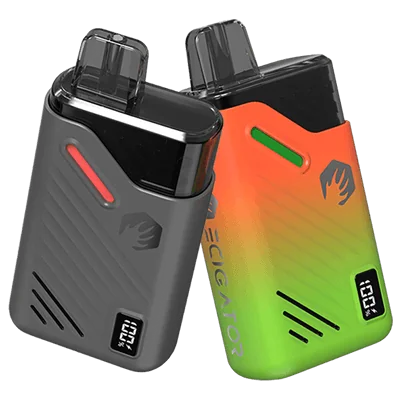
18K Disposable Pod Kit
Disposable Pod Kit – 18ml changeable pod with 650mAh rechargeable battery.
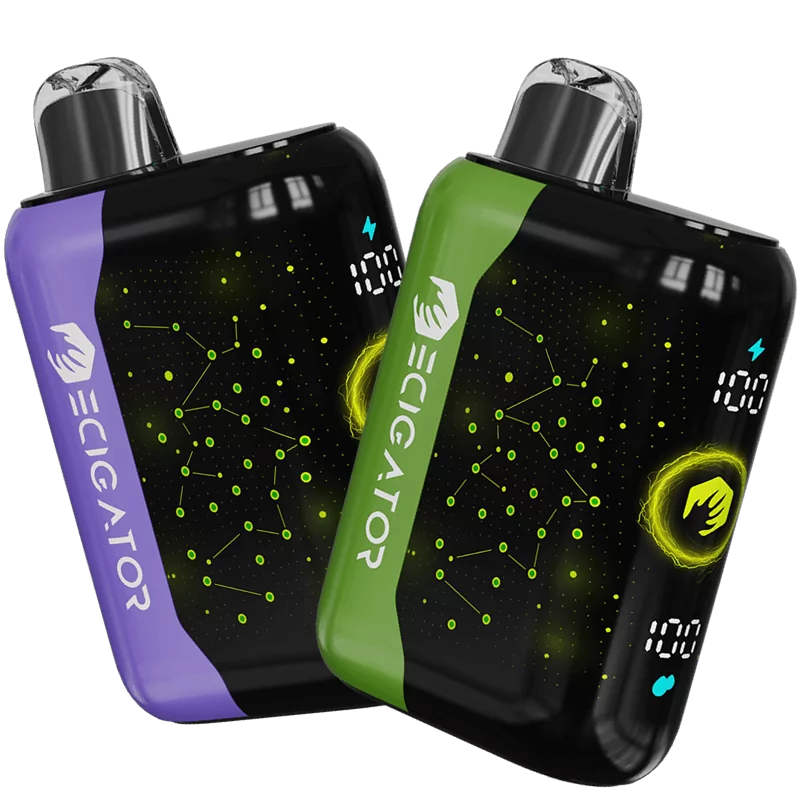
35K with Large Screen
35000 Puffs Disposable Vape with 3D galaxy screen. Eco and Pulse working modes.
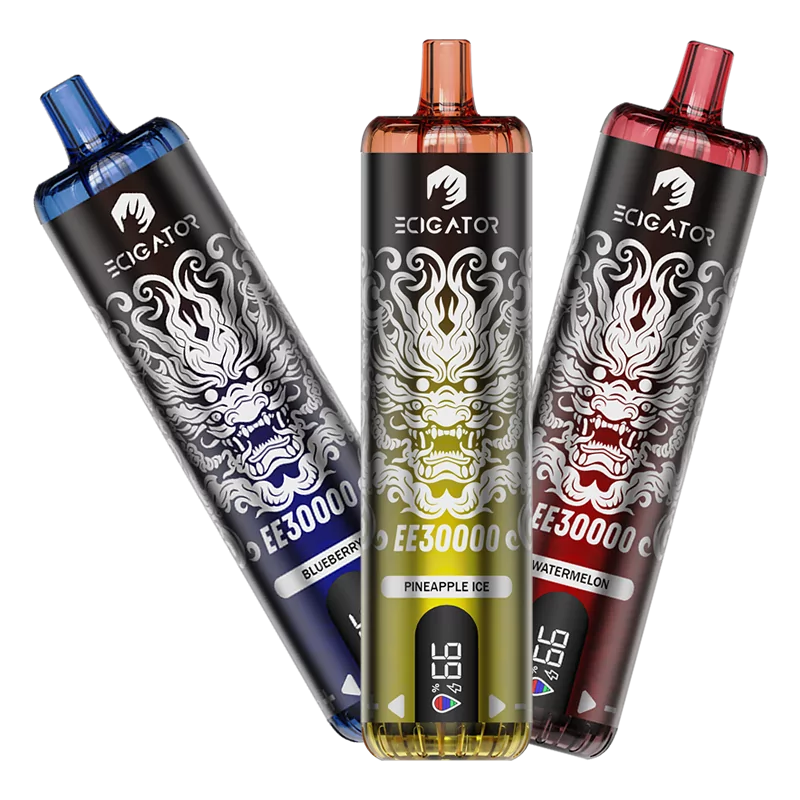
30K DTL Disposable
30K Puffs DTL(Directly to Lung) disposable vape with airflow control and screen.
The Path Forward: An Evolving Regulatory Environment
The regulatory landscape for vaping products in the United States in 2025 is more defined and restrictive than ever before, yet it remains in a state of continuous evolution. The FDA’s PMTA process continues to be a major factor determining legal product availability, while states actively legislate on issues like flavors, taxation, and public use to address local public health priorities, particularly the ongoing concern of youth vaping. Online sales face heightened scrutiny with stricter age verification and shipping rules. For all stakeholders – from consumers making personal choices to businesses navigating compliance – staying informed about this dynamic interplay of federal and state regulations is absolutely critical. As new research emerges and societal views adapt, further changes to vaping laws are almost certain in the years to come.

- Mexico Passes Stricter Tobacco Law as Experts Warn of Cartel Trade - October 9, 2026
- FDA Tobacco Review Delays Threaten Public Health, GAO Report Reveals - October 9, 2026
- USA Northeast Vape Laws in 2026: State Taxes & Flavor Bans - October 9, 2026