
How to Quit Smoking for Good: What are the Most Effective Science-Backed Strategies?
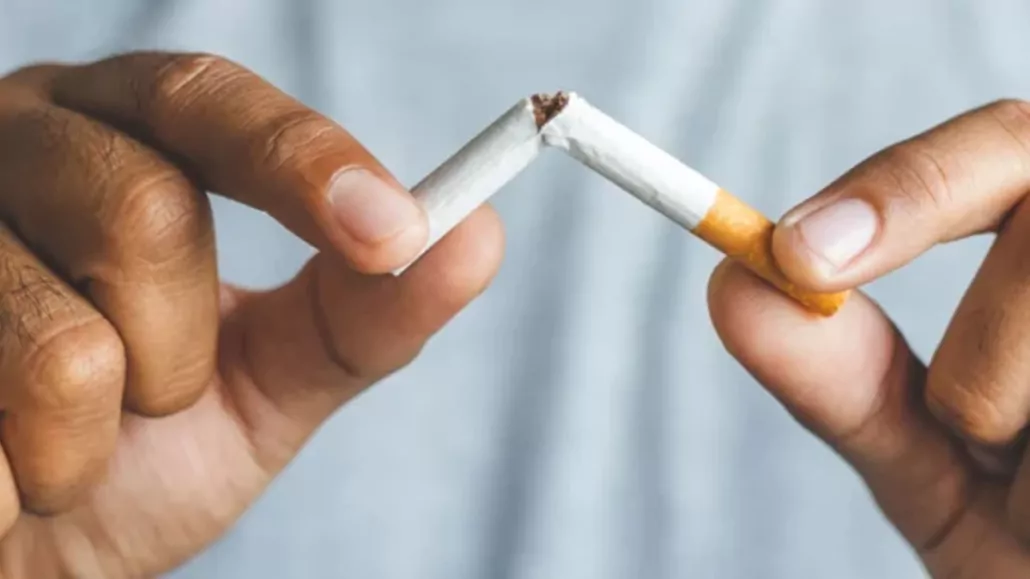
Quitting smoking requires a multi-modal approach combining behavioral therapy, pharmacological aids like Nicotine Replacement Therapy (NRT), and environmental trigger management. By setting a firm quit date and utilizing harm-reduction tools such as regulated vaping, smokers can mitigate withdrawal symptoms. Long-term success relies on stress-reduction techniques and a structured support network to prevent relapse.
The Neurobiology of Addiction: Why Quitting is a Physiological Battle
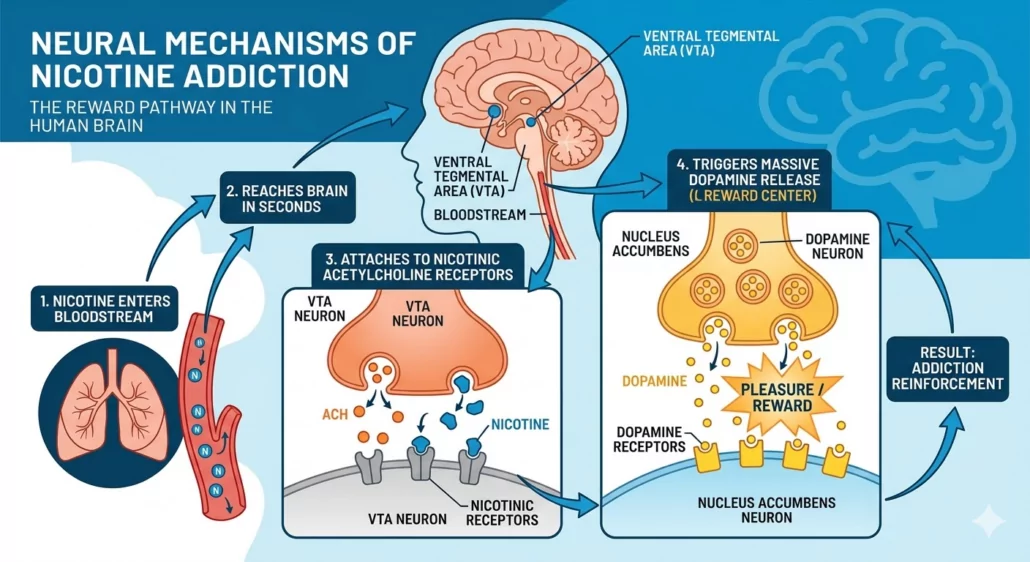
Nicotine addiction is not merely a “bad habit”; it is a complex neurological dependency. When nicotine enters the bloodstream, it reaches the brain within seconds, attaching to nicotinic acetylcholine receptors. This triggers a massive release of dopamine in the nucleus accumbens—the brain’s reward center. Over years of use, the brain undergoes “upregulation,” creating more receptors to handle the nicotine load. When you stop, these receptors go unsatisfied, leading to the acute irritability, anxiety, and cognitive fog known as withdrawal syndrome.
In 2026, clinical understanding emphasizes that the first 72 hours are the most critical, as this is when physical nicotine levels plummet. Understanding that these cravings are temporary chemical imbalances—rather than permanent states of being—is the first step in psychological decoupling from the cigarette.
Phase 1: The Strategic Preparation and the “Quit Date”
Success in smoking cessation is rarely accidental. It requires a “pre-quit” phase. Experts suggest choosing a Quit Date within a two-week window. This period is essential for environmental “de-nicotinization.” You must purge your immediate surroundings—car, home, and office—of all smoking paraphernalia. This includes lighters, ashtrays, and even “emergency” packs hidden in drawers.
Identifying and Neutralizing Triggers
Triggers are the primary cause of early-stage relapse. These are often categorized into four types:
- Emotional Triggers: Stress, loneliness, or even intense excitement.
- Pattern Triggers: Activities associated with smoking, such as drinking coffee, driving, or finishing a meal.
- Social Triggers: Being around other smokers or at social gatherings where alcohol is served.
- Withdrawal Triggers: Smelling smoke or feeling a sudden dip in energy levels.
By identifying these patterns in a “craving journal,” you can develop if-then strategies. For example: “If I feel stressed at work, then I will practice five minutes of box breathing instead of going to the smoking area.”
Phase 2: Pharmacological Intervention and Harm Reduction
Cold turkey remains the most common method but has the lowest long-term success rate (approximately 3-5%). Combining behavioral changes with Nicotine Replacement Therapy (NRT) or regulated vaping significantly increases the statistical probability of permanent cessation.
Nicotine Replacement Therapy (NRT)
NRT works by delivering nicotine without the 7,000 chemicals and 70 known carcinogens found in combustible tobacco. The NHS often recommends a “combination therapy” approach: using a long-acting patch for steady-state nicotine levels and a short-acting product (gum or lozenge) for breakthrough cravings.
Vaping as a Transitional Bridge
For many adult smokers, the “hand-to-mouth” ritual is as addictive as the nicotine itself. This is where regulated vaping serves as a harm-reduction tool. Devices like the Hayati Pro Max offer a TPD-compliant method to replicate the sensory experience of smoking without the combustion of tobacco. By utilizing Hayati Pro Ultra Plus pods, users can gradually step down their nicotine concentrations—e.g., moving from 20mg to 10mg, and eventually to nicotine-free options.
Industry Skepticism: While Public Health England maintains that vaping is 95% less harmful than smoking, it is not risk-free. The goal of using a vape should be a “bridge to zero,” not a permanent replacement. Non-smokers should never initiate vaping, and adult smokers should aim for eventual total nicotine independence.
Phase 3: Behavioral Rewiring and Lifestyle Integration
Once the physical withdrawal subsides (usually after 2-4 weeks), the battle shifts to long-term behavioral maintenance. This involves replacing the “stress-relief” illusion of smoking with actual physiological stress management.
| Cessation Method | Mechanism of Action | Estimated Efficacy (with support) |
|---|---|---|
| Cold Turkey | Abrupt cessation with no aids. | 3% – 5% |
| NRT (Single) | Patches or gum only. | 10% – 15% |
| Combination NRT | Patch + short-acting lozenge. | 20% – 25% |
| Vaping (Regulated) | Aerosol delivery; behavioral mimicry. | 18% – 30% |
| NRT + Counseling | Pharmacology + Behavioral Therapy. | 35% + |
The Role of Physical Activity
Exercise is a natural “dopamine hack.” Short bursts of high-intensity activity or steady-state cardio (like swimming or cycling) release endorphins that compete with nicotine cravings. Furthermore, exercise helps mitigate the metabolic slowdown that often follows quitting, preventing the common concern of post-cessation weight gain.
Dietary Adjustments for Detoxification
Nicotine alters your sense of taste and smell. As these return, many ex-smokers find themselves craving sugary snacks. To stabilize blood sugar and reduce irritability, focus on a diet rich in complex carbohydrates (whole grains), magnesium (leafy greens), and Vitamin C, which is often depleted in chronic smokers. Hydration is equally vital; water helps flush residual nicotine metabolites from the renal system faster.
Navigating the “Slip” vs. The “Relapse”
A “slip” is a single cigarette; a “relapse” is a return to the habit. The psychological Abstinence Violation Effect often leads people to give up entirely after one mistake. In 2026, cessation experts advocate for a “growth mindset.” If a slip occurs, analyze the trigger immediately. Was it alcohol? A specific person? A high-stress event? Use that data to harden your defenses for the next day. You haven’t “lost” your progress; you have simply encountered a flaw in your strategy that needs adjustment.
The Immediate and Long-Term Health Dividend
The human body possesses an incredible capacity for repair. The timeline of recovery is a powerful motivator:
- 20 Minutes: Heart rate and blood pressure begin to stabilize.
- 12 Hours: Carbon monoxide levels in the blood return to normal, increasing oxygenation to the brain.
- 72 Hours: Bronchial tubes relax, and breathing becomes noticeably easier.
- 1 Year: The risk of a myocardial infarction (heart attack) drops by 50%.
- 10 Years: The risk of lung cancer is halved compared to a continuing smoker.
Economic Trade-offs: Beyond health, the financial dividend in the UK is staggering. With the average price of a pack of 20 cigarettes exceeding £15, a pack-a-day smoker stands to save over £5,400 per year. This “smoking tax” on personal wealth is a significant driver for many young families choosing to quit in 2026.

- Which States Still Grow America’s Tobacco? The Post-Buyout Era - June 17, 2026
- Pennsylvania: Pittsburgh Passes Strict Vape Shop Zoning Bill - June 10, 2026
- Ohio: Yellow Springs Halts New Smoke Shops with 180-Day Freeze - June 10, 2026
Related posts:
 Bulgarian Passes Bill Banning Vape Sales to Minors
 Vaping & Nicotine Pouches vs. Smoking: Oral Health Risks Compared
 Vape Excise Tax in Canada and How to Calculate
 South Korea Bans E-Cigarette Vending Machines Near Schools
 Norway’s New Vape Regulations Guide for Consumers, Retailers
 West Virginia Passes Bill Banning Smoking in Cars with Children Under 16

