
JUUL and Altria Appeal B.C. Court Certification of Vape Class Action
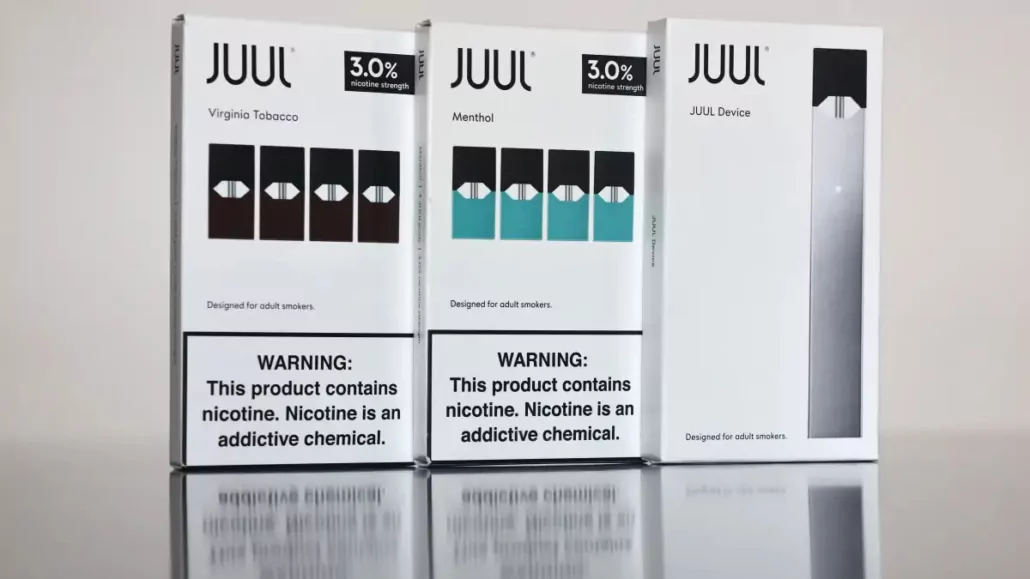
E-cigarette manufacturer JUUL Labs and tobacco giant Altria Group have appealed a British Columbia Supreme Court decision certifying a class action lawsuit. The suit alleges the companies deceptively marketed vaping products as safe alternatives to smoking, sparking criticism from health advocates who accuse the firms of delaying accountability.
The legal action, initiated in 2019 by representative plaintiffs Owen Mann-Campbell and Robert Osborn, claims JUUL and Altria are liable for negligence, unjust enrichment, and breaches of consumer protection laws. While Justice Christopher Giaschi certified the case on July 15, the companies filed their intent to appeal on August 13.
Health Advocates Criticize Legal Delays
Rob Cunningham of the Canadian Cancer Society stated that the appeal aligns with historical tobacco industry litigation tactics. He noted that companies often try to prolong court cases to defer financial payouts.
“The appeal is part of a long-standing tobacco industry strategy of delay, delay, delay,” Cunningham said. “They want to avoid this case getting to trial, as much as possible, to also then delay having to pay damages.”
Cunningham pointed to past tobacco lawsuits, such as a 2025 settlement where three class action claims resulted in a $32.5 billion payout. Those cases took 27 years to resolve. While he expects the JUUL lawsuit to move faster, he anticipates other e-cigarette manufacturers will be added as defendants if the case proceeds.
B.C. Government Seeks Health-Care Cost Recovery
Parallel to the class action, the B.C. government has launched its own legal action against JUUL. Enabled by the Vaping Product Damages and Health Care Costs Recovery Act passed in 2025, the province aims to claw back public funds spent on treating vaping-related health issues.
“JUUL’s development of highly addictive nicotine salts, product design and youth-friendly flavours caused many youth and non-smokers to become addicted to nicotine,” Attorney General Niki Sharma stated when the legislation was passed.
Demands for Stricter Vaping Controls
Health groups are using the legal spotlight to push for tighter provincial rules. Citing research that links youth vaping to future cigarette use, as well as studies connecting e-cigarettes to oral and lung cancers, Cunningham urged B.C. to take immediate regulatory action.
“The B.C. government needs to do a lot more to reduce vaping,” Cunningham said, calling for the legal age to be raised from 19 to 21, alongside bans on advertising and flavored products.
In response, B.C.’s Health Ministry pointed to existing measures, including the 2020 E-Substances Regulation, which restricts flavors and nicotine limits, and ongoing youth awareness campaigns.

- Turkey to Require National ID Numbers for Tobacco and Cigarette Sales - October 12, 2026
- Australia Cuts Smoking Rates but Fuels Tobacco Black Market - October 10, 2026
- Mexico Passes Stricter Tobacco Law as Experts Warn of Cartel Trade - October 9, 2026
Related posts:
 Australia’s Smoking Rates Hit Historic Low as Daily Smokers Fall to 5.6%
 New Zealand to Ban Vaping in Bars and Workplaces
 Scotland Considers 15m Vape Ban Around Schools and Playgrounds
 Two-Thirds of Brits Oppose Generational Smoking Ban: Poll
 Nicotine Pouches: The New Environmental Nuisance Rivaling Cigarette Butts
 FDA Proposes New Regulations for Vape Manufacturers

