Malaysia Urged to Abandon Vape Appeal and Hike Cigarette Taxes Instead
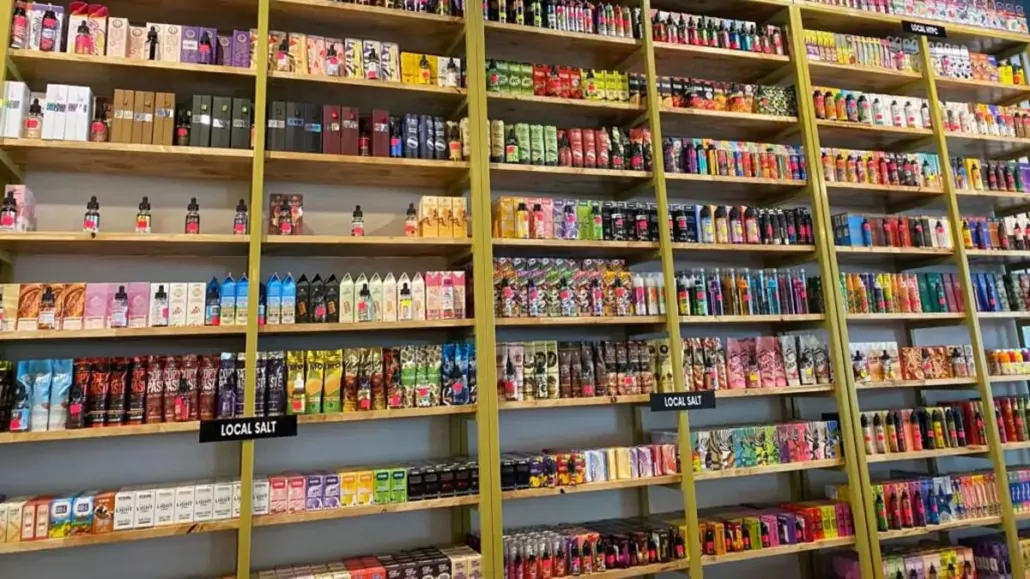
Public health advocates are urging the Malaysian government to accept a recent High Court ruling that effectively bans nicotine vapes, rather than launching an appeal. Instead of fighting to keep vapes legal for tax purposes, experts argue the state should drastically increase traditional cigarette excise duties to at least RM0.77 per stick.
The High Court recently struck down a 2023 Minister’s Order that exempted liquid and gel nicotine from the Poisons Act 1952. The judgment criticized the original exemption as procedurally flawed, irrational, and driven primarily by economic motives to create a new tax stream from vape products.
The government now stands at a crossroads: it can apply for a stay and endure a prolonged legal battle, or it can pivot to a simpler, legally cleaner strategy by raising traditional tobacco taxes. Advocates argue that amending the cigarette excise rate is the superior choice for several reasons:
- Administrative Simplicity: The collection mechanism for cigarette excise is already established and managed by Customs. Amending the rate avoids the need to re-gazette exemptions, consult the Poisons Board, or defend controversial policies in court.
- Superior Economics: The Galen Centre for Health and Social Policy estimates that a RM0.77 per stick tax (roughly 61% of the retail price) would generate an extra RM771.8 million annually. In contrast, vape excise has only brought in a modest RM209.5 million since 2023.
- Public Health Impact: Malaysia spends an estimated RM16 billion annually treating smoking-related illnesses. Currently, for every RM1 collected in tobacco taxes, RM4 is spent on healthcare. A tax hike would directly reduce consumption and save lives.
The current tax framework is widely viewed as outdated. Prior to Budget 2026, the RM0.40 per stick duty had been frozen for years. The recently proposed two-sen increase has been dismissed by critics as a token adjustment that fails to constitute serious tobacco control.
Furthermore, the controversial 2023 exemption led to widespread public distrust and fueled concerns about youth access to nicotine, especially with the emergence of illicit, drug-laced vapes containing etomidate. Even with the newly operational Control of Smoking Products for Public Health Act 2024 (Act 852), the legislation provides no direct remedy for the original liquid nicotine exemption.
While the tobacco industry frequently cites the risk of illicit cigarettes to oppose tax hikes, advocates argue this should be countered with stronger border control and anti-corruption measures, not by keeping tobacco artificially cheap.
Ultimately, the High Court decision offers the government a vital opportunity to reset its public health strategy. By abandoning the appeal, Malaysia can protect its youth from nicotine addiction, recover lost revenue through traditional tobacco taxes, and significantly reduce the national burden of smoking-related diseases.
- News reference: Don’t Appeal Nicotine Ruling, Raise Tobacco Tax Instead

- Mexico Passes Stricter Tobacco Law as Experts Warn of Cartel Trade - October 9, 2026
- FDA Tobacco Review Delays Threaten Public Health, GAO Report Reveals - October 9, 2026
- USA Northeast Vape Laws in 2026: State Taxes & Flavor Bans - October 9, 2026