
Sweden Becomes World’s First Smoke-Free Country as Smoking Rate Drops to 3.7%
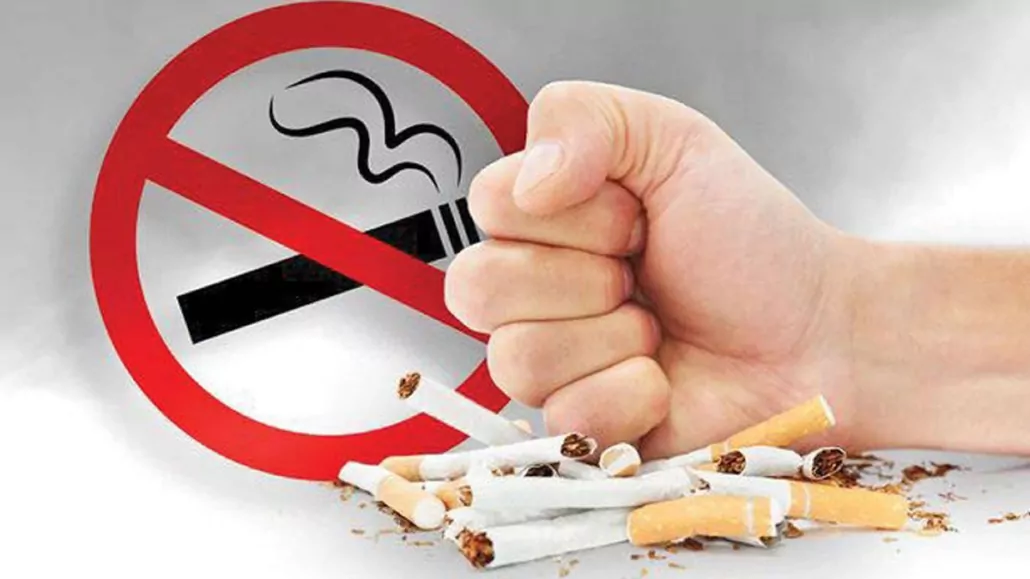
Sweden has officially achieved “smoke-free” status with a daily smoking rate of just 3.7%, a historic public health milestone driven by the widespread adoption of safer nicotine alternatives like snus and modern nicotine pouches.
- Historic Milestone: The Swedish Council for Information on Alcohol and Other Drugs (CAN) confirmed the 2025 rate is well below the 5% international “smoke-free” threshold.
- Harm Reduction Success: Transitioning from combustible cigarettes to snus has given Sweden the lowest lung cancer and tobacco-related death rates in the European Union.
- Policy Impact: A January 2025 policy that raised cigarette taxes by 10% while cutting snus taxes by 20% significantly accelerated the decline in smoking.
- Global Blueprint: Experts urge other nations to replicate this evidence-based model, noting similar harm-reduction successes with vapes in the UK and heated tobacco in Japan.
The Swedish Council for Information on Alcohol and Other Drugs (CAN) has confirmed that Sweden is officially the world’s first “smoke-free” nation. This historic milestone, achieved through a dramatic consumer shift toward safer nicotine alternatives, has driven the country’s daily smoking rate down to an unprecedented 3.7%.
Dr. Karl Fagerström, a clinical psychologist and creator of the Fagerström Test for nicotine dependence, praised the government’s evidence-based health policies. He noted that the transition from combustible tobacco to snus—an oral nicotine pouch—has saved countless lives from unnecessary suffering and death.
The public health benefits of this shift are stark. By avoiding the combustion and inhalation of toxic chemicals found in cigarette smoke, Sweden has maintained the lowest lung cancer rates in the European Union for years.
| Public Health Metric (2024/2025 Data) | Sweden vs. EU Average |
|---|---|
| Overall Cancer Incidence | 41% lower in Sweden |
| Tobacco-Related Deaths | 44% lower in Sweden |
| Smoking Prevalence Drop (Since 2012) | Sweden: 67% decrease | EU: 14.2% decrease |
The decline in smoking was further accelerated by strategic economic policies. In January 2025, the Swedish government implemented a targeted tax restructuring to incentivize harm reduction:
- Taxes on combustible cigarettes were increased by 10%.
- Taxes on safer snus products were reduced by 20%.
This large-scale migration away from cigarettes is particularly evident among younger demographics. Daily smoking in the 18-29 age group has plummeted to just 2.9%, while the use of snus and tobacco-free nicotine pouches in this cohort is ten times higher at 29%.
Suely Castro, founder of the advocacy group Quit Like Sweden, called the country’s progress a “gold standard” for global health. She criticized the broader European Union—where snus remains banned—for ignoring evidence-based harm reduction, pointing to recent anti-vaping policies in Ireland and Germany as steps in the wrong direction.
While some argue Sweden’s success relies on its unique cultural history with snus, experts insist the core principle is universal: smokers will switch when given access to acceptable, affordable, and lower-risk options.
This harm reduction model is already showing results globally. The UK has seen millions quit using vapes, Norway’s smoking rate has dropped to 7% via snus, New Zealand is approaching smoke-free status through vaping, and Japan has halved cigarette sales by embracing heated tobacco products.
“Nicotine is not a health product, but as with other cultural drugs, such as caffeine and alcohol, it’s difficult to ban or extinguish all use,” Fagerström explained. “Therefore, we have to reduce the risks as much as possible.”

- Guyana Bans Recreational Vaping Products - October 19, 2026
- PHILTHRA Urges Risk-Based Vape Taxes as Research Shows 90% Toxin Drop - October 19, 2026
- Eight EU Nations Demand Total Vape Flavor Ban and Market Freeze in TPD Overhaul - October 19, 2026
Related posts:
 FASTA Burrst 35K Flavor Changing Disposable Vape Review
 Singapore Targets Repeat Youth Vapers as Fines Surge to $10,000 on May 1
 Latvian Public Health Experts Raise Concerns Over Rising Smoking Rates
 ACS Releases Comprehensive Guide and Poster to Help Retailers Prepare for UK Disposable Vape Ban
 Tennessee House Committee Passes Bill Taxing Vapes, Banning Non-FDA-Approved Products
 Wisconsin Bill to Raise Nicotine Age to 21 Reintroduced

