West Virginia Vape Safety Act Takes Effect with Strict New Labeling and Licensing Rules

The West Virginia Alcohol Beverage Control Administration (WVABCA) has commenced enforcement of the Vape Safety Act (House Bill 5437). This legislative shift directly addresses the state’s surging youth e-cigarette epidemic by introducing immediate labeling mandates and establishing a strict regulatory timeline for smoke shops.
The crackdown comes as West Virginia’s youth vaping rates significantly exceed national averages. According to the West Virginia Department of Health, 27.5% of the state’s high school students report current e-cigarette use, compared to the 18% national average. Furthermore, 10.2% of these students vape daily, which is double the national average.
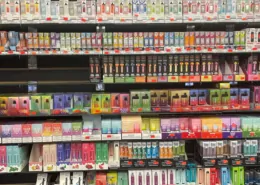
To curb this trend, the state is rolling out the Vape Safety Act in distinct phases to systematically eliminate youth-appealing products and unverified devices from store shelves.
| Effective Date | Regulatory Phase | Key Requirements & Restrictions |
|---|---|---|
| Immediate | Phase 1: Labeling Mandates | Vapes must display health warnings, legal purchasing age, ingredient lists, and manufacturer details. |
| July 1, 2026 | Licensing Deadline | Retailers must pay a $1,200 fee and obtain a WVABCA license. Unlicensed sales face up to a $10,000 fine and 1 year in jail. |
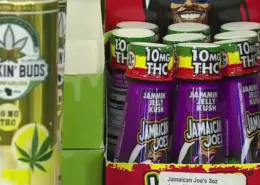
| March 1, 2027 | Phase 2: Packaging Ban | Prohibits packaging referencing candy, cartoons, food brands, or designs mimicking non-vape items (e.g., USB drives, highlighters). |
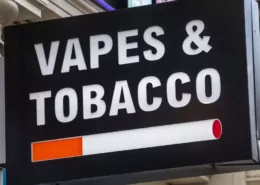
| July 1, 2027 | Phase 3: Signage & Promo Ban | Exterior signs limited to a single sign using Helvetica/Arial font (max 3-inch letters). Most promotional activities are banned. |
Health officials warn that many unregulated e-cigarettes contain heavy metals, ultrafine particles, and cancer-causing chemicals. Beyond public health concerns, tobacco-related illnesses claim roughly 4,200 lives annually in West Virginia, resulting in economic losses exceeding $1 billion each year.
The WVABCA is urging all vape and smoke shop operators to submit their licensing applications and pay the required $1,200 fee before the July 1 deadline to ensure compliance and avoid severe misdemeanor charges.

- Mexico Passes Stricter Tobacco Law as Experts Warn of Cartel Trade - October 9, 2026
- FDA Tobacco Review Delays Threaten Public Health, GAO Report Reveals - October 9, 2026
- USA Northeast Vape Laws in 2026: State Taxes & Flavor Bans - October 9, 2026