
Vaping & Different Types of Liabilities: What You Need to Know

Vaping touches health, business, and the law. When something goes wrong, people often ask who is responsible and what proof they need. This guide breaks down the main types of liability tied to vaping so you can spot issues early and make smarter choices.
Common Theories Of Liability
Here are the usual legal paths courts consider in vape injury and exposure cases.
- Product defect – design, manufacturing, or assembly errors that make a device unsafe
- Failure to warn – missing or unclear risk warnings or instructions
- Negligence – careless actions by a maker, distributor, retailer, or supervisor
- Premises liability – unsafe conditions at a store, lounge, or event where vaping is allowed
- Employer liability – exposure or device use tied to work duties or policies
- Warranty claims – promises about safety or performance that were untrue or unmet
When To Talk To A Lawyer
You do not need to wait until a case is perfect to get guidance. If you have medical bills, missed work, or property damage tied to a device or battery, lawyers at Tad Nelson & Associates or similar firms can help map the facts to the right legal theory. Bring a timeline, a list of witnesses, and any video or store camera footage so the first meeting is productive.
Early advice helps you protect key evidence. A lawyer can send hold letters so stores or venues keep camera files and sales records. That step can make the difference between a guess and a clear proof trail.
Timing also matters. Many states give you 1 to 2 years to file, and some give less for claims against public entities. Quick action keeps options open and avoids a last-minute rush.
Product Defects And Battery Fires
Lithium-ion cells can fail if they are low quality, damaged, or paired with the wrong charger. A defective mod or loose 18650 cell can short, overheat, and cause burns or property damage. In defect cases, details about the design, the batch, and any prior incidents can be crucial.
Manufacturing defects are about one bad unit in a good design. Design defects focus on choices that make all units risky, like poor venting or thin insulation. Lawyers compare safer alternatives and cost to show a reasonable fix was skipped.
Warning defects involve what the maker said or did not say. Clear instructions about charging, storage, and replacement parts reduce misuse. When warnings are vague or hidden, a jury may find the risk was not fairly shared.
Marketing, Warnings, And Youth Access
Warnings matter because vaping risk changes with age, nicotine level, and device use. Labels should be easy to read, with clear steps on safe charging and storage. Retailers should reinforce safe use when customers ask about coils, batteries, or chargers.
Youth access drives many rules on flavors, packaging, and ads. A national health report in 2024 noted that 2.25 million middle and high school students used tobacco products, which courts may view as proof that youth marketing is a foreseeable risk. That context supports strict ID checks and honest point-of-sale advice.
School and venue policies also play a role. If a lounge or event allows vaping, staff should monitor hotspots like charging stations. When a known hazard is ignored, premises liability can come into play.
Authorizations And Compliance
Vapes sit under a federal system that reviews certain products before sale. Makers seek premarket permission and must show that a device or flavor will benefit public health. Compliance files and inspection notes often appear in civil discovery.
Only a narrow slice of products has cleared that bar. The federal tobacco agency has said it has authorized 39 tobacco or menthol-flavored e-cigarette products and devices, which shows how small the legal shelf is. If a retailer sells outside that lane, those records may support negligence per se or similar theories.
Enforcement actions can bolster a claim. Warning letters, fines, or seizures can show notice of risk. When a seller keeps stocking flagged items, a plaintiff may argue that harm was not only foreseeable but avoidable.
Causation, Damages, And Timelines
The core questions are simple – did the product or conduct cause the harm, and what are the losses? Medical notes, device photos, and receipt data tie the chain together. Expert input can link battery failure to heat damage or chemical burns.
Damages cover more than hospital bills. Claims may include lost wages, pain and suffering, and property loss like burned bags or phones. Photos and repair invoices help put real numbers next to each item.
Deadlines vary by state, so tracking dates is vital. Note the purchase date, the injury date, and any contacts with the seller or maker. Keep the device, the battery, the charger, the packaging, and all messages about returns or safety.
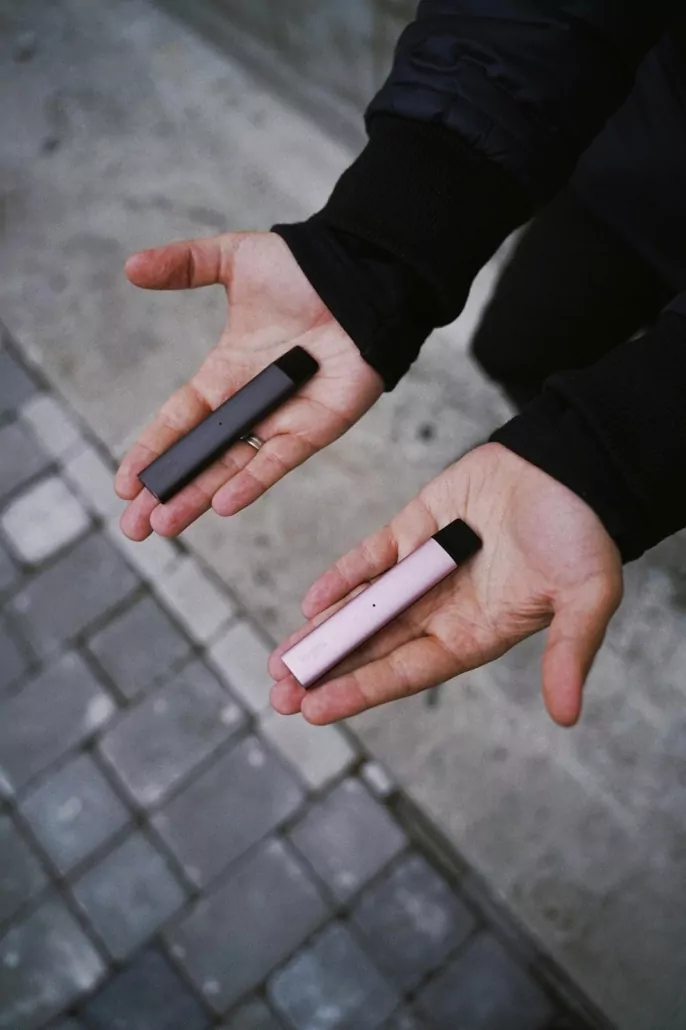
Lawsuits are never one size fits all. Focus on safety, documentation, and quick action if something goes wrong. With the right evidence and advice, you can sort out responsibility and seek fair compensation without guesswork.

- Recycling Point, Bin, or Kitchen Drawer? What UK Vapers Actually Do With a Dead Device - September 30, 2026
- How Cannabis Operators Should Qualify a Vape Hardware Supplier - September 30, 2026
- From Distillate to Finished Pod: The Quality-Control Steps Behind a Premium CBD Vape - September 30, 2026
Related posts:
 Hemp Compliance Cliff 2026: Total THC Caps & Intoxicating Hemp Ban
 15 Reasons Why Swith to Vaping
 The Legal Age for Vaping – How Old Do You Have to Be to Vape?
 How Much Can You Save by Switching from Smoking to Vaping
 Vape Ban Russia: State Duma to Propose Bill in May
 CBD vs. THC: Key Differences & Effects Explained

