
Big Tobacco Stalls South Africa Laws; Critics Slam WHO Secrecy
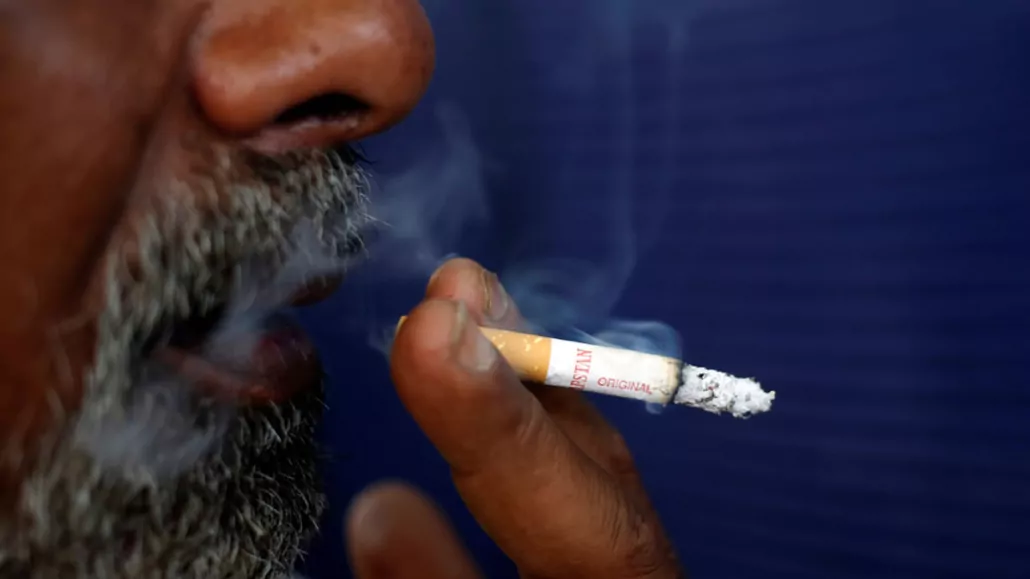
South Africa, once a global darling of public health for its decisive anti-tobacco actions in the 1990s, now finds itself in a state of stagnation. While early bans on advertising successfully cut smoking rates from 32% to 24% within a decade, adult smoking prevalence has since plateaued at around 20%.
A new draft Tobacco Products and Electronic Delivery Systems Control Bill, published in 2018 to regain momentum, has languished for years. New research suggests the primary culprit for this delay is a sophisticated interference campaign by the tobacco industry.
The 2025 Global Tobacco Industry Interference Index ranks South Africa 56th out of 100 countries, indicating a significant level of industry meddling. Despite ratifying the WHO Framework Convention on Tobacco Control (FCTC), which mandates protecting policy from commercial interests, South Africa has seen a pattern of industry tactics designed to “derail, dilute, and delay” legislation.
These tactics include funding campaigns that exaggerate economic losses, using “foreign template” narratives to stir local resistance, and flooding officials with overwhelming documentation to slow down review processes. The industry has also reportedly built alliances with farmers and small retailers to front their opposition, framing public health measures as “nanny state” overreach.
Meanwhile, a “vaping crisis” looms, with a 2024 study revealing that 37% of high school learners in urban areas have tried vaping. The stalled Bill aims to regulate these products alongside traditional tobacco, introducing smoke-free public spaces, plain packaging, and display bans. However, the industry’s influence, extending to informal meetings with non-health government agencies and paid media narratives, continues to hamper progress.
Experts urge South Africa to improve transparency by logging all meetings with industry representatives and strengthening enforcement against illicit trade, similar to successful track-and-trace systems in Kenya.
Global Trust at Risk: Closed Doors at COP11
This struggle for transparent, evidence-based policy is mirrored on the global stage. As the 11th Conference of the Parties (COP11) to the WHO FCTC convenes in Geneva, critics are raising alarms over the exclusion of key stakeholders from the conversation. Most sessions are closed to independent scientists, journalists, and Tobacco Harm Reduction (THR) advocates, leading to accusations that the proceedings are prioritizing ideology over science.
Groups like the Taxpayers Alliance have organized parallel events, such as “Good COP 2.0,” to give a platform to those shut out of the main conference. Maria Papaioannoy, a smoke-free advocate, criticized the “closed-door decision making” and lack of engagement with people who have lived experience with safer nicotine products. With over 100 million e-cigarette users worldwide, critics argue that ignoring this constituency erodes public trust.
Liza Katsiashvili of the World Vapers Alliance contends that the WHO is actively discrediting evidence supporting smoke-free products. “That is not scientific evidence; that is ideology,” she stated, warning that silencing consumers fosters distrust.
The concern is that by focusing on prohibition rather than harm reduction, the FCTC risks leaving behind millions of smokers who cannot quit via traditional methods. As Gabriel Oke, a global health researcher, noted, people are increasingly turning to alternative digital media for information, challenging the WHO’s dominance in health messaging.
Both in South Africa and globally, the tension between public health goals and industry influence—whether through direct interference or the exclusion of harm reduction perspectives—remains a critical barrier to effective tobacco control.
- Reference: How Big Tobacco stalls SA’s smoking and vaping law
- Africa: Closed Doors at COP FCTC – Public Trust at Risk

- Mexico Passes Stricter Tobacco Law as Experts Warn of Cartel Trade - October 9, 2026
- FDA Tobacco Review Delays Threaten Public Health, GAO Report Reveals - October 9, 2026
- USA Northeast Vape Laws in 2026: State Taxes & Flavor Bans - October 9, 2026
Related posts:
 South Korea Urges Taxation of Synthetic Nicotine E-Cigarettes
 Postponement of the Flavor Ban on E-Cigarettes in the Netherlands
 Gallup Poll Reveals U.S. Cigarette Smoking Rate Historic Low
 Texas Implements Ban on THC Vape Pen Sales on Sept 1st
 FDA Blocks the Marketing of 6,500 Flavored Vape Products

