White House and RFK Jr. Push FDA to Allow Vape Flavors

The Trump administration and HHS Secretary Robert F. Kennedy Jr. are actively pushing the Food and Drug Administration (FDA) to reverse its prohibitionist stance and allow more flavored vaping products on the market to aid smoking cessation.
- Internal Conflict: The White House’s push to authorize more vape flavors faces direct opposition from FDA Commissioner Marty Makary.
- Scientific Backing: Advocates cite extensive research showing vapes are 95% less harmful than combustible cigarettes and highly effective for quitting.
- Regulatory Whiplash: The FDA is facing intense criticism for previously denying over a million product applications through erratic policy shifts.
The Trump administration and Department of Health and Human Services (HHS) Secretary Robert F. Kennedy Jr. are actively pressuring the Food and Drug Administration (FDA) to expand legal access to flavored vapes. This high-level intervention aims to reverse years of strict prohibitionist policies, directly challenging FDA Commissioner Marty Makary, who reportedly opposes the move and is attempting to block the plan.
According to recent reports, the White House is pushing to allow more vape flavors on the market for the first time in years. In recent testimony, RFK Jr. also signaled an openness to expanding legal access to these reduced-risk alternatives, a move advocates argue could save countless lives by helping millions of Americans transition away from combustible cigarettes.
Proponents of the reform point to a massive body of international evidence supporting vaping as a critical harm-reduction tool:
- Significantly Lower Risk: Since 2015, Public Health England has maintained that vaping products are at least 95% less harmful than traditional cigarettes.
- Higher Quit Rates: A sweeping review of 90 studies (including 49 high-quality randomized control trials) concluded that e-cigarette availability results in higher quit rates compared to traditional nicotine replacement therapy (NRT).
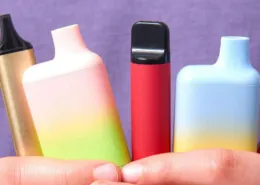
- The Role of Flavors: Data indicates that flavored vapes are especially effective in weaning smokers off cigarettes, whereas flavor bans consistently lead to increased combustible tobacco use.
Despite this evidence, the FDA has historically maintained a strict prohibitionist approach. The agency previously instructed manufacturers to submit airtight youth-prevention marketing plans as a “critical” component for product approval. However, after receiving over a million applications, the FDA abruptly ignored these plans, denying virtually all applications by claiming statistical evidence on switching was the actual requirement.
- Read more: List of FDA Authorized E-Cigarette Vapes
While this “arbitrary and capricious” behavior was challenged in the FDA v. Triton Distribution case, the Supreme Court ultimately sided with the agency. Critics argue this court-ordained regulatory whiplash causes immense real-world harm.
By blocking regulated, flavored vapes, the government does not eliminate demand among the 15 million Americans trying to quit smoking. Instead, it forces consumers toward unregulated, illicit markets with nonexistent quality controls, or worse, leaves them reliant on combustible cigarettes—products responsible for nearly 500,000 U.S. deaths annually.
Advocates are now urging policymakers to abandon failed prohibitionist instincts. They argue that expanding access to reduced-risk products like vapes, nicotine pouches, and heat-not-burn devices is a necessary commitment to public health grounded in evidence and common sense.

- Indonesia: Denpasar Updates Smoke-Free Bylaw to Tighten Vape Rules - October 20, 2026
- Teen Girls Surpass Boys in Vaping Rates, Reversing Historic Trends - October 20, 2026
- Alabama: Irondale Proposes Public Vaping Ban with Fines Reaching $200 - October 20, 2026