
Global Vape Laws 2026: UK vs Thailand & Australia & USA

The global regulatory landscape for electronic cigarettes in 2026 is a fragmented mosaic of Harm Reduction strategies and strict Precautionary Principle bans. While the United Kingdom subsidizes vaping through its “Swap to Stop” program to reach a 5% smoking rate by 2030, countries like Thailand and Mexico enforce customs bans with penalties including $12,500 fines and 8-year prison terms. This divergence reflects a fundamental geopolitical disagreement on whether e-cigarettes are a public health tool or a generational threat.
The UK vs. Australia: State-Sponsored Switching vs. The Prescription Failure
The United Kingdom has solidified its position as the global leader in evidence-based vaping policy. Following Public Health England reports, the government launched the “Swap to Stop” initiative, distributing one million free starter kits to smokers. By integrating vaping into the NHS framework—even allowing hospital-based vape shops—the UK treats nicotine delivery as a strategic alternative to combustible tobacco, despite maintaining TPD2 standards like the 2ml tank limit and 20mg/ml nicotine cap.
In stark contrast, Australia attempted a “Prescription-Only” model that largely backfired. By restricting nicotine vapes to pharmacies, the government inadvertently fueled a massive black market for unregulated Chinese disposables. In 2024, Australia pivoted to even harsher measures, banning all personal imports and enforcing pharmaceutical-style plain packaging. This medicalized “corset” remains a globally watched experiment in whether a recreational habit can be successfully forced back into a clinical setting.
Thailand and Mexico: The Tourist Customs Trap
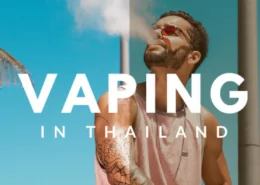
For international travelers, Thailand remains one of the most dangerous destinations for vapers. Since 2014, the kingdom has maintained a zero-tolerance policy, officially to protect youth but often suspected of shielding the state tobacco monopoly. While local police may occasionally show leniency to tourists, the theoretical risk of 10 years in prison remains a reality for those caught importing devices. Similarly, Mexico recently escalated enforcement at cruise ports and airports, treating personal vapes as prohibited imports subject to immediate detention.
Switzerland and the USA: Regulated Normalcy vs. Bureaucratic Gridlock
Switzerland has transitioned from a liberal “vape island” to a structured market under the new Tobacco Products Act (TabPG). The law harmonizes Swiss standards with the EU, introducing a nicotine-based tax and a total ban on billboard advertising and festival sponsorships. Retailers have had to overhaul their inventories to ensure full fiscal traceability, reflecting a pragmatic balance between adult freedom and youth protection.
Meanwhile, the United States remains mired in the FDA’s PMTA (Premarket Tobacco Product Application) process. The administrative barrier is so high—requiring multi-million dollar scientific studies—that only Big Tobacco entities typically receive authorization. This has created a “gray market” where flavored products are technically illegal yet widely available due to enforcement resource gaps, leading to a constant legal cat-and-mouse game over synthetic nicotine and flavor bans in states like California.
As regulatory scrutiny expands across health-related industries, companies facing FDA requirements, product approval challenges, and cross-border compliance obligations often rely on healthcare and life sciences legal experts to help manage risk and support commercialization efforts.
| Country / Region | Primary Policy Framework | Key Regulatory Mechanism | Maximum Penalty / Constraint |
|---|---|---|---|
| United Kingdom | Harm Reduction (Pro-Vape) | “Swap to Stop” (1M free kits) | 20mg/ml Nicotine Cap (TPD2) |
| Australia | Medical / Prescription Only | Pharmacy-only sales; Import ban | Total seizure of personal imports |
| Thailand | Total Prohibition | Import/Sale/Possession Ban | Up to 10 years imprisonment |
| Switzerland | Regulated Normalcy | TabPG; Volume/Nicotine Taxes | Strict youth advertising bans |
| USA (FDA) | Pre-market Authorization | PMTA Process; Flavor Bans | Multi-million dollar filing fees |
| Mexico | Customs Enforcement | Prohibited Import Status | $12,500 fine / 8 years jail |
Economic Trade-offs and Industry Skepticism
The extreme divergence in laws creates significant economic trade-offs for the global industry. Manufacturers must produce region-specific hardware to meet 2ml tank limits in Europe while navigating PMTA hurdles in the US. Critics of strict prohibition, particularly in Thailand and Mexico, argue that these bans do not eliminate consumption but rather hand the market to organized crime, removing all quality control and age verification. As the WHO continues to push for restrictive measures in emerging markets, the tension between state revenue (tobacco monopolies) and public health (vaping alternatives) remains the primary driver of legislative volatility.

- Indonesia: Denpasar Updates Smoke-Free Bylaw to Tighten Vape Rules - October 20, 2026
- Teen Girls Surpass Boys in Vaping Rates, Reversing Historic Trends - October 20, 2026
- Alabama: Irondale Proposes Public Vaping Ban with Fines Reaching $200 - October 20, 2026
Related posts:
 Best Top 10 Disposable Vape Manufacturers in China You Need to Know
 Thailand May Legalize E-Cigarettes after May
 French Polynesia Bans Disposable Vapes and Restricts Flavors Under New Rules
 German Teen Vaping Doubles: Calls Grow for Sweet Flavor Bans
 Hayati Pro Max+ Plus 6000 Review: Best Big Puff Vape 2026?
 Slovakia Proposes Ban on Flavored and Disposable Vapes by 2026

