
Global Vape Crackdown: UK Joins US and Australia in Tightening Rules
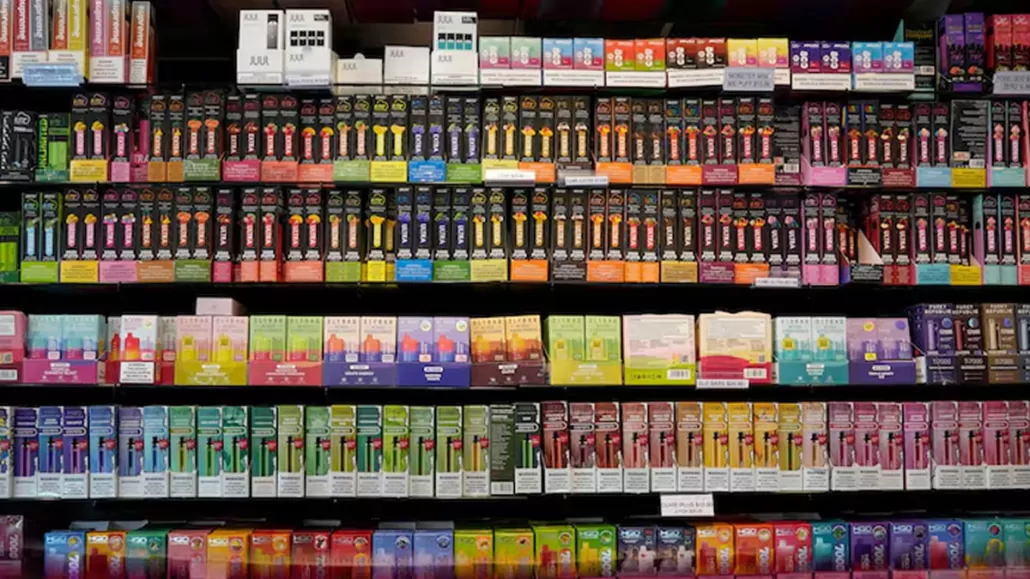
The United Kingdom is aligning its public health policies with the United States, New Zealand, Australia, and several other nations as a coordinated global crackdown on vaping accelerates. This regulatory shift is poised to alter the availability of smoking alternatives and reshape public health strategies worldwide. By introducing bans, taxes, packaging mandates, and retail limits, governments are fundamentally changing how nicotine products are sold and perceived.
While policymakers argue these interventions are vital to protect youth from nicotine dependency, critics warn that overly restrictive measures could deter adult smokers from transitioning to lower-risk alternatives. As nations implement these reforms, the future of global tobacco harm reduction enters a highly contested phase.
The UK Tightens Rules on Packaging, Displays, and Disposables
The United Kingdom has adopted a dual-track strategy: implementing strict youth prevention measures while preserving reusable e-cigarettes as a cessation tool for adult smokers. On June 1, 2025, the UK enacted a nationwide ban on disposable vapes to address both youth uptake and environmental litter.
Under powers granted by the Tobacco and Vapes Act, UK ministers are finalizing additional measures, including:
- Plain Packaging: Standardizing product exteriors to eliminate bright colors and branding that appeal to minors.
- Flavour Descriptor Limits: Restricting youth-appealing names and marketing terms.
- Retail Display Bans: Removing vaping products from open view in retail environments, similar to traditional tobacco storage rules.
Additionally, a forthcoming vape tax is planned to discourage youth purchasing through price increases, though the final structure must maintain a cost distinction between vaping and smoking to preserve cessation incentives.
International Approaches: From Pharmacy Access to Total Bans
As the UK advances its domestic legislation, other developed economies are enforcing distinct regulatory frameworks to control nicotine distribution.
Australia’s Pharmacy-Only Model
Australia has established one of the most restrictive frameworks in the world by transitioning vaping products into a pharmacy-only supply system. Under this model, e-cigarettes are treated strictly as therapeutic smoking cessation aids rather than consumer lifestyle products. Adults must access these devices through medical channels, virtually eliminating open retail sales.
New Zealand’s Youth Protection Measures
New Zealand continues to support vaping as an adult smoking alternative but has introduced stricter product standards, disposable vape bans, and proximity limits to prevent retail shops from operating near schools.
European Bans on Disposables
Belgium and France have prohibited disposable vapes, targeting single-use devices due to their low cost, colorful branding, and high appeal to teenagers. Both nations also cite the heavy environmental toll of discarded lithium batteries and plastic casings as primary drivers for the bans.
United States Federal and State Controls
In the US, regulation occurs at both federal and state levels. While the Food and Drug Administration (FDA) oversees product authorizations nationally, individual states are enacting localized restrictions. For example, Hawaii passed legislation removing unauthorized vapes from the market and banning non-FDA-approved disposables, while other states enforce outright flavor bans and strict retail licensing.
| Country / Region | Primary Regulatory Mechanism | Key Policy Details |
|---|---|---|
| United Kingdom | Tobacco and Vapes Act | Disposable ban (June 2025), upcoming plain packaging, display bans, and vape tax. |
| Australia | Prescription / Pharmacy System | Vapes sold strictly as therapeutic aids through pharmacies; consumer retail banned. |
| Belgium & France | Disposable Product Bans | Complete ban on single-use “puffs” to curb youth appeal and environmental waste. |
| United States | FDA & State-Level Laws | Federal pre-market review combined with state-level flavor bans and retail enforcement. |
| India & Singapore | Total Prohibition | Complete ban on import, sale, advertising, and possession (Singapore) of all vapes. |
Complete Prohibitions in Asia and the Middle East
While Western nations generally opt for regulated retail markets, several jurisdictions in Asia and the Middle East enforce zero-tolerance policies on electronic nicotine delivery systems.
India maintains a comprehensive nationwide ban on the production, import, sale, distribution, and advertisement of e-cigarettes. Indian authorities argue that total prohibition is the only viable method to prevent youth nicotine addiction and avoid a secondary public health crisis alongside traditional smoking.
Singapore enforces a strict ban where the import, sale, and physical possession of vaping products are illegal, carrying heavy financial penalties and potential jail time for offenders. Similarly, countries such as Thailand, Qatar, Brunei, Oman, Cambodia, Hong Kong, and Taiwan enforce strict prohibitions. Travelers entering these regions face product confiscation, fines, or criminal prosecution for carrying personal vaping devices.
The Harm Reduction Debate: Public Health vs. Unintended Consequences
The rapid expansion of these regulations has intensified the debate over tobacco harm reduction, exposing a division between policymakers and economic analysts.
Misconceptions of Relative Risk
Critics, including Christopher Snowdon, Head of Lifestyle Economics at the Institute of Economic Affairs (IEA), argue that treating vaping identically to combustible tobacco sends a misleading message to the public. Snowdon points out that public misconceptions are growing, with many smokers incorrectly believing that vaping is as hazardous as smoking traditional cigarettes.
When policies conflate the two products through identical visual restrictions—such as plain packaging and display bans—it reinforces these misconceptions. This confusion can deter current smokers from switching to vapes or drive existing vapers back to combustible tobacco, which public health bodies agree contains far higher levels of toxic chemicals.
The Economics of Vape Taxation
The introduction of specialized vape taxes presents another policy challenge. While supporters argue that higher prices deter youth experimentation, economists warn that narrowing the price gap between vapes and cigarettes removes a financial incentive for low-income smokers to switch. To remain effective, tax structures must ensure that lower-risk alternatives remain priced below combustible tobacco.—
The Future of Global Vaping Regulation
The global shift toward tighter vape regulation represents a transition from an open consumer market to a highly controlled environment. Over the coming years, public health researchers will monitor whether these restrictive laws successfully lower youth nicotine uptake without causing a rise in traditional smoking rates.
As the UK Department of Health and Social Care moves forward with its legislative agenda, the results will serve as a case study for other nations. The balance between protecting youth and supporting adult smokers remains the central challenge for public health authorities worldwide.

- South Australia Unveils Nation’s Toughest Illicit Tobacco Laws with $21M Fines - October 22, 2026
- German Tobacco Tax Drafting Error Creates Legal Loophole for E-Cigarettes - October 22, 2026
- Australian Daily Smoking Rises for First Time Since 1993, Wesfarmers Data Shows - October 22, 2026